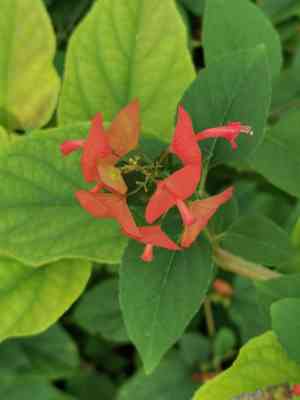
Chinese hat plant (Holmskioldia sanguinea)
Also known as: Cup-and-saucer-plant
Holmskioldia sanguinea, commonly known as the Chinese hat plant, is native to the Himalayan region. It is widely grown as an ornamental plant in various regions, including South Asia, Mexico, and Hawaii.
In This Article
Attributes of Chinese hat plant
Lifespan
Perennial
Plant Type
Vine, Shrub
Plant Height
1.2 m to 2.5 m
Spread
1.2 m to 1.5 m
Leaf Color
Green
Flower Size
2.5 cm
Flower Color
Yellow Red Orange
Images of Chinese hat plant
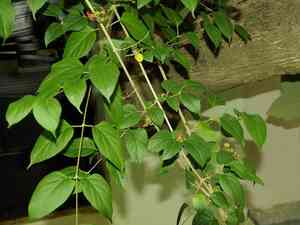
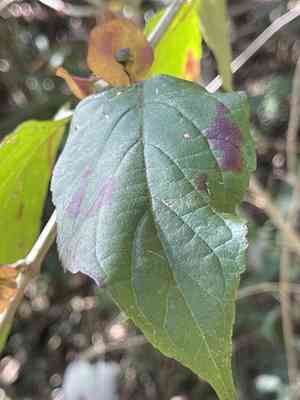
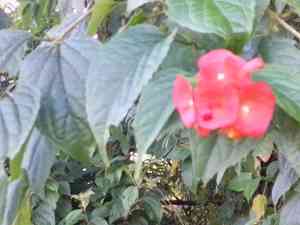
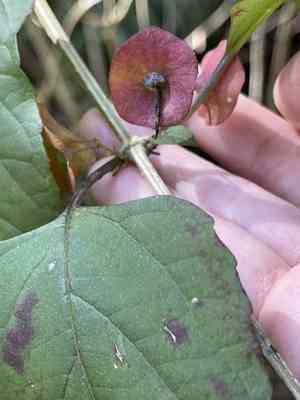
Quickly Identify Chinese hat plant
1
Recognizable by its distinctive red, orange, or yellow cup-shaped flowers and its irregularly shaped leaves. The flowers appear in clusters and have a lip that gives them the \'hat\' appearance.
Scientific Classification of Chinese hat plant
Phylum
Vascular plants
Class
Dicotyledons
Order
Lamiales
Family
Mint
Genus
Holmskioldia
Species
Chinese hat plant
Planting and Growing of Chinese hat plant
Care Difficulty
Easy
Watering Schedule
Every 3 days
Sunlight Requirements
Full sun
Sunshine Duration
6-10 hours
Ideal Temperature
60-75℉
Soil Type
Potting Mix, Peat Mix
Soil pH
6.5-7.5
Fertilizer Type
Balanced
Pruning Season
Spring, Summer
Pruning Area
Branches, Leaves
Pruning Frequency
2 times a year
Repotting Season
Spring
Pot Type
Plastic, Ceramic
 How to Water Chinese hat plant?
Holmskioldia sanguinea, commonly known as the Chinese hat plant, requires a balance of moisture to thrive. Ideally, you should water it thoroughly until water begins to drain from the bottom of the pot. This ensures that the water has reached the root zone adequately, which is crucial for promoting healthy growth. Adjust your watering according to the seasonal climate and the plant's growth stage.
What are the symptoms of an underwatered Chinese hat plant?
›
What should I do if my Chinese hat plant is not getting enough water?
›
What are the symptoms of an overwatered Chinese hat plant?
›
How to save an overwatered Chinese hat plant?
›
 What Are the Sunlight Requirements for Chinese hat plant?
Holmskioldia sanguinea prefers a light range from partial to full sun, with optimal benefits from around 4 to 6 hours of daily sunlight. Ideal light exposure promotes strong growth, abundant flowering, and prevents disease susceptibility.
More About Sunlight Requirements Techniques→
How much light does Holmskioldia sanguinea ideally need?
›
Solutions to achieve ideal light conditions for Holmskioldia sanguinea
›
Benefits of providing ideal light conditions
›
 What Is the Ideal Temperature Range for Chinese hat plant?
The ideal temperature range for growing Holmskioldia sanguinea is between 60°F and 75°F. This range provides a warm environment that mimics the plant's natural habitat, facilitating optimal growth and flowering.
 What Soil is Best for Chinese hat plant?
Holmskioldia sanguinea thrives in well-drained soil, which prevents waterlogging and root rot. This type of soil ensures that the plant's roots are appropriately aerated, which is crucial for promoting healthy growth and vibrant blooms. This plant benefits from a nutrient-rich soil that provides essential minerals and nutrients like nitrogen, phosphorus, and potassium. Such nutrients are key for optimal growth, leading to lush foliage and mind-blowing flower displays. A soil that retains moisture moderately ensures that the plant remains hydrated without drowning the roots. This balance helps maintain plant vigor and is essential during dry periods when moisture levels can drop.
 How to Fertilize Chinese hat plant?
For Holmskioldia sanguinea, applying approximately 1 tablespoon of granular fertilizer per square foot, or diluting liquid fertilizer to half strength, is generally sufficient to meet its nutrient needs.
 How to Prune Chinese hat plant?
Start by removing any dead or diseased branches at their base to promote overall plant health. Trim back longer stems to create a balanced shape, and encourage bushier growth that allows for better flowering. Conduct regular maintenance pruning as flowering slows, focusing on removing spent flowers and any errant shoots that disrupt the plant's form. This step not only enhances visual appeal but sustains vigorous blooming cycles. Make angled cuts just above leaf nodes to encourage new growth and avoid dieback. If pruning to the main branches, leave a small stub to ensure cutting doesn't damage the main stem.
More About Pruning Techniques→
 How to Propagate Chinese hat plant plant?
1
After the flowering period, collect seeds from mature Holmskioldia sanguinea plants. Ensure the seeds are fully dry before storage or planting, as moisture can cause them to rot.
2
Select healthy, disease-free stems from a mature plant. Cut a 4-6 inch segment below a node, removing any leaves from the lower half of the cutting to minimize water loss and encourage root growth.
3
Plant seeds or cuttings in well-draining soil. Water them thoroughly but ensure the soil is not soggy. Maintain moisture levels by covering cuttings with a plastic dome or placing seed trays in a mini greenhouse.
 How to Repot Chinese hat plant plant?
1
Holmskioldia sanguinea should be repotted when its roots start circling the pot, indicating that it has become root-bound. Other signals include reduced growth, water retention issues, and roots showing through the drainage holes. It's best to catch these signs early in spring or summer.
2
Opt for a pot that is one size larger than the current one, ideally with drainage holes to prevent waterlogging. A larger pot allows room for root expansion, supports plant growth, and ultimately promotes healthier blooms. Terracotta pots are a good choice for their breathability.
3
A well-draining, loamy mix is crucial for repotting Holmskioldia sanguinea. Such a mix can prevent root rot while providing the necessary nutrients. The ideal soil maintains slight moisture but allows excess water to escape, supporting both root health and overall vitality.
Learn More About Chinese hat plant Diseases
Anthracnose
Bacterial Leaf Spot
Bacterial Soft Rot
Bacterial Wilt
Black Spot
Chemical Injury
Crown Gall
Damping-off
Downy Mildew
Drought Stress
Fusarium Wilt
Gray Mold
Leaf Curl
Leaf Spot
Mosaic
Nutrient Deficiency
Nutrient Toxicity
Powdery Mildew
Root Rot
Root-knot Nematode
Rusts
Sooty Mold
Spider Mites
Temperature Stress
Thrips Damage
White Mold



