How to Prune Chinese hat plant?
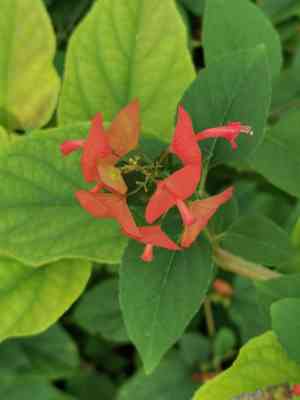
Celebrated for its vivid, cap-shaped blossoms, chinese hat plant offers a striking presence in any landscape. To achieve peak development, trim chinese hat plant in the latter part of winter or early spring prior to the emergence of fresh shoots. Shorten elongated branches, eliminate deceased or compromised wood, and sculpt to foster a denser habit. Consistent trimming aids chinese hat plant by stimulating abundant flowering, guaranteeing plant robustness, and preserving its preferred dimensions and structure. Ensure tools are disinfected to avert the transmission of pathogens.
Advantages of Trimming Chinese Hat Plant
Advantages of Trimming Chinese Hat Plant
Trimming chinese hat plant promotes fresh development and maintains its intended form. Strategic cuts can revitalize chinese hat plant for more vigorous growth and help create an attractive structure.
Optimal Period for Trimming Chinese Hat Plant
Optimal Period for Trimming Chinese Hat Plant
Late winter and early spring are considered the best times for pruning chinese hat plant due to several reasons aligned with the plant's natural growth cycle. During late winter, the plant is typically in a dormant state, which minimizes stress and the risk of disease transmission that can occur through pruning cuts. Pruning during this time prepares chinese hat plant for a vigorous burst of growth in the spring. Early spring pruning, before the onset of new growth, allows gardeners to shape the plant and remove any frost damage from the winter. Additionally, it encourages a more controlled and prolific blooming period since chinese hat plant flowers on new growth. By removing old or dead wood, the plant can direct more energy towards producing healthy new shoots and a greater abundance of flowers. It's important to avoid pruning chinese hat plant after new growth begins, as this can result in unintentional removal of emerging flower buds, reducing the seasonal display.
Tools Required for Pruning Chinese Hat Plant
Hand Pruners
Perfect for severing stems and branches up to 3/4 inch in diameter. They offer precise control when shaping chinese hat plant.
Loppers
Suitable for thicker branches up to 2 inches, providing the leverage needed for clean cuts without harming chinese hat plant.
Pruning Saw
Essential for branches exceeding 2 inches that hand pruners and loppers cannot manage, allowing removal of larger growth without stressing chinese hat plant.
Garden Shears
Useful for trimming and shaping the softer, bushier parts of chinese hat plant, ensuring a tidy appearance and fostering healthier growth.
Pruning Gloves
Protect hands from scratches and ensure a safe pruning experience while handling chinese hat plant.
How to Prune Chinese Hat Plant
Sanitize Tools
Before beginning, sanitize your pruning tools with a solution of 1 part bleach to 9 parts water to prevent disease spread to or from chinese hat plant.
Inspect
Examine chinese hat plant closely to identify any diseased or withered leaves. Look for any signs of discoloration, spots, or decay that indicate poor health.
Remove Diseased Leaves
Carefully prune away diseased leaves by cutting them at the base of the stem. Ensure cuts are clean and avoid tearing to minimize stress on chinese hat plant.
Remove Withered Leaves
Similarly, cut off withered leaves at the base of their stems. Removing these parts helps divert chinese hat plant's energy towards healthier growth.
Clean Up
Collect and dispose of all the removed parts to reduce the chance of disease spread. Clean the work area and tools after finishing the pruning process.
Common Pruning Errors with Chinese Hat Plant
Excessive Pruning
Removing too much foliage from chinese hat plant at once can stress the plant, potentially leading to fewer blooms and a weakened state. Itâs important to prune no more than one-third of the growth to prevent shock.
Incorrect Tool Use
Using dull or dirty pruning tools can harm chinese hat plant, leading to jagged cuts that are susceptible to pests and diseases. Always use clean, sharp tools for clean cuts.
Neglecting Deadheading
Failing to remove spent flowers from chinese hat plant can prevent the plant from producing new blooms as resources are misdirected into seed production.
Ignoring Plant Shape
Randomly cutting branches without considering the natural shape of chinese hat plant can result in an undesirable and unbalanced appearance, and may also hinder growth.
Pruning Without A Plan
Pruning chinese hat plant without understanding its growth pattern may lead to cutting too much or in the wrong places, affecting flowering potential and overall plant health.
General Pruning Advice for Chinese Hat Plant
Selective Thinning
Thin out crowded branches on chinese hat plant to increase air and light penetration, which encourages healthy growth and reduces the risk of disease.
Deadheading
Regularly remove spent blooms from chinese hat plant to promote continuous flowering and prevent the plant from expending energy on seed production.
Shape Maintenance
Prune chinese hat plant to maintain its desired shape and size, considering its natural growth habit for the most aesthetically pleasing result.
Branch Cutting Technique
When pruning chinese hat plant, make cuts just above leaf nodes at a 45-degree angle to encourage new growth in the desired direction.
Rejuvenation
If chinese hat plant is overgrown, perform rejuvenation pruning by cutting old and weak stems down to the base to stimulate new, vigorous growth.



