Enhancing Your Garden Design with the Chinese hat plant Plant: A Landscaping Guide
1
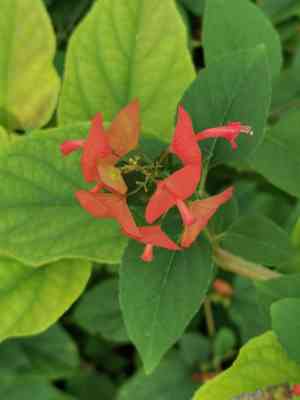
The Chinese hat plant features a distinct form, bringing unique outlines to any landscape.
2
It flourishes in soil that drains well, with exposure to partial or full sunlight.
3
Consistent trimming and pest control are crucial for keeping the Chinese hat plant in optimal health.
Appreciating the Aesthetic Charm of Chinese hat plant
Unique Form and Its Contribution to Garden Aesthetics
The Chinese hat plant is celebrated for its distinct form, resembling a traditional Chinese hat, which lends it a whimsical and exotic allure. This singular shape not only captivates observers but also introduces a dynamic element to garden layouts. The plant's unusual structure breaks the monotony of conventional garden designs, making it an ideal selection for gardeners aiming to create a visually impactful landscape. Whether you desire a formal garden or a more relaxed, diverse space, the Chinese hat plant's silhouette will add depth and sophistication.
Color Scheme: Vibrant Blooms Paired with Green Foliage
The Chinese hat plant injects a burst of color into your garden with its vivid flowers and rich green leaves. The striking contrast between its bright, cheerful blossoms and the deep greenery creates a captivating visual experience. This colorful palette can enliven any part of your garden and complements a wide array of other plants. The flowers typically appear in clusters, increasing their visual density and making the Chinese hat plant a standout in any setting. Pairing the Chinese hat plant with plants that have complementary hues can further enhance your landscape's aesthetic appeal.
Changes in Appearance Throughout the Seasons
A captivating characteristic of the Chinese hat plant is its capacity to display seasonal variations in its look. Across different seasons, the plant exhibits diverse appearances, from emerging buds in spring to lush growth in summer and a gentle decline in autumn. Understanding these seasonal shifts can assist you in planning your garden for continuous appeal. For instance, combining the Chinese hat plant with other seasonal plants can ensure your garden remains vibrant and engaging throughout the year. This dynamic quality makes the Chinese hat plant a versatile addition to any landscape, providing ongoing visual interest.
Selecting the Optimal Spot for Chinese hat plant in your Landscape
Light and Shade Requirements
Correct placement of the Chinese hat plant in your garden is vital for its development and visual appeal. The Chinese hat plant flourishes in areas receiving partial to full sunlight. Ensuring the plant gets sufficient light helps it produce vibrant flowers and lush foliage. However, if you reside in a particularly hot climate, providing some afternoon shade can prevent leaf scorch. Balancing sun and shade will help maintain the plant's health and beauty. As a tip, observe your garden's sunlight patterns before deciding on the final planting location for the Chinese hat plant.
Preferred Soil Conditions
The Chinese hat plant favors well-draining soil, which is crucial for preventing root rot and other moisture-related issues. It thrives best in loamy soil rich in organic matter. If your garden soil is heavy clay or sandy, consider enriching it with compost or well-rotted manure to improve its texture and fertility. Perform a soil pH test to ensure the environment is slightly acidic to neutral, as extreme pH levels can impede the plant's ability to absorb essential nutrients. Proper soil preparation will establish a strong foundation for the Chinese hat plant's growth.
Space Considerations: Allowing for Expansion
When planting the Chinese hat plant, it's important to account for the space it will require as it matures. This plant can spread quite rapidly, so providing ample room for development helps maintain its form and vitality. Ensure you leave sufficient space around the Chinese hat plant to prevent overcrowding with other plants, which can lead to competition for nutrients and light. Proper spacing also promotes air circulation, reducing the risk of fungal infections. Planning for adequate growth space can help the Chinese hat plant become a robust and attractive centerpiece in your garden.
Design Concepts: Integrating Chinese hat plant with Other Flora
Companion Plants for Chinese hat plant: Achieving a Unified Aesthetic
To create a harmonious and unified garden design, pairing the Chinese hat plant with suitable companion plants is essential. Seek out plants that complement its height, color, and texture. Varieties such as ornamental grasses, lilies, or small shrubs can enhance the Chinese hat plant's visual appeal while contributing to a balanced landscape. These companions should share similar soil and sunlight requirements to ensure all plants thrive together. Designing with these considerations in mind guarantees a cohesive appearance, making your garden look thoughtfully planned and aesthetically pleasing.
Utilizing Chinese hat plant as a Central Feature in Garden Layouts
The Chinese hat plant's striking appearance makes it an excellent candidate for a focal point in any garden design. Positioning it at strategic locations such as the center of a circular bed, at the end of a pathway, or as a backdrop for smaller plants can draw the eye and create visual interest. Its unique shape and vibrant colors naturally attract attention, making it a perfect anchor for your garden composition. Using the Chinese hat plant as a focal point helps to structure the garden, guiding visitors through the space with visual cues.
Border Planting with Chinese hat plant: A Guide
Border planting is an effective method to define garden boundaries and add depth to your landscape. The Chinese hat plant can be used along the edges of flower beds, walkways, or patios to create a cohesive and refined look. When planning border plantings, consider the plant's mature size to ensure it fits well within the designated space. Additionally, combining the Chinese hat plant with other edging plants that have contrasting colors and textures can enhance the border's visual appeal. This technique not only beautifies the garden's perimeter but also aids in maintaining a neat and organized appearance.
Care Recommendations for Chinese hat plant in your Garden
Pruning Techniques for Form and Health
Regular pruning is vital to keep the Chinese hat plant in good form and health. Pruning helps remove dead or diseased branches, encourages new growth, and maintains the plant's desired shape. It's best to prune the Chinese hat plant in late winter or early spring before new growth begins. Use clean, sharp tools to make precise cuts, and avoid excessive pruning, as this can stress the plant. Consistent pruning promotes a healthy structure and enhances its overall appearance, making the Chinese hat plant a striking feature in your garden.
Managing Pests and Diseases Common to Chinese hat plant
Although the Chinese hat plant is generally robust, it can still be vulnerable to pests and diseases. Regular inspections are crucial to detect potential problems early. Common pests include aphids, spider mites, and whiteflies. Using insecticidal soap or neem oil can effectively control these pests. Additionally, maintaining good garden hygiene, such as removing fallen leaves and debris, helps prevent fungal diseases. If you notice any signs of disease, such as wilting or discoloration, take prompt action to treat and prevent spread, ensuring the Chinese hat plant remains healthy.
Seasonal Care Adjustments
Adjusting your care routine according to the season is important for the well-being of the Chinese hat plant. In spring and summer, focus on consistent watering, feeding, and pest control to support active growth. As autumn approaches, reduce watering and prepare the plant for dormancy by cutting back on fertilizers. In winter, ensure the Chinese hat plant is protected from frost, either by mulching or bringing potted plants indoors. Adapting your care routine with the seasons helps the Chinese hat plant to thrive year-round, maintaining its health and beauty across different climatic conditions.



