How to Transplant Kenaf?
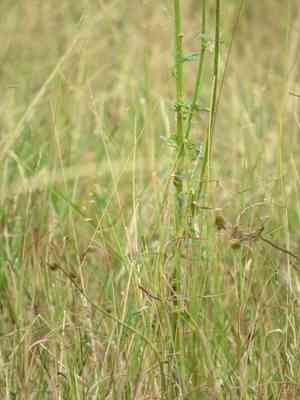
For kenaf, the ideal period for relocation is during the heart of spring, as the moderate temperatures encourage root development. Select bright areas with soil that drains effectively to accommodate kenaf. Bear in mind that careful handling and sufficient hydration after transplanting assist its establishment.
What Preparations are Needed Before Transplanting Kenaf?
What is the Ideal Time for Transplanting Kenaf?
The optimal period for relocating kenaf is after the last frost, during the mild warmth of late morning in the early blooming season. Moving kenaf at this time allows the plant to become established before summer's heat intensifies. This timing ensures roots have sufficient opportunity to develop deeply and robustly, crucial for the plant's overall health and ability to thrive.
How Much Space Should You Leave Between Kenaf Plants?
Hello, gardener! For your kenaf, aim for ample room by providing them space to flourish. Position your young plants approximately 24-36 inches apartâthat's about 61-91 cm. This spacing promotes strong and full development!
What is the Best Soil Mix for Kenaf Transplanting?
Your kenaf will appreciate a comfortable spot with soil that drains well. Opt for a mixture rich in organic material. Prior to planting, enrich the earth with a balanced fertilizer to give your kenaf a nourishing start. They will reward you with vigorous growth!
Where Should You Relocate Your Kenaf?
Sunshine brings happiness to your kenaf! Select a location where these beautiful plants can absorb full sunâmeaning direct sunlight for at least 6-8 hours daily. It's their preferred environment for blooming and flourishing!
What Equipments Should You Prepare Before Transplantation Kenaf?
Gardening Gloves
To safeguard your hands while handling soil and plants.
Shovel or Garden Spade
For excavating the kenaf plant and preparing a new planting site.
Watering Can or Hose
Used for hydrating the kenaf plant both before and after its relocation.
Hand Trowel
For more precise tasks around the root system and in confined areas.
Garden Fork
To loosen and aerate the soil surrounding the plant's root structure.
Pruning Shears
For trimming any damaged roots or excessive foliage.
Wheelbarrow or Garden Cart
To transport the kenaf plant and soil if necessary.
How Do You Remove Kenaf from the Soil?
How Do You Remove Kenaf from the Soil?
From Ground: Gently moisten the kenaf to soften the soil. Use a shovel to dig a wide circle around the plant. Carefully pry underneath with the shovel to preserve a healthy root ball, then lift the kenaf out with care.From Pot: Water the kenaf and allow a few minutes. Tilt the pot sideways and gently tap or press the pot to loosen. Grasp the plant at its base and slowly guide it out while supporting the root ball.From Seedling Tray: Ensure the soil is damp. Use a hand trowel or similar tool to carefully lift the seedling, supporting the root ball to keep it intact.
Step-by-Step Guide for Transplanting Kenaf
Digging the Hole
Excavate a hole twice as wide and equally deep as the kenaf's root ball.
Preparing the Plant
Examine the root ball, trimming any broken roots and untangling any that are circling to encourage outward growth.
Placing the Plant
Carefully position the kenaf into the hole, ensuring it is level with the surrounding ground.
Filling the Hole
Backfill the hole with soil, gently firming it down to remove air pockets.
Watering
Thoroughly water the kenaf after planting to help settle the soil around its roots.
How Do You Care For Kenaf After Transplanting?
Staking
If the kenaf is tall or in a windy spot, provide a stake for support and tie it loosely to prevent harm.
Mulching
Apply a layer of mulch around the base of the kenaf to retain moisture and inhibit weed growth.
Regular Monitoring
Check the kenaf daily for signs of stress such as wilting or discolored leaves and address any issues promptly.
Troubleshooting Common Issues with Kenaf Transplantation.
When's the best time to transplant kenaf?
Relocate kenaf during the pleasant period of early to mid-spring for optimal development.
What is the ideal spacing for kenaf when transplanting?
Allow each kenaf ample room to thrive by spacing them 24-36 inches (61-91 cm) apart.
How deep should I plant kenaf's roots in the soil?
Ensure kenaf's roots are comfortably situated, planting them at the same depth as they were in their previous container.
Is it necessary to prune kenaf before transplanting?
A light trimming of damaged or elongated roots can stimulate healthy growth in kenaf.
How much should I water kenaf after transplanting?
Keep the soil consistently moist but not saturated to help kenaf establish itself.
What soil type is best for transplanting kenaf?
Enhance your garden with well-draining, fertile soil for a thriving kenaf.
Should I fertilize kenaf right after transplanting?
Wait until kenaf is settled before providing nutrientsâtypically a few weeks post-transplant.
How do I protect transplanted kenaf from pests?
Monitor kenaf closely and apply appropriate pest control if you detect problems.
Can kenaf handle full sun right after transplanting?
Gradually introduce kenaf to full sun to prevent shock, beginning with partial shade.
Why are my transplanted kenaf's leaves wilting?
Wilting after relocating kenaf could be due to insufficient water or root damage. Investigate and rectify.



