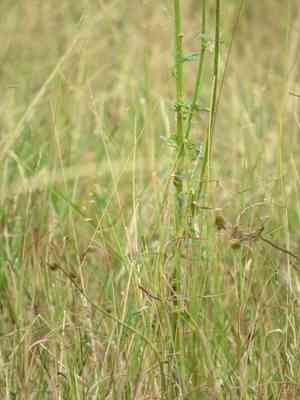
Kenaf (Hibiscus cannabinus)
Also known as: Java jute
Kenaf wood is incredibly versatile and has been utilized for various purposes over time. Historically, it has been employed to produce rope, twine, insulation, paper, animal bedding, and textiles. In recent years, the push for sustainability has broadened its applications. Today, kenaf is also being used in the manufacturing of automotive components, as an eco-friendly alternative. Additionally, it finds use in biocomposites for construction materials and oil absorbents for spill cleanup, showcasing its expanding role in modern industries.
In This Article
Attributes of Kenaf
Lifespan
Annual
Plant Type
Herb
Plant Height
1.5 m to 3.5 m
Spread
7 m to 14 m
Leaf Color
Green
Flower Size
8 cm to 15 cm
Flower Color
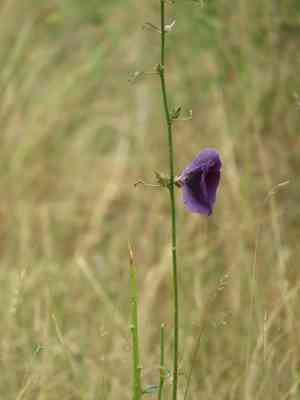
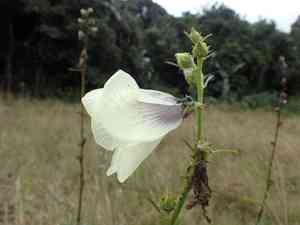
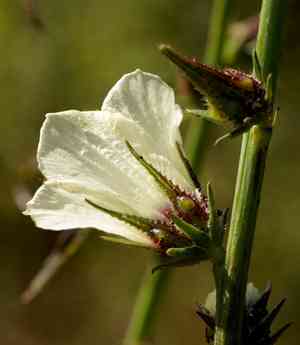
White Yellow Purple
Images of Kenaf
Quickly Identify Kenaf
1
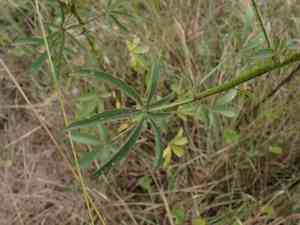
Hibiscus cannabinus can be identified by its tall, erect stature, typically reaching heights of up to 3.5 meters. The leaves are multiple-lobed, similar in appearance to those of cannabis, and the flowers are yellow with a maroon center. The plant also produces a distinctive long fiber when the stem is peeled.
Scientific Classification of Kenaf
Phylum
Vascular plants
Class
Dicotyledons
Order
Malvales
Family
Mallow
Genus
Hibiscus
Species
Kenaf
Planting and Growing of Kenaf
Care Difficulty
Easy
Watering Schedule
Every 8 days
Sunlight Requirements
Full sun
Sunshine Duration
4-6 hours
Ideal Temperature
75-90℉
Soil Type
Potting Mix, Peat Mix
Soil pH
6.5-7.5
Fertilizer Type
Balanced
Pruning Season
Spring, Summer
Pruning Area
Leaves, Branches
Pruning Frequency
2 times a year
Repotting Season
Spring
Pot Type
Plastic, Ceramic
 How to Water Kenaf?
When watering Hibiscus cannabinus, aim to moisten the soil thoroughly without leaving it waterlogged. This plant thrives best when its soil surface is slightly dry between waterings, so a moderate amount of approximately 500 ml per session is ideal.
What are the symptoms of an underwatered Kenaf?
›
What should I do if my Kenaf is not getting enough water?
›
What are the symptoms of an overwatered Kenaf?
›
How to save an overwatered Kenaf?
›
 What Are the Sunlight Requirements for Kenaf?
Hibiscus cannabinus prefers full sun conditions, requiring a range of 6 to 8 hours of direct sunlight daily. This full exposure supports optimal flowering and vigorous growth, maximizing plant vigor and resilience.
More About Sunlight Requirements Techniques→
What is the ideal lighting condition?
›
How can I ensure optimal sunlight for Hibiscus cannabinus?
›
What benefits does ideal sunlight provide to Hibiscus cannabinus?
›
 What Is the Ideal Temperature Range for Kenaf?
Hibiscus cannabinus thrives ideally between 75°F to 90°F. This range supports optimal metabolic processes and promotes vigorous growth. Maintaining an environment within this range ensures healthy foliage and abundant flowering.
 What Soil is Best for Kenaf?
Hibiscus cannabinus thrives in well-drained soil which prevents root rot by allowing excess water to escape. This plant flourishes in nutrient-rich soil, which provides essential vitamins and minerals for robust growth and vibrant blooms. Properly aerated soil is crucial for this plant as it ensures the roots receive enough oxygen, promoting healthier root development.
 How to Fertilize Kenaf?
For Hibiscus cannabinus, the recommended fertilizer amount is around 1 tablespoon of liquid fertilizer for every gallon of water during each application. This ensures the plant absorbs nutrients effectively without experiencing nitrogen burn or nutrient waste.
 How to Prune Kenaf?
Ensure you have sharp, clean pruning shears to make precise cuts. Sterilizing your tools before and after use can prevent the spread of plant diseases. Start by removing any dead or diseased branches, cutting them back to healthy wood. Trim the plant to shape it and promote bushiness, making cuts just above nodes to encourage growth. If you prune in early spring, it will stimulate new growth essential for immense bloom in warmers months. Avoid late autumn pruning as new growth can be vulnerable to frost damage.
More About Pruning Techniques→
 How to Propagate Kenaf plant?
1
Use a well-draining potting mix to fill your seed trays or pots. The growing medium should retain some moisture while allowing excess water to drain away easily to prevent root rot.
2
For seed propagation, scatter the seeds on the growing medium and lightly cover them with a thin layer of soil. For cuttings, insert the stem cuttings into the soil at an angle to optimize root development.
3
Provide warmth and moisture by placing the tray or pot in a controlled environment. A temperature range of 20-25°C (68-77°F) is ideal, and covering with plastic can help retain humidity.
 How to Repot Kenaf plant?
1
Hibiscus cannabinus requires repotting when you notice roots emerging from the drainage holes, a sign of being root-bound. Also, if the plant's growth rate slows down or the soil seems compacted and depleted, it's time to refresh the environment to ensure healthy growth.
2
Select a pot that is one size larger than the current one to provide room for growth. Ensure it has adequate drainage holes to prevent waterlogging, which can lead to root rot. A pottery pot or a plastic pot works well as long as it facilitates easy water drainage.
3
Opt for a well-draining loamy soil mix that retains moisture without becoming soggy. A mix enriched with organic matter supports nutrient retention, essential for the robust growth of Hibiscus cannabinus, ensuring vibrant foliage and strong stems.



