How to Prune Kenaf?
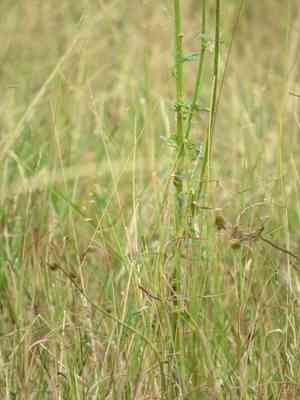
A tropical species, well-known for its fibrous stalks and expansive foliage, flourishes with a specific trimming approach. For kenaf, selective branch elimination improves light access and airflow, fostering robust development. Perform pruning in spring, summer, or autumn, aligning with periods of active development. Deliberate cuts to aged or overly large stems revitalize the plant and can boost fiber production. Sanitize implements to avert pathogen spread; refrain from excessive trimming to preserve plant well-being and hardiness.
What Are the Benefits of Pruning Kenaf?
What Are the Benefits of Pruning Kenaf?
Trimming kenaf encourages vigorous development and helps maintain its desired form. Strategic cuts can revitalize the plant, improve air circulation, and enhance its visual appeal.
What Is the Best Time for Pruning Kenaf?
What Is the Best Time for Pruning Kenaf?
Pruning or trimming kenaf in Spring coincides with the post-winter period when new growth is about to begin, allowing gardeners to shape the plant and promote strong new stems and foliage. Early Summer is also an ideal time to prune kenaf to manage its size and remove any weak or damaged growth, without significantly impacting flowering since kenaf typically blooms in late summer or fall. Fall pruning should be restricted to removing dead or diseased plant parts after the flowering period, helping to maintain kenaf's health and prepare it for its dormant winter phase. Pruning during these seasons allows kenaf to recover and flourish, while avoiding harm during its active growth and blooming cycles.
What Tools Do I Need to Prune Kenaf?
Hand Pruners
Perfect for making clean cuts on young, green shoots and stems, ensuring rapid recovery for kenaf.
Lopping Shears
Utilized for cutting through thicker branches that hand pruners cannot manage, providing leverage and extended reach for kenaf's growth habit.
Pruning Saw
Essential for removing mature, woody stems of kenaf, allowing for precision in cutting larger branches without harming the plant.
Gloves
Protects the gardener's hands from thorns and rough stem surfaces while trimming kenaf.
Pruning Scissors
Useful for deadheading and shaping kenaf, enabling detailed work and preserving plant health.
Garden Shears
Effective for trimming and shaping the hedge-like growth of kenaf, helping to maintain the desired form and encouraging bushier growth.
How to Prune Kenaf
Cleaning Tools
Before beginning the pruning process, ensure all tools are clean and sharp to prevent disease spread and to make clean cuts that will heal more quickly.
Identifying Withered Leaves
Carefully inspect kenaf for withered leaves, which are typically dry, brown, and may be crinkled or curled. Identifying these leaves is crucial as they will be the target of the pruning.
Pruning Withered Leaves
Using your pruning shears, snip off the withered leaves at their base, close to the primary branch or stem. However, make sure not to cut into the main stem to avoid unwanted damage to kenaf.
Disinfecting Cuts
Immediately after pruning, apply a thin layer of natural fungicide on the cuts to protect kenaf from potential infections. For a natural option, consider using a diluted solution of chamomile tea.
Post Pruning Care
After pruning, water kenaf adequately to help it recover from the stress of pruning and to encourage new growth. Monitor the plant over the following weeks to ensure it is healthy and to determine if further pruning is necessary.
Common Pruning Mistakes with Kenaf
Overpruning
Removing too much foliage at once can stress kenaf, leading to poor growth and reduced flowering.
Cutting Into Old Wood
Pruning into the old, woody stems of kenaf may prevent the plant from producing new shoots, which are essential for blooming.
Improper Tool Use
Using dull or unclean pruning tools can result in ragged cuts, making kenaf susceptible to pests and diseases.
Neglecting To Remove Dead Material
Failing to clear away dead or diseased branches can hinder kenaf's overall health and appearance.
Pruning At Random
Randomly cutting branches without understanding the growth pattern of kenaf may result in an unbalanced shape and fewer flowers.
Common Pruning Tips for Kenaf
Selective Thinning
Cut back select stems to their base to encourage airflow and light penetration, which is beneficial for the health of kenaf.
Shaping And Training
Prune kenaf to maintain a desired shape and size, and to encourage the growth direction you want without excessive cutting.
Use Of Sharp Tools
Always use sharp, clean pruning shears to make precise cuts that will heal quickly on kenaf.
Disinfect Tools
Disinfect pruning tools before and after use to prevent the spread of diseases among kenaf plants.
Post-Bloom Trimming
Trimming kenaf after it completes a bloom cycle can help to encourage another round of flowers.



