How to Propagate Kenaf?
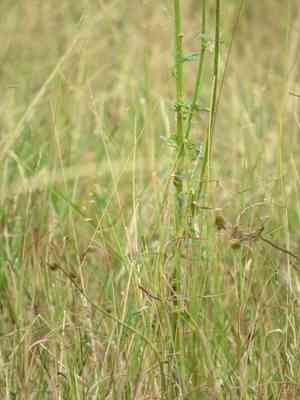
Originating from tropical and subtropical zones, kenaf is prized for its robust fibers and frequently grown in balmy environments. To achieve effective propagation, cultivators utilize seeding, as kenaf thrives with this approach. Employ fresh, superior-grade seeds and embed them in porous soil to boost the likelihood of sprouting. Sustain steady hydration and supply sufficient warmth to foster the development of young plants until they are ready for relocation. It is crucial to guarantee a shielded setting from harmful organisms during the early phases to safeguard the health of nascent plants.
Optimal Time for Kenaf Propagation
Propagation Method
Seeding
Propagation Period
Spring
Tools for Kenaf Propagation
Seed trays
Seed trays are vital for initiating kenaf's seeds indoors or in a controlled setting. They enable efficient use of space and resources by holding multiple seeds in an organized fashion. Individual compartments help maintain proper spacing between seeds, lowering the risk of fungal diseases and aiding better growth management.
Misting bottle
A misting bottle is essential for gently hydrating newly sown kenaf seeds. Overwatering can dislodge small seeds like kenaf's, which need a soft, consistent moisture level for germination. Misting provides sufficient water without causing erosion or displacement.
Heat mat
Utilizing a heat mat can boost kenaf's seed germination rates, as it helps maintain a steady soil temperature, crucial for tropical plant germination like kenaf. This tool is especially useful during colder months or in temperate climates, ensuring optimal soil temperature for sprouting.
Peat pots
Peat pots are advantageous for kenaf's propagation because they minimize root disturbance during transplanting, a key factor for delicate seedlings. Peat pots allow direct planting into the soil, pot and all, which naturally decomposes. This ensures a smoother transition for roots, improving post-transplant survival rates.
Fine-textured potting mix
A fine-textured potting mix is important for sowing kenaf's seeds, as it ensures good soil aeration and drainage. This soil type promotes root growth and prevents waterlogging, which can harm seed germination and young seedlings. Additionally, the fine texture allows for easier root penetration with minimal resistance.
How to Propagate Kenaf?
Propagation Type
Simple
Caring for Your Newly Propagated Kenaf
Caring for Your Newly Propagated Kenaf
Kenaf is a relatively robust plant requiring minimal upkeep once established. Ensure consistent watering, especially during dry spells, and provide full sunlight for optimal development. Soil should remain moist but not waterlogged. No specific pruning is needed, but removing old or dead leaves will encourage healthier growth and appearance. Monthly application of a balanced fertilizer during the growing season can enhance growth and fiber production.
Common Mistakes to Avoid When Propagating Kenaf
Overwatering
Watering kenaf too often can lead to root rot, as this species is sensitive to excessive moisture around its roots. This can hinder root development and decrease the plant's overall growth rate.
Deep planting
When propagating kenaf from seed, burying the seeds too deeply can prevent germination. Seeds need adequate light and air to sprout effectively, and deep planting can obstruct these vital factors.
Neglecting pest management
Ignoring potential pests during kenaf propagation can result in infestations that compromise young plants. Pests like aphids and spider mites can severely damage or kill young shoots before they mature.
Tips For Propagating Kenaf
Proper soil preparation
Preparing a well-draining soil mix is crucial for kenaf, as it prevents moisture retention around the roots, reducing the risk of root rot and promoting healthier root development.
Moderate watering
Maintaining consistent, moderate watering ensures that the soil is moist but not waterlogged, supporting optimal growth conditions for kenaf without leading to root diseases.
Pest monitoring
Regular monitoring for pests and implementing preventive measures like natural pesticides or beneficial insects can protect kenaf during its vulnerable stages of growth, ensuring healthier development.



