How to Transplant Hairy false goldenaster?
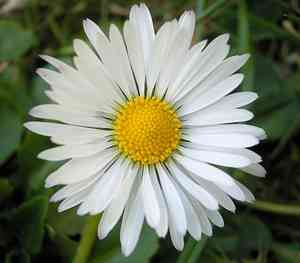
The arrival of spring marks an ideal time for relocating hairy false goldenaster, allowing its roots to settle prior to the heat of summer. Select bright, adequately draining spots, and if necessary, amend the soil to foster vigorous development. A delicate approach aids hairy false goldenaster's adaptation to its new environment.
What Preparations are Needed Before Transplanting Hairy False Goldenaster?
What is the Ideal Time for Transplanting Hairy False Goldenaster?
Once the danger of frost has passed and the ground begins to warm, it's an excellent period to move hairy false goldenaster. Relocating hairy false goldenaster during this revitalizing season allows roots to establish comfortably before summer's heat. By selecting this opportune window, you give hairy false goldenaster a head start, benefiting from the abundant spring growth phase. This strategic timing enables hairy false goldenaster's root system to develop while temperatures are mild and moisture levels are favorable.
How Much Space Should You Leave Between Hairy False Goldenaster Plants?
When planting hairy false goldenaster, provide them with ample room to thrive. Ideally, maintain a spacing of approximately 2-3 feet (60-90 cm) between each plant. This ensures they have sufficient space to grow without competing for resources.
What is the Best Soil Mix for Hairy False Goldenaster Transplanting?
For hairy false goldenaster, a well-draining loamy or sandy soil is suitable. Before planting, incorporate some organic compost or a general-purpose granular fertilizer into the soil. This will significantly enhance the plant's growth.
Where Should You Relocate Your Hairy False Goldenaster?
Choose a spot where hairy false goldenaster can receive full sunlight, as it flourishes with ample sun exposure. If your garden's sunlight is too intense, consider a location with partial shade. This will keep your plant healthy and content.
What Equipments Should You Prepare Before Transplantation Hairy False Goldenaster?
Gardening Gloves
These protect your hands when handling soil and the plant itself.
Garden Trowel
This tool assists in excavating the planting hole.
Garden Spade
Useful for loosening soil and extracting the plant from its original spot while keeping the root ball intact.
Watering Can
To supply necessary water to the plant during and after its relocation.
Mulch
This helps maintain soil moisture and coolness.
How Do You Remove Hairy False Goldenaster from the Soil?
How Do You Remove Hairy False Goldenaster from the Soil?
From Ground: Begin by moistening the soil around the hairy false goldenaster plant with water, which will facilitate easier removal of the root ball. Using your garden spade, dig a wide trench around the plant, ensuring all roots are included. Carefully lift the plant, trying not to damage the root ball.From Pot: Water the hairy false goldenaster plant and tilt the pot onto its side. Gently ease the plant out of its container. Be sure to support the root and soil mass together.From Seedling Tray: Water the tray to loosen the soil. Gently push the hairy false goldenaster seedling from the bottom, carefully pull it upwards while preserving the root ball's integrity.
Step-by-Step Guide for Transplanting Hairy False Goldenaster
Digging the Hole
Start by digging a hole with your garden trowel, which should be twice the width of the root ball and equally deep.
Placing the Plant
Carefully position the hairy false goldenaster plant into the hole, ensuring the top of the root ball is level with the ground surface.
Back-Fill
Refill the hole with soil, gently firming it but avoiding tight compaction.
Watering
Water the plant thoroughly using the watering can immediately after placement.
Mulching
Cover the ground around the plant with mulch to help retain soil moisture.
How Do You Care For Hairy False Goldenaster After Transplanting?
Watering
Water the hairy false goldenaster regularly, ensuring the soil remains moist, but avoid overwatering to prevent root rot.
Pruning
Encourage new growth by trimming old stems or spent flowers.
Inspect
Regularly check the hairy false goldenaster for any indications of diseases or pests. Address any issues promptly to prevent severe harm to the plant.
Maintain
Always remember to keep the area around the plant free of weeds and debris. Weeds can compete with your hairy false goldenaster for nutrients, so keeping them away will be beneficial.
Mulch
Replace the mulch around the hairy false goldenaster as it breaks down to maintain soil moisture and suppress weeds.
Troubleshooting Common Issues with Hairy False Goldenaster Transplantation.
When is the best time to transplant hairy false goldenaster?
The optimal period to transplant hairy false goldenaster is during the S1, when the plant is less active and weather conditions are favorable.
What is the ideal spacing for hairy false goldenaster after transplanting?
After transplanting, ensure a gap of 2-3 feet (0.6 - 0.9 meters) between each hairy false goldenaster to promote healthy development.
What can I do if hairy false goldenaster is not thriving after transplant?
Ensure it receives adequate water, sufficient sunlight, and that the soil drains well. Sometimes, simply adjusting these conditions can help hairy false goldenaster flourish.
What soil type is suitable for transplanting hairy false goldenaster?
Hairy false goldenaster prefers well-drained soil. It's important to enhance soil consistency with compost before transplanting, if needed.
What kind of light exposure does hairy false goldenaster need after transplant?
Following transplanting, hairy false goldenaster requires full sun exposure. Make sure the chosen location receives at least six hours of sunlight daily.
How do I water hairy false goldenaster after transplanting?
Hairy false goldenaster prefers dry to medium moisture levels. After transplanting, water thoroughly, then allow the soil to dry before re-watering.
What if the leaves of hairy false goldenaster turn yellow after transplanting?
If leaves yellow, it could be due to over-watering or poor drainage. Check soil moisture and confirm the location is well-drained.
How deep should I dig the hole for transplanting hairy false goldenaster?
The hole should be twice as wide and the same depth as the root ball. This typically ranges from 10 to 12 inches (25 to 30 cm).
What should I do if my transplanted hairy false goldenaster starts wilting?
Wilting can indicate transplant shock. Keep the soil moist, shield from harsh weather, and allow the plant time to adapt.
What fertilizers are best for hairy false goldenaster?
Hairy false goldenaster does not require heavy fertilization. Use compost or a balanced slow-release fertilizer to supply essential nutrients and improve soil health.



