How to Propagate Hairy false goldenaster?
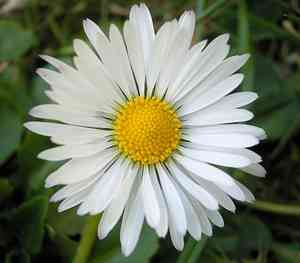
Hairy false goldenaster flourishes when reproduced by seeding in early Spring, presenting a moderate challenge. Indicators of successful propagation encompass swift sprouting and vigorous young plant development. Provide a well-aerated growing medium and steady hydration for peak outcomes.
Optimal Time for Hairy False Goldenaster Propagation
Propagation Method
Seeding
Propagation Period
Spring
Tools Required for Hairy False Goldenaster Propagation
Seedling Trays
Seedling trays offer an organized approach for planting hairy false goldenaster seeds. Their divided structure allows for proper spacing, vital for initial growth. These trays are designed to retain moisture effectively, which is key for hairy false goldenaster germination.
Fine Gardening Soil or Seed Starting Mix
A finely textured, sterile planting medium supports the delicate initial growth of hairy false goldenaster. It is free of disease-causing agents that could harm young plants and has an optimal nutrient balance and pH for improved germination rates and seedling vigor.
Spray Bottle or Mister
A spray bottle or mister provides a gentle water supply, keeping the seed starting mix moist without dislodging or washing away the small hairy false goldenaster seeds. Controlled watering is crucial for preventing fungal diseases like damping-off.
Plastic Dome or Cover
Placing a clear plastic dome or cover over the seedling tray creates a miniature greenhouse effect. This cover maintains high humidity and stable temperatures, which are beneficial for hairy false goldenaster germination.
Grow Lights or Fluorescent Lamps
Grow lights offer a consistent light source, essential for hairy false goldenaster seedlings, especially when natural sunlight is insufficient. They ensure seedlings can photosynthesize efficiently, leading to robust and healthy development.
Heat Mat
A heat mat gently warms the soil, thereby encouraging faster and more uniform seed germination for hairy false goldenaster. It is particularly useful in cooler environments where soil temperature might not naturally reach the ideal range.
Tweezers
Precision is necessary when planting the small seeds of hairy false goldenaster. Tweezers allow for careful seed placement, preventing overcrowding and ensuring each seed has adequate space.
Steps to Propagate Hairy False Goldenaster
Propagation Method
Seeding
Difficulty Level
Simple
Post-Propagation Care for Hairy False Goldenaster
Post-Propagation Care for Hairy False Goldenaster
After successful propagation, maintain hairy false goldenaster's health by ensuring it's in a full sun location. Water deeply but infrequently, allowing the soil to dry between waterings. Hairy false goldenaster is drought-tolerant, so excessive moisture can be harmful. Fertilization is not required; if desired, use a balanced, slow-release fertilizer sparingly in spring. Monitor for weeds and remove them gently without disturbing roots. Hairy false goldenaster is generally low-maintenance and adapted to local climates, making post-propagation care straightforward.
Common Errors to Avoid When Propagating Hairy False Goldenaster
Overwatering
Excessive watering can lead to root rot, which is detrimental to hairy false goldenaster's health. As a resilient plant, hairy false goldenaster has evolved to withstand dry periods, and too much water can cause roots to become waterlogged, weakening the plant and increasing fungal infection risk.
Planting depth
Planting hairy false goldenaster cuttings or seeds too deep can hinder germination or suppress new shoot growth. This error can deprive the plant of essential oxygen and impede its ability to photosynthesize properly, leading to poor establishment or plant demise.
Ignoring humidity
While hairy false goldenaster tolerates drought, completely neglecting humidity during early propagation stages can result in desiccation and poor root development. It's crucial to balance the propagation environment to foster healthy growth without encouraging mold or fungus.
Neglecting sanitation
Using uncleaned tools or containers can introduce pathogens to hairy false goldenaster cuttings or seedlings. This oversight can cause disease outbreaks, which can be particularly devastating during a plant's vulnerable life stages.
Advice for Propagating Hairy False Goldenaster
Soil preparation
Utilize a well-draining soil mix for hairy false goldenaster, as this mimics its natural environment and prevents water retention that could harm the plant. The correct mixture will support healthy root development and aeration.
Light exposure
Provide hairy false goldenaster with ample sunlight during propagation. Sufficient light is crucial for photosynthesis, which is essential for the growth of seedlings and cuttings.
Rooting hormone
When propagating hairy false goldenaster from cuttings, applying a rooting hormone can enhance root growth and improve the likelihood of successful propagation. This hormone stimulates the cutting to develop roots quickly and more robustly.
Gradual hardening off
Once hairy false goldenaster is established, slowly acclimate the plant to outdoor conditions to strengthen its resilience. This process is vital to help hairy false goldenaster adjust to its new environment and reduce transplant shock.



