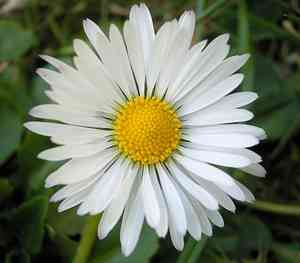
Hairy false goldenaster (Heterotheca villosa)
Also known as: Hairy False Goldenaster, Hairy Golden Aster
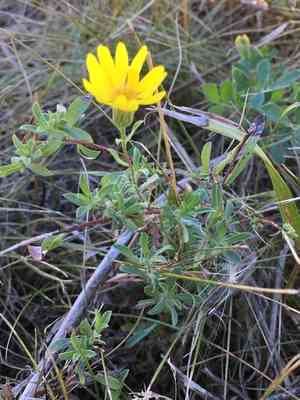
The hairy false goldenaster (Heterotheca villosa) is a perennial herb in the aster family, known for its vibrant yellow, daisy-like flowers. Key features include:
- **Fuzzy Stems and Leaves:** Densely covered with fine hairs, giving a soft, hairy texture.
- **Golden Blooms:** Produces bright yellow flowers from summer to fall.
- **Growth Habit:** Typically reaches 1 to 3 feet in height.
- **Leaf Shape:** Lance-shaped leaves arranged alternately on the stem.
- **Preferred Habitat:** Thrives in dry, open areas like prairies, roadsides, and rocky terrains.
This plant is well-adapted to drought conditions and prefers well-drained soils.
In This Article
Attributes of Hairy false goldenaster
Lifespan
Perennial
Plant Type
Herb
Plant Height
20 cm to 51 cm
Spread
15 cm to 45 cm
Leaf Color
Green Gray
Flower Size
2.5 cm to 5 cm
Flower Color
Yellow
Images of Hairy false goldenaster
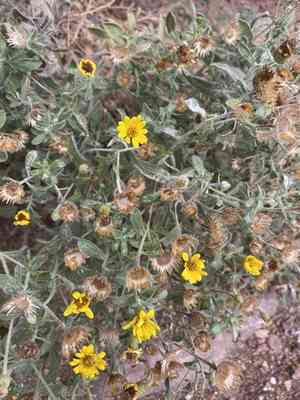
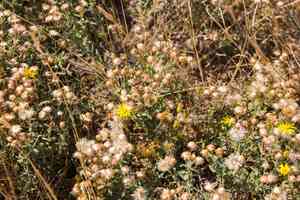
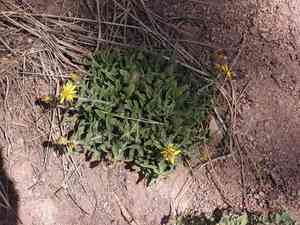
Quickly Identify Hairy false goldenaster
1
Heterotheca villosa can be identified by its hairy stems and leaves, its bright yellow daisy-like flowers, and its typical height ranging from 40 to 90 cm. The plant also has a robust taproot system which helps it survive in dry conditions.
Scientific Classification of Hairy false goldenaster
Phylum
Vascular plants
Class
Dicotyledons
Order
Asterales
Family
Daisy
Genus
Telegraph Weed
Species
Hairy false goldenaster
Planting and Growing of Hairy false goldenaster
Care Difficulty
Easy
Watering Schedule
Every 2 days
Sunlight Requirements
Full sun
Sunshine Duration
4-6 hours
Ideal Temperature
65-75℉
Soil Type
Potting Mix, Peat Mix
Soil pH
6.5-7.5
Fertilizer Type
Balanced
Pruning Season
Spring, Summer
Pruning Area
Branches, Leaves
Pruning Frequency
2 times a year
Repotting Season
Spring
Pot Type
Ceramic, Plastic
 How to Water Hairy false goldenaster?
Heterotheca villosa, known as the 'hairy false goldenaster,' thrives in environments that mimic its native dry terrains. Opt for 250 ml of water per session, ensuring the soil is moist but never waterlogged. The key is to let the top 2 inches of soil dry out completely between waterings, which helps maintain the plant's preference for a well-drained medium.
What are the symptoms of an underwatered Hairy false goldenaster?
›
What should I do if my Hairy false goldenaster is not getting enough water?
›
What are the symptoms of an overwatered Hairy false goldenaster?
›
How to save an overwatered Hairy false goldenaster?
›
 What Are the Sunlight Requirements for Hairy false goldenaster?
Heterotheca villosa requires a balance between full and partial sun, ideally getting six to eight hours of sun. This light condition supports photosynthesis, ensuring healthy growth and optimal flowering.
More About Sunlight Requirements Techniques→
What is the optimal sun exposure for Heterotheca villosa?
›
How can you achieve ideal lighting conditions for this plant?
›
What are the benefits of optimal light exposure for this plant?
›
 What Is the Ideal Temperature Range for Hairy false goldenaster?
The ideal temperature range for Heterotheca villosa is between 65°F and 75°F. Within this range, the plant can effectively conduct photosynthesis, maximize nutrient uptake, and maintain healthy growth and blooming cycles.
 What Soil is Best for Hairy false goldenaster?
Heterotheca villosa thrives in well-drained soil because it prevents root rot and ensures optimal growth. This type of soil allows excess water to quickly drain away, helping the plant to maintain healthy roots. This plant benefits from nutrient-rich soil that provides essential minerals and nutrients necessary for vibrant foliage and blossom production, ensuring robust plant health and growth. An oxygen-rich soil environment is crucial for the growth of Heterotheca villosa. Proper aeration enables roots to breathe and facilitates essential microbial activity needed for nutrient uptake.
 How to Fertilize Hairy false goldenaster?
For Heterotheca villosa, it's important to maintain a balanced nutrient supply. An ideal amount would be applying a dilute liquid fertilizer at a rate of half-strength once a month during its growing season. This provides adequate nourishment without risking over-fertilization.
 How to Prune Hairy false goldenaster?
Before you start pruning, thoroughly inspect the Heterotheca villosa for any damaged or dead branches. Removing these parts first helps prevent disease spread. Begin by trimming back weak or overcrowded stems to about a third of their length. This improves air circulation and light penetration, promoting healthier growth. Trim the outer branches to maintain a compact, bushy shape. This not only enhances its appearance but also ensures that the plant remains vigorous and resilient.
More About Pruning Techniques→
 How to Propagate Hairy false goldenaster plant?
1
Gather seeds from mature Heterotheca villosa plants when they are dry. Store in a cool, dry place until you're ready to plant them.
2
Select healthy stems and use sharp pruners to cut a segment below a node. Remove the lower leaves and dip the cut end in rooting hormone.
3
For division propagation, carefully dig up the plant, separate the roots into several sections, and replant each section individually.
 How to Repot Hairy false goldenaster plant?
1
Repotting Heterotheca villosa is ideal when you notice that the roots are visibly overcrowding the pot, or when the plant's growth seems to be stagnating despite proper care. This is often evident through roots poking out from the drainage holes or a noticeable slowing of new growth.
2
Select a pot that is one size larger than the current one with adequate drainage holes. Opting for a slightly larger pot prevents overwatering and root rot by ensuring excess water is easily drained away. A pot that breathes will support aeration for healthy root development.
3
The best soil for Heterotheca villosa is a well-draining cactus mix to mimic its natural growth conditions, preventing root rot and ensuring the healthy passage of air and nutrients. Cactus soil maintains the right balance between moisture retention and drainage, crucial for optimal plant health.
Learn More About Hairy false goldenaster Diseases
Anthracnose
Bacterial Leaf Spot
Bacterial Wilt
Black Spot
Chemical Injury
Damping-off
Downy Mildew
Drought Stress
Fusarium Wilt
Gray Mold
Leaf Curl
Leaf Spot
Mosaic
Nutrient Deficiency
Nutrient Toxicity
Powdery Mildew
Root Rot
Root-knot Nematode
Rusts
Sooty Mold
Spider Mites
Temperature Stress
Thrips Damage
White Mold



