How to Prune Hairy false goldenaster?
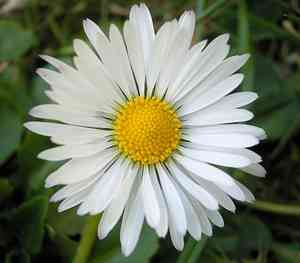
This enduring plant, characterized by its downy foliage and vibrant yellow, daisy-like blossoms, flourishes with little upkeep. Trimming should primarily involve removing faded flowers to stimulate further blooming, and reducing the plant by one-third to one-half in mid-spring or early summer to foster a denser form. Eliminating any lifeless or compromised stalks boosts the plant's overall well-being. Performing these cuts during these periods corresponds with the plant's inherent growth pattern. Such methods enhance air movement and diminish vulnerability to ailments, thereby safeguarding the hairy false goldenaster's robustness.
What Are the Benefits of Pruning Hairy False Goldenaster?
What Are the Benefits of Pruning Hairy False Goldenaster?
Trimming hairy false goldenaster promotes more vigorous development by reallocating energy to new shoots. It also assists in maintaining its desired form for visual appeal and garden design consistency.
What Is the Best Time for Pruning Hairy False Goldenaster?
What Is the Best Time for Pruning Hairy False Goldenaster?
Pruning hairy false goldenaster from late winter to early spring, immediately following the final frost, stimulates robust growth and protects the plant from harsh conditions during its dormant phase. This timing also allows for the removal of any winter damage, reducing the likelihood of disease and pest infestations as the plant enters its active growth period. Furthermore, summer pruning is beneficial for shaping the plant or removing spent flowers to encourage more blooms and preserve its intended look. It is crucial to avoid fall pruning as it can trigger new growth that might not harden off before the first frost, making hairy false goldenaster susceptible to damage.
What Tools Do I Need to Prune Hairy False Goldenaster?
Hand Pruners
Perfect for making clean cuts on hairy false goldenaster's stems, fostering healthy plant development and rapid recovery.
Pruning Shears
Suitable for shaping hairy false goldenaster and eliminating dead or diseased leaves, helping to preserve the plant's appearance and vitality.
Gardening Gloves
Shield hands from hairy false goldenaster's potentially rough or irritating foliage during the trimming process, while also enhancing tool grip.
Pruning Saw
Useful for cutting through thicker stems of hairy false goldenaster that hand pruners cannot manage, ensuring a clean cut without harming the plant.
How to Prune Hairy False Goldenaster
Deadheading
Identify and remove faded blooms of hairy false goldenaster by snipping them at the base of the flower stem. This encourages new blossoms and prevents the plant from expending energy on seed production.
Cleancut
Examine hairy false goldenaster for any damaged or diseased stems. Make precise cuts at a 45-degree angle, just above a healthy set of leaves or a growth node, to avoid leaving stubs that could lead to decay.
Thinning
Reduce overcrowded areas by selectively trimming older, woody stems. Use sharp, clean pruning shears to make cuts at the base of hairy false goldenaster to improve air circulation and light penetration.
Shaping
Form hairy false goldenaster by trimming overgrown or uneven sections back to a side shoot or bud that faces the desired direction for new growth.
Cleanup
After pruning, clear away all clippings and fallen debris from around hairy false goldenaster to maintain tidiness and lessen the chance of pests or disease.
Common Pruning Mistakes with Hairy False Goldenaster
Overpruning
Removing too much foliage from hairy false goldenaster can weaken the plant, leading to poor growth or even death.
Improper Cut Location
Cutting too far from the node can leave a stub that may lead to decay and disease, while cutting too close can damage the bud.
Using Dull Tools
Dull pruning tools can cause damage and create jagged cuts that are more prone to infection.
Pruning During Growth
Trimming hairy false goldenaster while it's actively growing can stress the plant and affect its natural shape and bloom.
Neglecting To Prune
Failing to prune hairy false goldenaster at all can result in a leggy, overgrown appearance and reduced blooming.
Unsterilized Pruning Tools
Using tools that haven't been sterilized between uses can spread diseases from one plant to another.
Inconsistent Pruning
Not pruning hairy false goldenaster consistently or symmetrically can lead to an imbalanced shape and affect its visual appeal.
Common Pruning Tips for Hairy False Goldenaster
Sharp Clean Cuts
Always use sharp, clean tools to make precise cuts, which help ensure quick healing and reduce the risk of disease.
Node Focus
When pruning hairy false goldenaster, aim to make cuts just above the leaf nodes to encourage healthy new growth.
Incremental Pruning
Gradually prune hairy false goldenaster to achieve the desired shape and size, rather than removing a large portion of the plant at once.
Disinfect Tools
Disinfect pruning tools before and after use on hairy false goldenaster to prevent the spread of pathogens.
Remove Dead Material
Regularly remove any dead or dying foliage from hairy false goldenaster to maintain good health and appearance.
Symmetrical Pruning
Aim for a symmetrical shape when pruning hairy false goldenaster to ensure balanced growth and an aesthetically pleasing form.
Monitor Plant Response
After pruning hairy false goldenaster, monitor the plant's response to guide future pruning practices and adjust techniques as necessary.



