How to Transplant Purplehead sneezeweed?
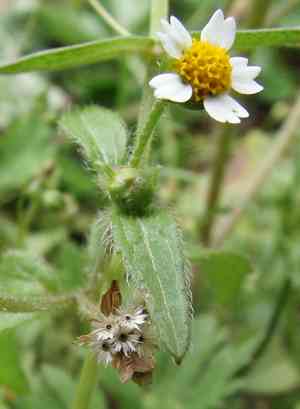
For purplehead sneezeweed, the ideal period for relocation is at the onset of summer's warmth, once steady growth recommences. Select a bright location with damp, adequately draining earth to foster vigorous health and peak maturation.
What Preparations are Needed Before Transplanting Purplehead Sneezeweed?
What is the Ideal Time for Transplanting Purplehead Sneezeweed?
The optimal period for relocating purplehead sneezeweed is from late spring to early summer. This timeframe provides mild temperatures and extended daylight, fostering robust root development without the strain of intense midsummer heat. Planting your purplehead sneezeweed during this window promotes vigorous growth, as the soil has adequately warmed, creating a supportive environment for new roots to establish and expand. Furthermore, transplanting purplehead sneezeweed at this point allows it to benefit from the upcoming summer's growing season, ensuring a strong, vibrant display in your garden.
How Much Space Should You Leave Between Purplehead Sneezeweed Plants?
When moving purplehead sneezeweed, it's best to provide ample room for growth. I suggest spacing the plants approximately 1-2 feet (30-60 cm) apart. This will allow each plant sufficient area to spread and flourish.
What is the Best Soil Mix for Purplehead Sneezeweed Transplanting?
For purplehead sneezeweed, you'll want soil rich in organic material. Prepare the soil base by incorporating compost or a general-purpose fertilizer. Adding these to the soil before transplanting ensures a nutrient-rich setting for your plants.
Where Should You Relocate Your Purplehead Sneezeweed?
For optimal growth, transplant purplehead sneezeweed to a spot that receives full or partial daily sunlight. While they can endure some shade, excessive shade might impede their development, so choose a sunny location in your garden.
What Equipments Should You Prepare Before Transplantation Purplehead Sneezeweed?
Gardening Gloves
Essential for fully protecting hands from potential abrasions or to prevent soil from getting under fingernails.
Spade/Shovel
These are useful for digging up the purplehead sneezeweed plant from its original spot and for preparing the new planting hole.
Hand Fork/Tiller
To loosen the soil around the plant's root system when extracting it from its initial location.
Garden Trowel
Helpful for making minor adjustments to the size of the planting hole.
Watering Can or Hose
To hydrate the plant immediately following transplantation.
Gardening Pruners/Shears
To trim off any dead or damaged branches prior to transplanting.
Buckets or Pots
To safely transport the plant from one area to another.
How Do You Remove Purplehead Sneezeweed from the Soil?
How Do You Remove Purplehead Sneezeweed from the Soil?
From Ground: Water the purplehead sneezeweed plant to moisten the soil. Then use a spade or shovel to dig a wide trench around the plant, ensuring the plant's root ball remains intact. Carefully work the spade beneath the root ball to lift the plant from its original position. Try to retain as much of the original soil around the roots as possible to minimize transplant shock.From Pot: First, thoroughly water the purplehead sneezeweed plant to make the soil damp. Turn the pot sideways, hold the plant firmly, and gently pull it out. If the plant is resistant, you can tap the bottom of the pot to loosen it. Make sure to keep as much soil around the roots as possible.From Seedling Tray: For young purplehead sneezeweed seedlings in trays, first water them well. Then, use a hand fork or dibber to gently lift the seedlings from the tray without harming the root system. Hold the plants by their leaves to avoid damaging the stem.
Step-by-Step Guide for Transplanting Purplehead Sneezeweed
Digging the hole
Excavate a hole that is twice as wide and as deep as the purplehead sneezeweed's root ball. Ensure the soil at the bottom of the hole is loose and aerated to aid the plant's root establishment.
Placing the plant
Position the purplehead sneezeweed in the hole, making sure it is neither too deep nor too shallow. The top of the root ball should be level with or slightly below the surrounding soil surface.
Backfilling
Refill the hole with soil, gently patting around the base of the purplehead sneezeweed to ensure it's firm and stable. Do not pile soil or mulch against the stem, as this could lead to stem rot.
Watering
Provide the purplehead sneezeweed with a generous amount of water immediately after transplanting. This will help settle the soil around the roots and reduce transplant shock.
How Do You Care For Purplehead Sneezeweed After Transplanting?
Monitoring
Observe the purplehead sneezeweed plant for a few weeks to see how it's adapting to its new environment. Look for signs of stress such as wilting leaves or a lack of growth.
Watering
Water the purplehead sneezeweed consistently to keep the soil moist, but not waterlogged. The frequency should be adjusted based on weather conditions.
Pruning
Trim back any dead, diseased, or damaged foliage to encourage healthy growth and minimize the risk of disease.
Troubleshooting Common Issues with Purplehead Sneezeweed Transplantation.
When's the best time to transplant purplehead sneezeweed?
The ideal period to move purplehead sneezeweed is between late summer and early fall, or S3-S5 seasons. This allows the plant sufficient time to establish roots before the colder months.
How far apart should I space purplehead sneezeweed when transplanting?
For optimal growth and flourishing, keep each purplehead sneezeweed approximately 1-2 feet (30-60 cm) apart. This ensures they have ample room to grow without competing for nutrients or sunlight.
Why are the leaves of my transplanted purplehead sneezeweed turning yellow?
This could be due to excessive watering, insufficient sunlight, or an abrupt temperature change. Ensure purplehead sneezeweed receives moderate water, plenty of sunlight, and maintain a stable environment.
What kind of soil is best when transplanting purplehead sneezeweed?
Purplehead sneezeweed thrives in well-draining soil. Loamy or sandy soil keeps the roots healthy by preventing waterlogging. Also, remember to include plenty of organic matter.
What's the appropriate watering schedule for a freshly transplanted purplehead sneezeweed?
During the initial weeks after transplanting, purplehead sneezeweed should be watered lightly but frequently. This helps the plant develop strong roots without the risk of overwatering.
How deep should I dig before transplanting purplehead sneezeweed?
The hole should be twice as wide and as deep as the root ball of purplehead sneezeweed. This allows the roots to spread out comfortably in the new location.
Why isn't my transplanted purplehead sneezeweed flowering?
Possibly because it's either not getting enough sunlight or the soil lacks nutrients. Ensure purplehead sneezeweed receives full sun and the soil is enriched with compost or a balanced fertilizer.
How do I handle root rot in my transplanted purplehead sneezeweed?
If root rot is observed, remove the plant and cut away any soft, decayed roots. Start over with fresh, well-draining soil and avoid overwatering.
Can I prune purplehead sneezeweed after transplanting?
Yes, careful pruning can actually encourage a healthy root system. When it finishes flowering, prune purplehead sneezeweed back by about half to create a compact, sturdy shape.
Why is my transplanted purplehead sneezeweed wilting?
Wilting typically indicates stress from transplant shock. Keep the plant well-watered, place it in bright, indirect light, and avoid drastic changes in temperature or conditions.



