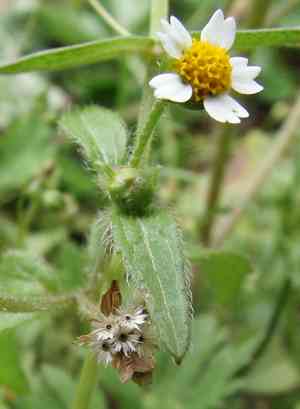
Purplehead sneezeweed (Helenium flexuosum)
Also known as: Purple-headed Sneezeweed
Purplehead sneezeweed (*Helenium flexuosum*) is a perennial herb native to the eastern and central regions of the United States. It flourishes in areas with ample sunlight and moist, well-drained soil. This plant struggles in dry conditions. The genus name "Helenium" is derived from a Greek plant associated with Helen of Troy.
In This Article
Attributes of Purplehead sneezeweed
Lifespan
Perennial
Plant Type
Herb
Plant Height
30 cm to 91 cm
Spread
30 cm to 60 cm
Leaf Color
Green
Flower Size
2.5 cm to 8 cm
Flower Color
Yellow Brown
Images of Purplehead sneezeweed
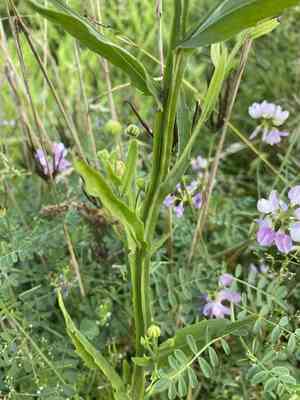
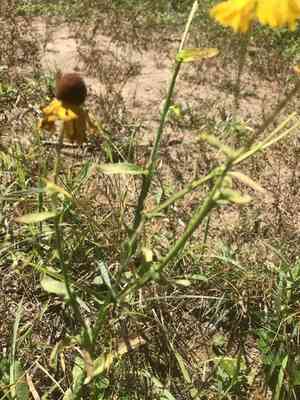
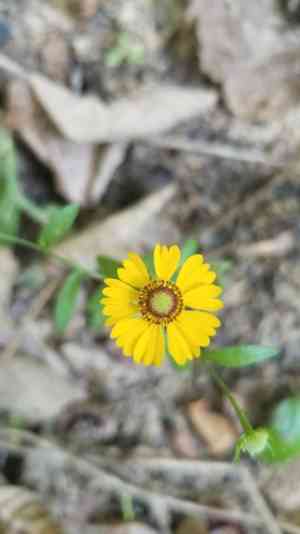
Quickly Identify Purplehead sneezeweed
1
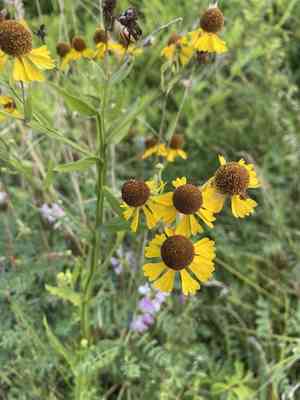
Purplish center disk distinguishes purplehead sneezeweed from similar species.
2
Yellow to deep gold daisy-like flowers with slender ray petals.
3
Distinctive spindle-shaped achene fruit with fine bristle-like hairs.
4
Glandular-dotted lance-shaped leaves with prominent vein patterns.
5
Profusion of vivid yellow flowers with deep purplish brown center.
Scientific Classification of Purplehead sneezeweed
Phylum
Vascular plants
Class
Dicotyledons
Order
Asterales
Family
Daisy
Genus
Sneezeweeds
Species
Purplehead sneezeweed
Planting and Growing of Purplehead sneezeweed
Care Difficulty
Easy
Watering Schedule
Every 3 days
Sunlight Requirements
Full sun
Sunshine Duration
6-8 hours
Ideal Temperature
70-80℉
Soil Type
Potting Mix, Peat Mix
Soil pH
6.5-7.5
Fertilizer Type
Balanced
Pruning Season
Spring, Summer
Pruning Area
Branches, Leaves
Pruning Frequency
2 times a year
Repotting Season
Spring
Pot Type
Plastic, Ceramic
 How to Water Purplehead sneezeweed?
When watering Helenium flexuosum, it’s essential to ensure the soil is moistened thoroughly but not waterlogged. Water until it drains from the bottom of the pot, implying a saturation point, indicating enough water has reached the root zone.
What are the symptoms of an underwatered Purplehead sneezeweed?
›
What should I do if my Purplehead sneezeweed is not getting enough water?
›
What are the symptoms of an overwatered Purplehead sneezeweed?
›
How to save an overwatered Purplehead sneezeweed?
›
 What Are the Sunlight Requirements for Purplehead sneezeweed?
Helenium flexuosum best thrives in 'Full sun to Partial sun' conditions, which supports comprehensive photosynthesis, enhancing bloom quality, foliage health, and overall plant robustness.
More About Sunlight Requirements Techniques→
What is the ideal location for Helenium flexuosum?
›
How to adjust sunlight throughout the day?
›
What benefits does Helenium flexuosum gain from optimal light?
›
 What Is the Ideal Temperature Range for Purplehead sneezeweed?
The ideal temperature range for Helenium flexuosum is between 70°F and 80°F. These conditions mimic its natural habitat, providing an optimal environment for growth and blooming. Maintaining this temperature range ensures that the plant's physiological processes occur seamlessly, promoting health and vigor.
 What Soil is Best for Purplehead sneezeweed?
Helenium flexuosum thrives in well-drained soil that prevents water from pooling and causing root rot. This enhances the plant's ability to absorb nutrients effectively. Preferring a soil pH between 6.5 and 7.5, this plant grows best in slightly acidic to neutral environments. It ensures that essential nutrients are readily available for uptake. The plant requires moderately fertile soil, which supports robust growth and vibrant flowering without overwhelming the plant with excessive nutrients.
 How to Fertilize Purplehead sneezeweed?
Helenium flexuosum, known as 'purple sneezeweed', prefers a balanced fertilization approach. With liquid fertilizers, apply roughly a diluted solution of half the recommended amount monthly, keeping in mind that less is often more for this species to prevent root burn.
 How to Prune Purplehead sneezeweed?
Start by sanitizing your pruning shears to prevent any potential spread of disease. Begin pruning in early spring or just after the first flush of blooms in summer. Cut back each stem to a leaf node or the base, removing any spent flower heads to promote the growth of new buds. Trim away any dead or damaged branches, making clean cuts at a 45-degree angle to prevent water from collecting on the cut surfaces, which can lead to rot. Helenium flexuosum can benefit from shaping to ensure a tidy appearance. To do this, prune back up to a third of the plant's growth, focusing on uneven or overly long stems. This will help maintain a uniform shape and encourage bushier, more compact growth. Always stand back and evaluate the plant's form from a distance between cuts to ensure an aesthetically pleasing shape.
More About Pruning Techniques→
 How to Propagate Purplehead sneezeweed plant?
1
Harvest seeds from mature flowers in autumn. Ensure seeds are dry before storing them in a cool, dry place over winter to plant in early spring.
2
Use a well-draining potting mix, preferably with added compost to enhance nutrient availability. Ensure the soil is moistened but not waterlogged before planting.
3
In early summer, divide plants by carefully digging around the root ball. Separate sections, ensuring each has sufficient roots and shoots for successful regrowth.
 How to Repot Purplehead sneezeweed plant?
1
You should consider repotting Helenium flexuosum when its roots begin to emerge from the drainage holes or when its growth appears stunted. Another signal is when the soil no longer retains moisture between waterings. These are clear indicators that your plant has outgrown its current pot and is ready for a larger space to thrive.
2
Select a pot that's 2 inches larger in diameter than the current one. It should also have several drainage holes. A slightly larger pot prevents root congestion while ensuring excess water doesn't lead to root rot. The added space supports healthier root systems and robust growth.
3
Opt for a well-draining loam soil with plenty of organic matter. This composition allows roots to breathe and receive adequate nutrients while preventing water from stagnating. Such soil mimics Helenium's natural habitat, promoting vibrant growth and flowering.
Learn More About Purplehead sneezeweed Diseases
Anthracnose
Bacterial Leaf Spot
Bacterial Wilt
Crown Gall
Cyst Nematode
Damping-off
Downy Mildew
Drought Stress
Fusarium Wilt
Gray Mold
Leaf Spot
Mosaic
Nutrient Deficiency
Nutrient Toxicity
Powdery Mildew
Root Rot
Root-knot Nematode
Rusts
Sooty Mold
Spider Mites
Temperature Stress
Thrips Damage
White Mold



