How to Propagate Purplehead sneezeweed?
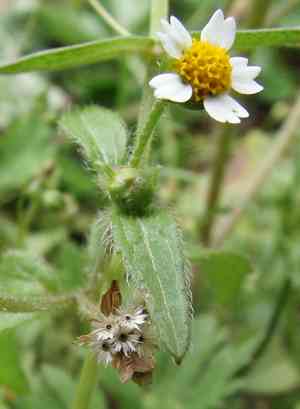
Purplehead sneezeweed flourishes when propagated by seeding. For optimal development, verify that the planting substrate drains efficiently and remains uniformly damp. Seeds require a thin layer of soil coverage, given that purplehead sneezeweed benefits from some illumination for successful germination. Sustained humidity and adequate air movement around the young plants will facilitate their progress. After they are rooted, purplehead sneezeweed sprouts ought to be meticulously relocated to a brighter spot to encourage robust vitality and blooming.
Optimal Time for Purplehead Sneezeweed Propagation
Propagation Method
Seeding
Propagation Period
Spring
Tools for Purplehead Sneezeweed Propagation
Seed trays
Seed trays are crucial for sowing purplehead sneezeweed seeds, offering a controlled environment for initial development. This tool enables even seed distribution, ensuring each has ample space to grow without crowding, which is vital for good air circulation and preventing fungal issues.
Fine vermiculite or perlite
Applying a thin layer of vermiculite or perlite over sown seeds improves moisture retention and insulates against temperature shifts. This is especially beneficial for purplehead sneezeweed, helping maintain consistent moisture around seeds, which is key for germination.
Watering can with a fine rose
A watering can equipped with a fine rose attachment is perfect for gently irrigating purplehead sneezeweed seeds. It ensures a delicate, uniform water spread, preventing seed disturbance or soil erosion that could expose or dislodge them.
Plastic dome or clear cover
A plastic dome or clear cover fits over seed trays to create a mini-greenhouse. This tool helps maintain high humidity and stable temperatures, both essential for purplehead sneezeweed seed germination.
Labels and markers
Labels and markers are simple yet essential for tracking the specific purplehead sneezeweed variety being propagated. They prevent confusion, especially when propagating multiple types, ensuring correct care for each group.
How to Propagate Purplehead Sneezeweed?
Propagation Difficulty
Simple
Caring for Newly Propagated Purplehead Sneezeweed
Caring for Newly Propagated Purplehead Sneezeweed
After successful purplehead sneezeweed propagation, continue caring for young plants by ensuring full to partial sunlight and regular watering, allowing soil to dry slightly between waterings. As they grow, feed monthly with balanced liquid fertilizer during the growing season. Transplant seedlings to larger pots or the garden when robust enough. Mulching helps retain soil moisture and suppress weeds.
Common Errors to Avoid When Propagating Purplehead Sneezeweed
Overwatering
Excessive watering can cause root rot in purplehead sneezeweed, which thrives in well-drained soil. Too much moisture can suffocate roots, hindering nutrient absorption and increasing disease susceptibility.
Deep planting
When propagating purplehead sneezeweed, planting cuttings or seeds too deeply can impede proper sprouting. This may lead to poor root development and reduced survival rates.
Ignoring pest control
Neglecting pest management during propagation can result in infestations that weaken or kill young purplehead sneezeweed plants before they fully mature.
Tips For Propagating Purplehead Sneezeweed
Moisture management
Ensure the soil is moist but drains well. Purplehead sneezeweed needs a balance to promote healthy root growth without waterlogging.
Use healthy parent plants
Propagating purplehead sneezeweed from healthy, disease-free parent plants guarantees the genetic quality and vigor of the offspring, leading to more robust plants.
Pest and disease monitoring
Regularly inspecting new purplehead sneezeweed plants for pest and disease signs can prevent minor issues from escalating, thereby increasing the likelihood of successful propagation.



