How to Prune Purplehead sneezeweed?
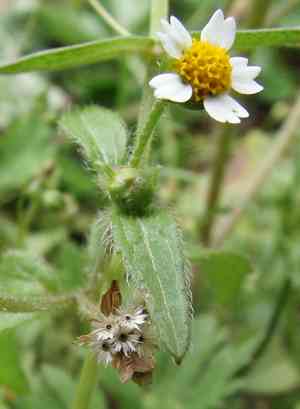
A perennial featuring vivid, daisy-like blossoms, purplehead sneezeweed flourishes with consistent upkeep. Essential trimming methods involve removing faded flowers to encourage additional blooming and reducing foliage in autumn for winter rest. The best times for pruning are during its flowering phase from late spring to summer and in early autumn. Prompt trimming benefits purplehead sneezeweed by improving its development for the subsequent season, controlling its dimensions, and inhibiting the dissemination of illnesses.
What Are the Benefits of Pruning Purplehead Sneezeweed?
What Are the Benefits of Pruning Purplehead Sneezeweed?
Trimming purplehead sneezeweed promotes abundant flowering, stimulates vigorous development, and helps maintain an attractive form. This precise cutting is essential for optimizing the plant's health and visual appeal.
What Is the Best Time for Pruning Purplehead Sneezeweed?
What Is the Best Time for Pruning Purplehead Sneezeweed?
Pruning purplehead sneezeweed in late winter or early spring is optimal as it occurs just before new growth begins, allowing the plant to recover quickly and produce fresh shoots. Summer pruning after flowering helps remove spent blooms, potentially encouraging a second flush and preserving the plant's look. Autumn pruning should be limited to light shaping and removing dead or damaged foliage, as heavy pruning can lead to frost damage on new growth.
What Tools Do I Need to Prune Purplehead Sneezeweed?
Bypass Pruners
These pruners create clean cuts through the stems of purplehead sneezeweed without crushing plant tissue, which is vital for the plant's well-being and recovery post-pruning.
Gloves
To safeguard hands when working with purplehead sneezeweed, which may have rough foliage that can cause irritation.
Garden Scissors
Perfect for deadheading purplehead sneezeweed by snipping off faded flowers to encourage more blooms.
Pruning Shears
Sharp shears are necessary for shaping and managing the size of purplehead sneezeweed, ensuring precise cuts to maintain the desired plant structure.
Long-handled Loppers
These are useful for reaching into the dense growth of purplehead sneezeweed for thinning and removing larger, woodier stems.
How to Prune Purplehead Sneezeweed
Remove Diseased Leaves
Identify and eliminate any diseased leaves from purplehead sneezeweed to prevent infection spread. Carefully cut the leaves at the stem's base using clean, sharp shears.
Trim Withered Leaves
Remove withered leaves from purplehead sneezeweed to maintain healthy growth and overall appearance. Cut these leaves where they meet the stem, being careful not to harm new growth.
Deadhead Flowers
Deadhead spent flowers on purplehead sneezeweed by cutting the faded flower heads back to the nearest set of leaves. This encourages purplehead sneezeweed to produce new blooms and can extend the flowering period.
Shape Plant
Shape purplehead sneezeweed after removing withered and diseased parts by trimming any excessively long or awkwardly placed stems to maintain a tidy appearance. Follow the plant's natural form, cutting stems at a 45-degree angle just above a leaf node.
Cleanup
After pruning purplehead sneezeweed, clear away all removed plant material from the surrounding area to deter pests and diseases from lingering or spreading.
Common Pruning Mistakes with Purplehead Sneezeweed
Over pruning
Removing too much foliage or too many stems from purplehead sneezeweed can stress the plant and diminish its vigor. This can result in fewer blooms and a weakened plant more vulnerable to diseases and pests.
Improper cut location
Cutting too far above or below the leaf nodes when pruning purplehead sneezeweed can lead to unsightly stubs or damage to potential growth points. It is crucial to make clean cuts just above a set of leaves or branching point to encourage healthy new growth.
Using dull tools
Pruning purplehead sneezeweed with dull or dirty tools can cause unnecessary damage to the plant tissue, making it more susceptible to infection. Always use sharp, clean pruning shears to make precise cuts.
Ignoring plant structure
Failing to consider the natural shape and growth habit of purplehead sneezeweed can result in a misshapen plant. Prune with the intention of preserving the plant’s natural form.
Pruning in wet conditions
Trimming purplehead sneezeweed when the plant or the weather is wet may spread diseases. The best practice is to prune when the plant is dry.
Neglecting deadheading
Failing to remove spent flowers, known as deadheading, can limit purplehead sneezeweed blooming potential, as it allows the plant to start forming seed heads instead of new flowers.
Common Pruning Tips for Purplehead Sneezeweed
Selective pruning
Encourage bushier growth and more flowers by selectively removing certain stems of purplehead sneezeweed. This method ensures that energy is directed toward the production of new blooms rather than maintaining older, less productive parts of the plant.
Thinning out
Thin out crowded areas of purplehead sneezeweed to increase air circulation, which helps prevent the onset of fungal diseases. This involves removing some of the inner stems and branches at their base, particularly those that are crossing or rubbing against each other.
Maintenance pruning
Regularly remove dead or damaged stems from purplehead sneezeweed to maintain the plant's health and aesthetic appeal. Cut back to a healthy set of leaves or a new outward-facing bud to promote desirable growth.
Rejuvenation pruning
If purplehead sneezeweed has become overgrown or is producing fewer flowers than usual, rejuvenation pruning can stimulate new, vigorous growth. This technique involves cutting back the entire plant to a few inches above the ground, but should be done sparingly and only when necessary.
Post-bloom pruning
Cut back purplehead sneezeweed after the main blooming period has passed to clean up the plant's appearance and sometimes prompt a second flush of flowers. This keeps the plant tidy and focuses its energy on strong growth for the next season.
Sanitize tools
Prioritize sanitation by cleaning pruning tools before and after tending to purplehead sneezeweed. This practice prevents the spread of disease between plants in the garden.



