How to Transplant Fringed sneezeweed?
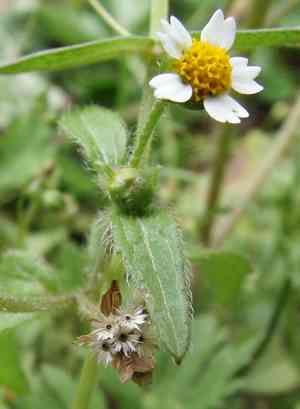
Fringed sneezeweed flourishes when relocated during the peak of its growth period, since steady warmth and illumination facilitate robust root development. Select a bright, adequately drained spot, steering clear of shaded or excessively moist zones.
What Preparations are Needed Before Relocating Fringed Sneezeweed?
What is the Ideal Time for Relocating Fringed Sneezeweed?
Fringed sneezeweed should ideally be moved in late spring to early summer. This period ensures warmer soil temperatures and consistent moisture levels, promoting root establishment. Relocating during this time allows fringed sneezeweed to grow robustly before facing cooler temperatures. It also ensures the plant takes full advantage of the longer daylight hours for optimal growth and bloom.
How Much Space Should You Leave Between Fringed Sneezeweed Plants?
When relocating fringed sneezeweed, make sure to space each plant 12-18 inches (30-45 cm) apart. This ensures they have enough room to grow and thrive without crowding each other, promoting healthy development and vibrant blooms.
What is the Best Soil Mix for Fringed Sneezeweed Relocation?
For relocating fringed sneezeweed, choose well-draining soil, ideally a sandy loam. Before planting, mix in a balanced base fertilizer, such as a 10-10-10 (N-P-K) formula, to enrich the soil and provide essential nutrients for robust growth.
Where Should You Relocate Your Fringed Sneezeweed?
Ensure fringed sneezeweed is placed in a location that receives full sun, at least 6-8 hours a day. Adequate sunlight is crucial for this annual to produce its best blooms and thrive throughout the growing season.
What Equipments Should You Prepare Before Relocating Fringed Sneezeweed?
Gardening Gloves
To protect your hands while working with the soil and plant.
Shovel or Spade
To dig around the plant and prepare the new planting hole.
Garden Trowel
For more precise digging and lifting of the plant.
Watering Can or Hose
To water the plant before and after relocating.
Mulch
To help retain moisture around the newly relocated plant.
Garden Kneeler or Pad
To provide comfort while kneeling and working on the ground.
Transplanting Fertilizer
To support the plant's root establishment in the new location.
How Do You Remove Fringed Sneezeweed from the Soil?
How Do You Remove Fringed Sneezeweed from the Soil?
From Ground: First, water the fringed sneezeweed plant to dampen the soil. Then, dig a wide trench around the plant using a shovel or spade, ensuring the plant's root ball remains intact. Carefully work the spade under the root ball to lift the plant from its original location.From Pot: Gently water the fringed sneezeweed plant to loosen the soil. Tip the pot to the side and tap it to release the root ball. Carefully slide the plant out of the pot, supporting the root ball with your hand.From Seedling Tray: Water the fringed sneezeweed seedlings to make the soil easier to work with. Use a garden trowel or your fingers to carefully lift each seedling from the tray, making sure to handle each by the root ball to avoid damaging the stem.
Step-by-Step Guide for Relocating Fringed Sneezeweed
Prepare the New Site
Dig a hole in the new location that is twice the width and the same depth as the root ball of the fringed sneezeweed plant.
Amend the Soil
If required, mix compost or transplanting fertilizer into the soil in the hole to help the fringed sneezeweed establish roots.
Relocate the Plant
Place the fringed sneezeweed plant in the center of the hole, ensuring the top of the root ball is level with the surrounding soil. Backfill the hole with soil, gently pressing it around the root ball to eliminate air pockets.
Water Thoroughly
Water the newly relocated fringed sneezeweed thoroughly to settle the soil around the roots and provide initial hydration.
Apply Mulch
Layer mulch around the base of the fringed sneezeweed plant, keeping it a few inches away from the stem to prevent rot. This helps retain moisture and reduce weeds.
How Do You Care For Fringed Sneezeweed After Relocating?
Watering
Keep the soil around the fringed sneezeweed consistently moist, but not soggy, for the first few weeks after relocating to help establish strong roots.
Monitoring
Check the fringed sneezeweed plant regularly for signs of stress or transplant shock, such as wilting or yellowing leaves, and take corrective actions if needed.
Pruning
Trim any damaged or dead leaves to encourage new growth and improve overall plant health.
Fertilizing
After a few weeks, consider using a balanced liquid fertilizer to give the fringed sneezeweed plant an extra nutrient boost.
Troubleshooting Common Issues with Fringed Sneezeweed Relocation.
When is the best time to relocate fringed sneezeweed?
The optimal time is during late spring or early summer for best results.
How far apart should I space fringed sneezeweed when relocating?
Space the plants 12-18 inches (30-46 cm) apart to ensure proper growth.
What type of soil is best for relocating fringed sneezeweed?
Use well-draining, fertile soil to keep your fringed sneezeweed healthy and thriving.
How deep should I plant fringed sneezeweed?
Plant fringed sneezeweed at the same depth it was growing in its original location.
How should I prepare the soil before relocating fringed sneezeweed?
Loosen and enrich the soil with compost to create a nutrient-rich environment.
How can I prevent transplant shock in fringed sneezeweed?
Water the plant thoroughly before and after relocating to ease the transition.
Should I prune fringed sneezeweed before relocating?
Lightly prune damaged or long roots but avoid excessive pruning to reduce stress.
Do I need to fertilize fringed sneezeweed after relocating?
Applying a balanced fertilizer can help establish the plant, but avoid over-fertilizing.
How often should I water fringed sneezeweed after relocating?
Water regularly to keep the soil moist but not soggy, especially right after relocating.
What are common pests to watch out for after relocating fringed sneezeweed?
Keep an eye out for aphids and spider mites and treat them promptly if detected.



