How to Propagate Fringed sneezeweed?
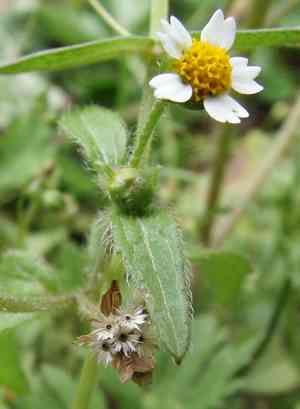
Helenium autumnale, a member of the Asteraceae family, flourishes optimally in adequately draining, damp substrates and abundant sunlight. To propagate via seeding, ready seed containers with a lightweight growing medium, delicately embed the seeds onto the surface, and maintain continuous moisture. Strive for a warm setting to stimulate sprouting. Relocate young plants once they are robust enough to manage, and guarantee sufficient room for development. Regular attention yields vigorous, thriving specimens.
Optimal Time for Fringed Sneezeweed Propagation
Propagation Method
Seeding
Propagation Period
Spring
Tools for Fringed Sneezeweed Propagation
Seed Trays
Seed trays are vital for germinating fringed sneezeweed seeds. They offer a controlled setting for sprouting, allowing for consistent moisture and ideal spacing. This promotes high germination rates and robust seedling growth.
Seed Starting Mix
A premium seed starting mix is essential for planting fringed sneezeweed seeds. It supplies necessary nutrients and good drainage to foster strong root development and prevent seedling ailments like damping-off.
Humidity Dome
Employing a humidity dome over seed trays helps maintain steady humidity, crucial for fringed sneezeweed seed germination. This prevents desiccation and provides a warm, moist environment that speeds up sprouting.
Heat Mat
A heat mat positioned beneath seed trays can provide consistent warmth from below, which benefits fringed sneezeweed seed germination, especially in cooler climates. Keeping soil temperature around 70-75°F can significantly boost germination rates.
Spray Bottle
A spray bottle is useful for misting the soil surface to keep it damp without disturbing seeds or causing soil displacement, ensuring fringed sneezeweed seeds stay consistently moist but not saturated.
Labels and Markers
Clearly labeling each tray with the sowing date and plant name ensures correct identification and tracking during fringed sneezeweed propagation, important when managing multiple trays or different species.
Handheld Seed Sower
A handheld seed sower assists in the precise and even dispersal of small fringed sneezeweed seeds. This prevents overcrowding and ensures each seed has ample room to develop into a healthy seedling.
Transplanting Tool
A small transplanting tool, such as a dibber or fork, helps in carefully moving seedlings from the seed tray to their next growing spot without harming the delicate roots of fringed sneezeweed.
Grow Lights
Supplemental grow lights ensure fringed sneezeweed seedlings receive sufficient illumination, especially if sowing indoors or during seasons with limited natural light. Proper lighting encourages healthy, vigorous growth.
Propagating Fringed Sneezeweed
Propagation Difficulty
Easy
Caring for Your Newly Propagated Fringed Sneezeweed
Caring for Your Newly Propagated Fringed Sneezeweed
Maintain a consistent watering schedule, ensuring the soil remains uniformly moist but not waterlogged. Apply a balanced, slow-release fertilizer to support robust growth. Remove spent flowers to encourage continuous blooming, and monitor for pests or diseases such as aphids or powdery mildew. Ensure fringed sneezeweed receives full sun to partial shade and thrives in slightly acidic to neutral soil conditions.
Common Errors to Avoid When Propagating Fringed Sneezeweed
Overwatering
Excessive moisture can lead to root rot and fungal infections, severely impacting the health and development of fringed sneezeweed.
Insufficient Sunlight
A lack of adequate sunlight can impede the photosynthesis process, causing the plant to become weak and leggy.
Using Unsuitable Soil
Soil that is too dense or retains too much moisture can hinder proper root development and drainage.
Poor Pest Management
Neglecting pest control can result in infestations that damage the plant's leaves and stems, disrupting its growth cycle.
Tips For Propagating Fringed Sneezeweed
Well-Drained Soil
Utilize soil with good drainage to prevent roots from sitting in water, thereby avoiding root rot.
Adequate Sunlight
Position fringed sneezeweed in a spot where it can receive at least 6 hours of direct sunlight daily.
Regular Monitoring
Periodically check for pests and disease symptoms, and implement preventative measures to maintain plant vitality.
Proper Watering
Water the plant when the top inch of soil feels dry, avoiding waterlogging which causes root rot.



