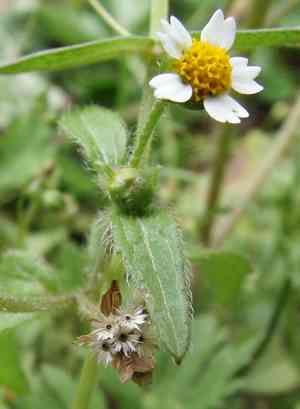
Fringed sneezeweed (Helenium drummondii)
Also known as: Drummond's sneezeweed
Fringed sneezeweed (Helenium drummondii) thrives in wet habitats like swamps, bogs, and ditches. The genus name, Helenium, is derived from Helen of Troy, as legend says flowers sprouted from her tears. The species name, drummondii, honors Scottish naturalist Thomas Drummond.
In This Article
Attributes of Fringed sneezeweed
Lifespan
Annual
Plant Type
Herb
Plant Height
30 cm to 91 cm
Spread
N/A
Leaf Color
Green
Flower Size
2 to 3 inches
Flower Color
Bright yellow
Images of Fringed sneezeweed
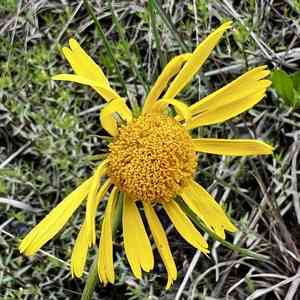
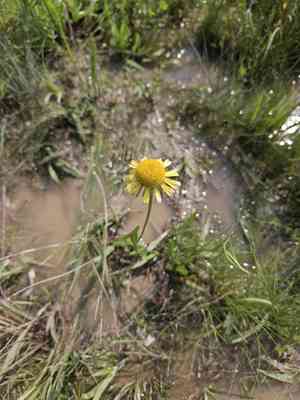

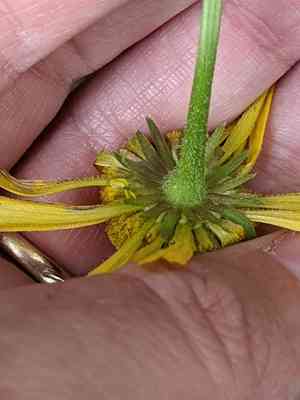
Quickly Identify Fringed sneezeweed
1
This plant can be identified by its distinct bright yellow flowers, daisy-like appearance, and the presence of a slightly rounded central disk. It typically grows in wet, marshy areas.
Scientific Classification of Fringed sneezeweed
Phylum
Vascular plants
Class
Dicotyledons
Order
Asterales
Family
Daisy
Genus
Sneezeweeds
Species
Fringed sneezeweed
Planting and Growing of Fringed sneezeweed
Care Difficulty
Easy
Watering Schedule
Every 2 days
Sunlight Requirements
Full sun
Sunshine Duration
6-10 hours
Ideal Temperature
60-75℉
Soil Type
Potting Mix, Peat Mix
Soil pH
6.5-7.5
Fertilizer Type
Balanced
Pruning Season
Spring, Summer
Pruning Area
Branches, Leaves
Pruning Frequency
2 times a year
Repotting Season
Spring
Pot Type
Plastic, Ceramic
 How to Water Fringed sneezeweed?
Helenium drummondii requires just the right amount of water to thrive. Ensure that the soil is evenly moist but not waterlogged, using about 250 ml per watering session. The goal is to maintain consistent soil moisture without allowing the roots to sit in water. Always check that the top inch of the soil has started to dry before the next watering round.
What are the symptoms of an underwatered Fringed sneezeweed?
›
What should I do if my Fringed sneezeweed is not getting enough water?
›
What are the symptoms of an overwatered Fringed sneezeweed?
›
How to save an overwatered Fringed sneezeweed?
›
 What Are the Sunlight Requirements for Fringed sneezeweed?
Helenium drummondii flourishes with half to full-day sunlight. Ideal light fosters robust growth and vibrant blooms, maximizing its ornamental appeal and health.
What is the ideal lighting condition for Helenium drummondii?
›
How can I achieve the ideal lighting conditions?
›
What benefits does the ideal lighting condition provide?
›
 What Is the Ideal Temperature Range for Fringed sneezeweed?
Helenium drummondii thrives best in temperatures ranging from 60°F to 75°F. These conditions provide the necessary warmth for optimal growth and bloom production. Within this range, the plant can efficiently perform photosynthesis, maintain robust growth, and exhibit vibrant flowering. These temperatures often coincide with spring and early fall conditions, allowing for optimal outdoor planting in these seasons.
 What Soil is Best for Fringed sneezeweed?
Helenium drummondii thrives in well-drained soil which prevents root rot and allows proper oxygen flow to the roots. It enhances the plant's growth by avoiding waterlogging while supporting robust root development. A nutrient-rich soil is essential for Helenium drummondii, providing the necessary minerals and organic matter crucial for healthy growth. This ensures vibrant blooms and strong stems throughout the growing season. This plant exhibits its best performance with soil that maintains consistent moisture without being overly wet. Proper moisture levels aid in nutrient absorption and help in maintaining the structural integrity of the plant.
 How to Fertilize Fringed sneezeweed?
For Helenium drummondii, using a balanced NPK (10-10-10) liquid fertilizer at a rate of half a teaspoon per gallon of water is suitable. When applying solid slow-release fertilizers, ensure to use approximately one tablespoon per square foot of soil to promote healthy growth without over-fertilizing.
 How to Prune Fringed sneezeweed?
Start the pruning process by removing any dead or damaged stems. This not only improves the plant’s appearance but also allows more light and air to reach the plant’s interior. After removing dead material, focus on shaping the plant. Trim back any sections that are excessively taller than the rest to encourage even growth. This will help maintain a balanced appearance. To promote continuous blooming, cut back spent blooms to the nearest set of leaves. This directs the plant’s energy towards generating new flowers.
More About Pruning Techniques→
 How to Propagate Fringed sneezeweed plant?
1
Choose robust and healthy parent plants free from diseases and pests. The overall health of the parent plant significantly affects the success of propagation.
2
Use a well-draining potting mix or soil to ensure proper aeration and moisture retention. This creates an ideal environment for young roots to develop.
3
Carefully plant seeds at the recommended depth or insert cuttings into the prepared soil with rooting hormone. Ensure adequate spacing to promote healthy growth.
 How to Repot Fringed sneezeweed plant?
1
Repot Helenium drummondii when you notice roots protruding from the drainage holes or the growth becomes stunted. Another clear sign is when water doesn't penetrate well and drains off too quickly. Ideally, repot in the growing season for minimal shock.
2
Select a pot that is one size larger than the current one, with excellent drainage holes to prevent waterlogging. Clay pots are preferable as they allow the roots to breathe, maintaining appropriate moisture levels, conducive to healthy root development.
3
Choose a well-draining loamy soil rich in organic matter. This type of soil ensures the roots are well-aerated while retaining adequate moisture. It promotes vigorous growth and helps in the prevention of root rot by draining excess water efficiently.
Toxicity
Ingestion
WARNING
The judgment on toxicity and danger is for reference only. We DO NOT GUARANTEE any accuracy of such judgment. Therefore, you SHALL NOT rely on such judgment. It is IMPORTANT TO SEEK PROFESSIONAL ADVICE in advance when necessary.
Learn More About Fringed sneezeweed Diseases
Anthracnose
Bacterial Leaf Spot
Bacterial Wilt
Crown Gall
Cyst Nematode
Damping-off
Downy Mildew
Drought Stress
Fusarium Wilt
Gray Mold
Leaf Spot
Mosaic
Nutrient Deficiency
Nutrient Toxicity
Powdery Mildew
Root Rot
Root-knot Nematode
Rusts
Sooty Mold
Spider Mites
Temperature Stress
Thrips Damage
White Mold



