How to Prune Fringed sneezeweed?
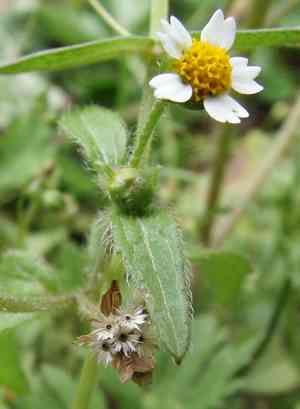
Distinguished by its vivid yellow blossoms and serrated petals, Helenium autumnale thrives with consistent trimming to foster denser development and increased floral production. The most effective periods for pruning are during spring, summer, and autumn, coinciding with its active growth phases. Remove any withered or compromised stalks to preserve its well-being, and deadhead faded blooms to encourage ongoing flowering. Strategic pruning aids in controlling the plant's dimensions, averting sparse growth, and improving its general aesthetic, leading to strong and lively presentations.
What Are the Benefits of Pruning Fringed Sneezeweed?
What Are the Benefits of Pruning Fringed Sneezeweed?
Pruning Fringed Sneezeweed encourages robust development, maintains a desired form, and boosts blooming. This method helps manage its size and prevents elongated stems, resulting in a healthier, more visually appealing plant.
What Is the Best Time for Pruning Fringed Sneezeweed?
What Is the Best Time for Pruning Fringed Sneezeweed?
Trimming Fringed Sneezeweed in spring, summer, and fall offers various advantages. In spring, pruning eliminates winter damage and stimulates vigorous new growth. This is vital for Fringed Sneezeweed as it prepares for its active growth phase. Summer pruning, typically post-flowering, helps maintain the plant's shape and prevents legginess, ensuring better air circulation and reducing disease risk. Fall pruning allows gardeners to cut back overgrown areas and prepare Fringed Sneezeweed for dormancy. Avoid winter pruning as it can weaken the plant and make it vulnerable to frost damage.
What Tools Do I Need to Prune Fringed Sneezeweed?
Hand Pruners
Perfect for precise cuts on small stems and deadheading flowers, which is essential for encouraging more blooms in Fringed Sneezeweed.
Bypass Pruners
Useful for cutting live stems up to 1/2 inch thick. Bypass pruners create clean cuts that help prevent damage to the plant tissue.
Pruning Shears
These shears are excellent for trimming multiple stems simultaneously and maintaining the overall shape of Fringed Sneezeweed.
Loppers
Essential for removing thicker stems and branches that are too large for hand pruners but still crucial for shaping and maintaining Fringed Sneezeweed.
Gloves
Protective gloves are vital to shield your hands from minor scrapes or irritants while pruning Fringed Sneezeweed.
Disinfectant
Use disinfectant to clean tools before and after pruning Fringed Sneezeweed to prevent disease transmission.
How to Prune Fringed Sneezeweed
Inspect
Thoroughly examine Fringed Sneezeweed for any wilted leaves, identifying the parts that require removal.
Sanitize
Sterilize your pruning shears or scissors with rubbing alcohol to prevent any disease spread.
Cut
Carefully trim the withered leaves by cutting just above the base of each leaf. Ensure you do not harm the healthy parts of the plant.
Dispose
Collect and discard the removed leaves away from the garden to prevent any potential spread of disease.
Observe
Monitor the trimmed plant for any signs of additional stress or disease, adjusting care as necessary.
Common Pruning Mistakes with Fringed Sneezeweed
Improper Technique
Using dull or incorrect tools can cause unnecessary harm to the plant. Improper cuts can also leave the plant vulnerable to disease and pests.
Incorrect Timing
Pruning at the wrong time, especially during extreme weather conditions, can stress the plant. This can hinder proper healing and regrowth.
Over-pruning
Removing too much foliage at once can weaken Fringed Sneezeweed by reducing its ability to photosynthesize, potentially leading to stunted growth or even plant death.
Random Cutting
Haphazardly cutting branches without understanding the plant’s growth pattern can lead to unbalanced growth and poor air circulation within the plant.
Common Pruning Tips for Fringed Sneezeweed
Use Sharp, Clean Tools
Always use sharp, clean pruning shears or tools to make precise cuts, reducing the chances of introducing diseases.
Prune Gradually
Remove a small amount of growth at a time. Gradual pruning encourages healthy, robust growth while avoiding plant shock.
Focus on Damaged and Diseased Growth
Prioritize removing any damaged, diseased, or dead branches to keep Fringed Sneezeweed healthy and promote better air circulation.
Thin Out Congested Areas
Thinning out thick, congested areas improves airflow and light penetration, promoting healthier growth and reducing the risk of fungal infections.
Maintain Shape and Structure
Regularly check and maintain the shape and structure of Fringed Sneezeweed, ensuring that it grows in a balanced and attractive form. This practice also makes the plant more resilient.



