How to Transplant Alpine sweet-vetch?
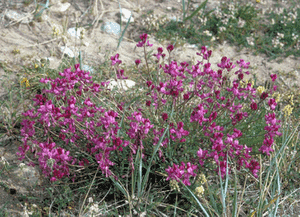
Relocating alpine sweet-vetch is most effective from early to mid-spring, coinciding with the emergence of fresh shoots. Select a brightly lit location featuring soil that drains efficiently to foster robust growth. Bear in mind that careful handling is crucial for reducing the plant's distress.
Necessary Preparations Before Relocating Alpine Sweet-vetch?
Optimal Period for Moving Alpine Sweet-vetch?
The best time to move alpine sweet-vetch is during early to mid-spring, as the plant awakens from dormancy and its roots are actively growing. Transplanting at this point promotes better root establishment and minimizes shock, leading to healthier development. This timing also allows alpine sweet-vetch to fully benefit from the growing season for peak growth.
Recommended Spacing Between Alpine Sweet-vetch Plants?
When getting ready to move alpine sweet-vetch, aim to position plants approximately 12-18 inches (30-45 cm) apart. This provides ample room for growth and prevents excessive competition for nutrients and sunlight.
Ideal Soil Mixture for Alpine Sweet-vetch Relocation?
For alpine sweet-vetch, select soil that drains well. Incorporate some organic compost and a balanced base fertilizer to enrich the soil. A loamy soil type is most suitable, and it should be kept consistently moist but not waterlogged.
Where to Replant Your Alpine Sweet-vetch?
Choose a sunny location for replanting alpine sweet-vetch. This plant thrives with at least 6-8 hours of direct sunlight daily. A spot with some afternoon shade can also be effective, particularly in warmer climates.
Equipment Needed Before Relocating Alpine Sweet-vetch?
Gardening Gloves
To safeguard your hands while handling soil and the plant.
Shovel or Spade
For digging holes and lifting the plant from its original spot.
Garden Trowel
For more precise digging and careful root handling.
Watering Can or Hose
To hydrate the plant before and after its move.
Bucket or Container
To transport the plant if required.
Mulch
To help retain moisture around the plant post-transplant.
Stakes and Ties
To offer support to the plant if needed after relocation.
How to Extract Alpine Sweet-vetch from the Ground?
How to Extract Alpine Sweet-vetch from the Ground?
From Ground: First, water the alpine sweet-vetch plant to moisten the soil. Next, dig a wide trench around the plant using a shovel or spade, ensuring the plant's root ball remains intact. Carefully work the spade beneath the root ball to lift the plant from its initial position.From Pot: Water the alpine sweet-vetch plant thoroughly before removal. Gently tilt the pot sideways and tap the bottom to loosen the plant. Slide the plant out, making sure the root ball stays whole. Use a garden trowel to assist in easing the plant out if necessary.From Seedling Tray: Water the seedlings prior to removal. Use a garden trowel or your fingers to carefully lift the seedlings from the tray, taking care not to harm the delicate roots. Hold the seedling by its leaves rather than the stem to prevent damage.
Step-by-Step Guide for Relocating Alpine Sweet-vetch
Site Preparation
Prepare the planting area by digging a hole that is twice the width and the same depth as the alpine sweet-vetch plant's root ball.
Soil Preparation
Ensure the soil at the base of the hole is loosened and free of rocks or debris to facilitate easy new root growth.
Plant Placement
Position the alpine sweet-vetch plant in the hole, making sure the top of the root ball is level with or slightly above the surrounding soil. Adjust the soil underneath if needed.
Soil Backfill
Fill the hole with soil around the roots, gently pressing down to remove air pockets. Be careful not to over-compact the soil.
Watering
After planting, thoroughly water the alpine sweet-vetch plant to help settle the soil and ensure good root-to-soil contact.
Apply Mulch
Spread a layer of mulch around the base of the alpine sweet-vetch plant to conserve moisture and stabilize soil temperature.
Post-Transplant Care for Alpine Sweet-vetch
Watering
Keep the soil around the alpine sweet-vetch consistently moist, but not waterlogged, for the initial weeks after transplanting to aid in developing strong roots.
Monitoring
Regularly inspect the alpine sweet-vetch plant for indications of stress, such as wilting or yellowing leaves, and adjust care as needed.
Staking
If the alpine sweet-vetch plant appears unstable or is susceptible to wind damage, use stakes and ties to provide additional support.
Weeding
Maintain a weed-free area around the alpine sweet-vetch plant to minimize competition for water and nutrients.
Addressing Common Issues with Alpine Sweet-vetch Relocation.
When is the best time to move alpine sweet-vetch?
The perfect time to relocate alpine sweet-vetch is in early to mid-spring when the ground is workable.
How much space does alpine sweet-vetch need when being moved?
Alpine sweet-vetch requires spacing of 12 to 18 inches (30 to 45 cm) for optimal development.
How do I prepare the soil for moving alpine sweet-vetch?
Prepare well-draining soil, enriched with compost, ensuring it is loose and aerated.
Should I water alpine sweet-vetch immediately after moving it?
Yes, water alpine sweet-vetch thoroughly right after transplanting to help settle the soil around its roots.
How deep should I plant alpine sweet-vetch during relocation?
Plant alpine sweet-vetch at the same depth it was growing in its original pot or location.
What if alpine sweet-vetch shows signs of transplant shock?
Ensure consistent watering, provide shade, and avoid fertilizing until new growth appears to aid recovery from shock.
Is it necessary to trim alpine sweet-vetch during relocation?
Trimming damaged or dead roots can be beneficial, but avoid excessive pruning of the foliage.
How can I improve drainage for the new planting site?
Incorporate sand or perlite into the soil to enhance drainage and prevent waterlogging.
What should the temperature be when moving alpine sweet-vetch?
The ideal temperature for relocating alpine sweet-vetch ranges from 50°F to 70°F (10°C to 21°C).
How often should I water alpine sweet-vetch after moving?
Water alpine sweet-vetch regularly to keep the soil moist but not waterlogged until established, typically on a weekly basis.



