How to Propagate Alpine sweet-vetch?
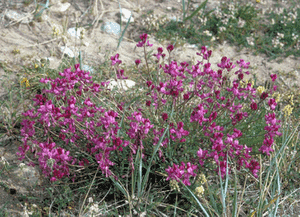
To propagate alpine sweet-vetch, it's crucial to stratify the seeds, with a thin layer of earth aiding their sprouting. A growing substrate that drains effectively and consistent hydration will sustain ideal conditions for development. Preventing overly saturated soil will be advantageous for root formation. Employing cold stratification before planting enhances the success rate of seedlings. Starting them in containers provides superior management of environmental factors before relocating them to an exterior location that aligns with alpine sweet-vetch's requirements.
Optimal Period for Alpine Sweet-vetch Propagation
Propagation Method
Seeding
Propagation Period
Spring
Tools Required for Alpine Sweet-vetch Propagation
Seed Trays
These offer a controlled setting for planting and initial development of alpine sweet-vetch seeds, guaranteeing prime conditions for sprouting, including moisture and temperature regulation.
Seed Compost
A specialized mix providing the correct nutritional balance and texture, vital for the early developmental phases of alpine sweet-vetch, ensuring seeds get essential nutrients.
Watering Can with Fine Rose
Ensures gentle irrigation that does not dislodge seeds or disturb fragile alpine sweet-vetch seedlings, maintaining necessary moisture levels for germination and growth.
Propagation Dome
Helps maintain humidity and warmth, crucial for creating an ideal microclimate for alpine sweet-vetch seeds to sprout effectively.
Label Markers
Important for distinguishing different trays or sections when planting multiple seeds, preventing confusion and ensuring accurate tracking of alpine sweet-vetch's development.
Heat Mat
Provides consistent warmth, crucial for accelerating the germination process of alpine sweet-vetch, especially in cooler environments.
Fine-tip Tweezers
Useful for handling small or delicate seeds, reducing damage and ensuring precise placement when sowing alpine sweet-vetch.
Sterile Tools and Equipment
Crucial for preventing the introduction of pathogens, thereby protecting the health of alpine sweet-vetch during propagation.
Grow Lights
Supplementary lighting ensures that alpine sweet-vetch's seedlings receive adequate light, promoting robust growth, especially in low-light conditions.
How to Propagate Alpine Sweet-vetch?
Propagation Type
Simple
Post-Propagation Care for Alpine Sweet-vetch
Post-Propagation Care for Alpine Sweet-vetch
After propagating alpine sweet-vetch, ensure the young plants receive ample sunlight and moderate hydration. Gradually introduce them to outdoor conditions if started indoors. Maintain well-drained soil and avoid excessive watering, as alpine sweet-vetch prefers slightly drier conditions once established. Regularly check for pests and diseases, and provide support if necessary as the plants grow.
Common Errors to Avoid When Propagating Alpine Sweet-vetch
Improper Seed Stratification
Failing to provide a cold, moist period before germination can impede seed sprouting.
Overwatering
Excessive watering can lead to root rot and fungal infections.
Incorrect Soil Type
Using soil that is too rich in organic matter can stunt growth and lead to nutrient imbalances.
Lack of Sunlight
Insufficient light can result in weak, spindly seedlings that are less likely to thrive.
Advice for Propagating Alpine Sweet-vetch
Cold Stratification
Mimic winter conditions by placing seeds in a moist medium in the refrigerator for several weeks.
Well-Drained Soil
Utilize a sandy or rocky soil mix to prevent root rot and provide adequate aeration.
Moderate Watering
Keep the soil slightly moist, allowing it to dry out between waterings to avoid overwatering.
Adequate Light
Ensure seedlings receive plenty of sunlight daily, preferably full sun, to encourage healthy growth.



