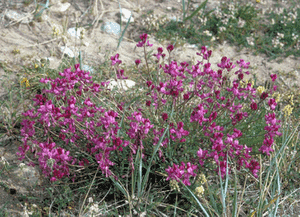
Alpine sweet-vetch (Hedysarum alpinum)
Also known as: Alpine Sweetvetch, Eskimo Potato, Wild Potato
The Alpine sweet-vetch is a resilient perennial characterized by its pinnate leaves and clusters of fragrant pink to purple flowers. Its deep taproot system is crucial for survival in alpine and subarctic regions, allowing it to flourish in meadows and open forest landscapes. The plant's legume seed pods not only enable effective self-seeding but also provide nourishment for local wildlife, supporting the ecosystem.
In This Article
Attributes of Alpine sweet-vetch
Lifespan
Perennial
Plant Type
Herb
Plant Height
30 cm to 91 cm
Spread
30-60 cm
Leaf Color
Green
Flower Size
0.5-1 cm
Flower Color
Purple Pink
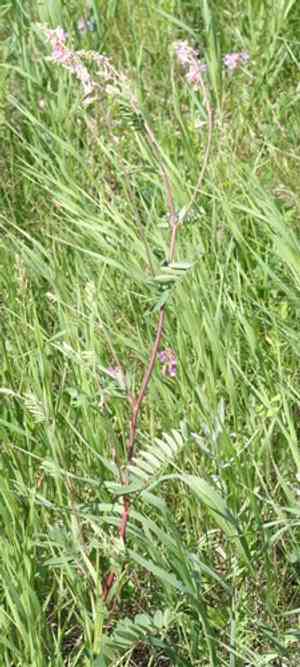
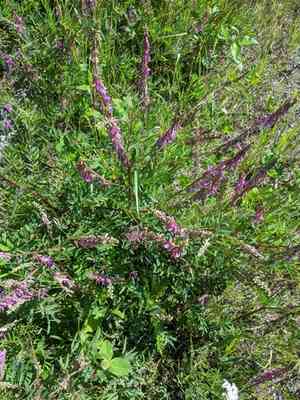
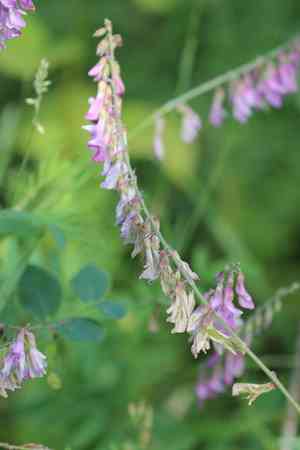
Images of Alpine sweet-vetch
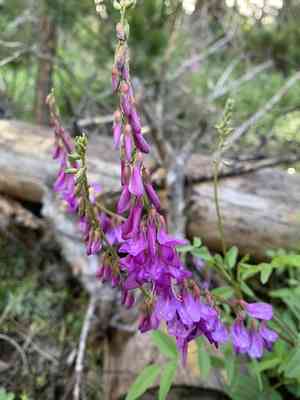
Quickly Identify Alpine sweet-vetch
1
Identify Hedysarum alpinum by its compound leaves with numerous small leaflets, clusters of pink to purple flowers, and its characteristic sweet root.
Scientific Classification of Alpine sweet-vetch
Phylum
Vascular plants
Class
Dicotyledons
Order
Fabales
Family
Legume
Genus
Sweetvetches
Species
Alpine sweet-vetch
Planting and Growing of Alpine sweet-vetch
Care Difficulty
Moderate
Watering Schedule
Every 2 days
Sunlight Requirements
Full sun
Sunshine Duration
6-10 hours
Ideal Temperature
50-68℉
Soil Type
Potting Mix, Peat Mix
Soil pH
6.5-7.5
Fertilizer Type
Balanced
Pruning Season
Spring, Summer
Pruning Area
Branches, Leaves
Pruning Frequency
2 times a year
Repotting Season
Spring
Pot Type
Terracotta, Plastic
 How to Water Alpine sweet-vetch?
Hedysarum alpinum typically requires around 500 milliliters of water per session. The key is to ensure the soil is moistened thoroughly without being waterlogged. Watering should provide moisture that penetrates deeply into the root zone, promoting healthy root development.
What are the symptoms of an underwatered Alpine sweet-vetch?
›
What should I do if my Alpine sweet-vetch is not getting enough water?
›
What are the symptoms of an overwatered Alpine sweet-vetch?
›
How to save an overwatered Alpine sweet-vetch?
›
 What Are the Sunlight Requirements for Alpine sweet-vetch?
Hedysarum alpinum ideally enjoys partial to full sun exposure, promoting healthy growth with vibrant foliage and abundant flowering when exposed to appropriate light.
How much sunlight does Hedysarum alpinum need?
›
What solutions can provide ideal light levels?
›
What benefits does optimal light provide?
›
 What Is the Ideal Temperature Range for Alpine sweet-vetch?
Hedysarum alpinum thrives in environments where temperatures are ideally between 50°F and 68°F. This range provides the right conditions for optimal metabolic processes, leading to vigorous growth, flowering, and seed production. It ensures that the physiological functions of the plant operate at their best, while reducing stress from temperature extremes.
 What Soil is Best for Alpine sweet-vetch?
Hedysarum alpinum thrives in well-drained soil which prevents waterlogging and root rot, essential for maintaining plant health. Proper drainage also aids in better nutrient absorption, supporting robust growth. The plant favors soil that's loose and well-aerated, which helps in air circulation around the roots, promoting healthy root development and efficient nutrient uptake. Soil with a moderate level of organic matter can improve the fertility, providing essential nutrients for Hedysarum alpinum's growth, leading to vibrant foliage and enhanced flowering.
 How to Fertilize Alpine sweet-vetch?
For Hedysarum alpinum, the amount of fertilizer should be moderate. Use about 1/4 to 1/2 teaspoon of liquid fertilizer per gallon of water. For slow-release fertilizer, apply approximately one tablespoon each time. Adjust based on the plant's response.
 How to Prune Alpine sweet-vetch?
Start by identifying dead or damaged stems. Using clean, sharp shears, cut these stems at the base to encourage new growth. Trim back overly long stems to promote a bushier appearance. Always follow the natural shape of the plant for aesthetic appeal. To give your Hedysarum alpinum a rounded shape, selectively trim stems that disrupt symmetry. By cutting these selectively, you maintain a balanced appearance while allowing light to permeate all parts of the plant.
More About Pruning Techniques→
 How to Propagate Alpine sweet-vetch plant?
1
To propagate Hedysarum alpinum from seeds, begin by collecting mature seeds in the late summer or early autumn when they have fully ripened. It's important to ensure seeds are dry to prevent mold formation before storage or sowing.
2
Choosing the right soil is essential for seed germination. Use a well-draining potting mix, enriched with organic matter. A 1:1 ratio of potting soil and perlite can enhance drainage and create an ideal environment for young seedlings.
3
Cut a healthy stem from Hedysarum alpinum using sharp pruners. Each cutting should be around 4 to 6 inches with at least two leaf nodes. Remove the leaves from the lower half, dip the cut end in rooting hormone, and plant it into pre-moistened potting soil.
 How to Repot Alpine sweet-vetch plant?
1
Hedysarum aplinum typically signals the need for repotting when you notice the roots are visibly crowding the current pot or poking out of the drainage holes. If the plant's growth has noticeably slowed, it's likely in need of more room to expand. The optimal time for repotting is in the warmer months of spring and summer when the plant can recover quickly.
2
Select a pot that is slightly larger than the current one to give Hedysarum aplinum room to grow. Ensure the pot has adequate drainage holes to prevent waterlogging, which can lead to root rot. A clay or terracotta pot can be beneficial as it allows for better air exchange and moisture evaporation, supporting healthier root systems.
3
Opt for a well-drained sandy soil mix, which mimics the plant's natural alpine environment. This type of soil helps avoid excess moisture while providing the necessary nutrients for growth. Adding some organic matter like compost can enhance soil texture and nutrient content, promoting vigorous plant development.
Toxicity
Ingestion
WARNING
The judgment on toxicity and danger is for reference only. We DO NOT GUARANTEE any accuracy of such judgment. Therefore, you SHALL NOT rely on such judgment. It is IMPORTANT TO SEEK PROFESSIONAL ADVICE in advance when necessary.



