How to Prune Alpine sweet-vetch?
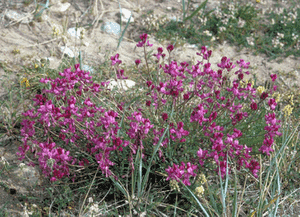
Alpine sweet-vetch is a perennial plant recognized for its unique purple blossoms and capacity to fix nitrogen. Perform pruning in late winter or early spring prior to the emergence of new shoots. Eliminate any deceased or compromised stalks, sculpt the plant, and enhance air circulation to mitigate the likelihood of disease. Pruning stimulates robust development and more abundant flowering. Consistent removal of faded flowers can prolong the blooming season. Always employ sanitized, sharp implements to prevent plant trauma and possible contagions.
What Are the Benefits of Pruning Alpine Sweet-vetch?
What Are the Benefits of Pruning Alpine Sweet-vetch?
Trimming alpine sweet-vetch encourages robust development and maintains its form. Consistent trimming fosters healthy growth, manages plant dimensions, and improves overall look and resilience to pests and illnesses.
What Is the Best Time for Pruning Alpine Sweet-vetch?
What Is the Best Time for Pruning Alpine Sweet-vetch?
Trimming alpine sweet-vetch in early spring or late winter is optimal as it aligns with the plant's dormant phase. During dormancy, the plant's growth slows, minimizing the shock from pruning. Additionally, these seasons precede the active growth period, allowing the plant to heal cuts and stimulate vigorous new growth in spring. Pruning at this time also aids in shaping the plant and removing any dead or diseased branches, which can enhance overall health and bloom production in the upcoming season.
What Tools Do I Need to Prune Alpine Sweet-vetch?
Hand Pruners
Hand pruners are perfect for small, precise cuts and are useful for removing dead or damaged stems and shaping alpine sweet-vetch. Choose bypass pruners for cleaner cuts.
Pruning Shears
Pruning shears are suitable for slightly thicker stems and branches of alpine sweet-vetch. They provide a clean cut that encourages healthy growth.
Loppers
Loppers are essential for thicker, woody stems that may develop on mature individuals of alpine sweet-vetch. They offer greater leverage and ease of cutting.
Pruning Saw
A pruning saw is beneficial for any larger, older branches that may require removal in a mature alpine sweet-vetch. Select a fine-toothed saw for smoother cuts.
How to Prune Alpine Sweet-vetch
Inspection
Carefully examine alpine sweet-vetch for any indications of diseased or withered foliage. Identification is crucial for effective trimming.
Sanitization
Utilize sterilized pruning shears to prevent the spread of illness. Clean tools reduce the risk of bacterial or fungal infections.
Removal
Carefully cut away any diseased leaves, ensuring to trim at the base of the leaf stem where it meets the main plant. This prevents further disease spread.
Disposal
Properly dispose of the removed diseased and withered leaves, away from the plant and garden, to prevent contamination.
Monitoring
Regularly observe alpine sweet-vetch for new signs of disease or wilting. Consistent checks ensure the plant remains healthy and vigorous.
Common Pruning Mistakes with Alpine Sweet-vetch
Over-pruning
Removing too much foliage at once can stress alpine sweet-vetch, leading to poor growth and potential plant decline.
Incorrect Cutting Technique
Using dull tools or tearing the stems instead of making clean cuts can cause damage and increase the risk of disease.
Improper Timing
Pruning at the wrong time of the year can interrupt the plant's natural growth cycle and reduce flowering.
Common Pruning Tips for Alpine Sweet-vetch
Use Sharp, Clean Tools
Ensure your pruning shears or scissors are sharp and sterilized to make precise cuts and prevent the spread of disease.
Prune Damaged or Diseased Parts First
Focus on removing any damaged, diseased, or dead parts of alpine sweet-vetch to promote overall plant health.
Make Clean Cuts at an Angle
Cut just above a node at a 45-degree angle to encourage new growth and prevent water accumulation on the cut surface.
Encourage Air Circulation
Thin out dense areas to improve air circulation within alpine sweet-vetch, which can reduce the risk of fungal infections.
Prune Sparingly and Regularly
Conduct light pruning regularly rather than making drastic cuts infrequently. This approach maintains the plant's shape and health without causing unnecessary stress.



