How to Transplant Kahili ginger?
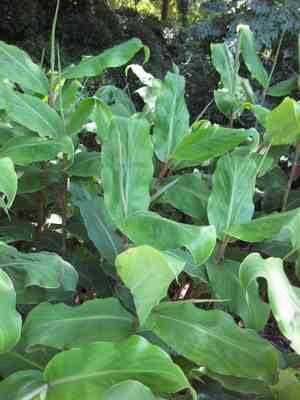
The most favorable period for relocating kahili ginger is in mid-spring when its development is vigorous. Select a bright, partly shaded spot featuring soil that drains effectively to foster a strong beginning. Bear in mind that careful root manipulation aids in successful establishment.
What Preparations are Needed Before Transplanting Kahili Ginger?
What is the Ideal Time for Transplanting Kahili Ginger?
The best time to move kahili ginger is during the warmth of late spring. This timing allows kahili ginger to establish roots before summer's peak, giving it a strong start. Moving kahili ginger during this period takes advantage of the season's mild weather, helping it adapt better and thrive in its new spot. A late spring transfer aligns with the natural growth cycle of kahili ginger, matching the plant's readiness to grow, ultimately leading to a stronger, healthier bloom.
How Much Space Should You Leave Between Kahili Ginger Plants?
When relocating kahili ginger, ensure adequate room for development. Each plant should ideally be spaced approximately 2-3 feet (0.6-0.9 meters) apart. This enables them to grow freely and robustly.
What is the Best Soil Mix for Kahili Ginger Transplanting?
To prepare the soil, combine well-draining garden soil with compost. Kahili ginger prefers rich and moist soil. A light application of slow-release, balanced fertilizer during preparation will provide your plants with a good initial boost.
Where Should You Relocate Your Kahili Ginger?
Kahili ginger thrives best in partial shade. A spot receiving morning sun and afternoon shade would be perfect. Avoid areas with intense, hot sun, as this can harm the plant's foliage.
What Equipments Should You Prepare Before Transplantation Kahili Ginger?
Gardening Gloves
To safeguard your hands while working with soil and handling the plant.
Shovel or Spade
For excavating the hole in the ground and extracting the kahili ginger from its initial location.
Watering Can
To hydrate the plant both in its original spot and following transplantation.
Gardening Trowel
Useful for digging small holes and carefully removing the kahili ginger from a pot or seedling tray.
Pruning Shears
May be necessary to trim any damaged roots or leaves during the transplanting process.
Wheelbarrow
Helpful for moving the kahili ginger to its new site if required.
How Do You Remove Kahili Ginger from the Soil?
How Do You Remove Kahili Ginger from the Soil?
From Ground: First, water the kahili ginger plant to moisten the soil, making it easier to dig. Then, excavate a wide trench around the plant using a shovel or spade, ensuring the plant's root ball remains intact. Work the spade beneath the root ball to gently lift the plant.From Pot: If the kahili ginger is in a pot, watering before removal can be beneficial. Invert the pot while supporting the plant at its base, or use a trowel to loosen the soil and carefully extract the plant.From Seedling Tray: If the kahili ginger is in a seedling tray, these trays typically have flexible bottoms. Be gentle and push the bottom of the tray compartment upwards while holding the plant at its base to remove it without harming the roots.
Step-by-Step Guide for Transplanting Kahili Ginger
Preparation
Begin by getting the new site ready for the kahili ginger. Dig a hole that is twice as wide as the root ball and equally deep. This space allows the roots to spread out easily. Loosen the soil at the bottom of the hole to aid root penetration.
Planting
Position the kahili ginger in the hole, ensuring it stands upright and at the same depth as it was in its previous location. The top of the root ball should be level with or slightly below the ground surface.
Backfilling
Carefully refill the hole with soil, gently firming as you go to eliminate air pockets without overly compacting the soil around the plant.
Watering
After transplanting, water the kahili ginger generously to settle the surrounding soil.
How Do You Care For Kahili Ginger After Transplanting?
Watering
Ensure the soil around the kahili ginger remains consistently moist, but not waterlogged. For the first few weeks after transplanting, water the plant regularly to help it develop a strong root system.
Pruning
Remove any dead or dying leaves, as this allows the kahili ginger to direct all its energy towards establishing itself in its new spot.
Protection
If the weather becomes unexpectedly hot or cold, provide some protection like a shade cloth or frost cover for the initial weeks to prevent stress to the kahili ginger.
Monitoring
Observe the kahili ginger for signs of transplant shock such as wilting, yellowing, or dropping leaves. If this occurs, try to identify the issue (like over- or under-watering) and correct it.
Troubleshooting Common Issues with Kahili Ginger Transplantation.
When is the optimal period to relocate kahili ginger?
The most favorable period to transplant kahili ginger is between late spring and early summer (S2-S3).
What is the perfect distance to keep between kahili ginger plants during transplantation?
Maintain a separation of around 2-3 feet (60-90 cm) between the kahili ginger plants. It supports their healthy growth.
What should I do if the transplanted kahili ginger appears droopy?
Droopiness indicates stress. Ensure it has sufficient water and protect it from strong sunlight until it recovers.
Why isn't my transplanted kahili ginger growing at all?
Inspect for proper soil conditions. Kahili ginger prefers fertile, well-drained soil. If poor, enrich it with compost.
Why are the leaves of my kahili ginger plant turning yellow after transplanting?
Overwatering could be the cause. Allow the soil to dry out before the next watering to avoid root rot.
What should be the depth of the hole when transplanting kahili ginger?
Dig a hole twice the width and the same depth as the root ball. This ensures easy root expansion.
Why is my transplanted kahili ginger losing its blooms?
This could be due to a stressful transition. Keep it well-watered and in moderate sunlight to aid recovery.
What should I do if the kahili ginger doesn't bloom despite proper transplanting?
Ensure plenty sunlight exposure. If placed in a shady location, move it to a spot which gets sun for a few hours each day.
How should I water my freshly transplanted kahili ginger?
Sufficiently saturate the planting zone immediately after transplant and water regularly thereon, but avoid waterlogging to prevent root rot.
What's the best care for kahili ginger right after transplant?
Water generously, keep in partial sun, shield from high winds, and prune any broken leaves or stems.



