How to Prune Kahili ginger?
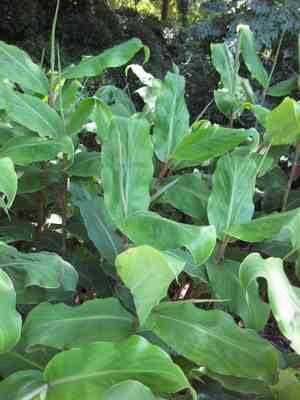
Kahili ginger, a tropical perennial recognized for its aromatic, prominent blossoms, flourishes with consistent trimming to manage its invasive tendencies and foster robust development. Execute substantial pruning in spring to eliminate lifeless or frail stalks and restrict its expansion. Reducing its size in summer stimulates revitalization, whereas autumn cleanup readies kahili ginger for its inactive phases. Pruning not only limits its assertive character, averting environmental issues, but also incites flowering for the subsequent cycle.
What Are the Benefits of Pruning Kahili Ginger?
What Are the Benefits of Pruning Kahili Ginger?
Trimming kahili ginger promotes abundant blooms, stimulates development, and maintains its desired shape. This vital practice helps focus the plant's energy on producing vibrant flowers, enhancing its visual appeal while ensuring compact, strong growth.
What Is the Best Time for Pruning Kahili Ginger?
What Is the Best Time for Pruning Kahili Ginger?
Spring pruning aids in fostering robust new growth after kahili ginger emerges from winter dormancy. Late Summer trimming is ideal for shaping the plant and removing spent flowers before seed development, preventing unwanted spread. Early Fall pruning ensures cleanup before dormancy without harming new growth, as kahili ginger has finished its primary growth and flowering cycle.
What Tools Do I Need to Prune Kahili Ginger?
Sharp Bypass Pruners
Perfect for making clean cuts on kahili ginger's stems, bypass pruners reduce damage to plant tissues, encouraging healthier regrowth.
Long-Handled Loppers
Useful for reaching higher stems of kahili ginger, providing better leverage for thicker growth without straining the gardener's back.
Pruning Saw
Kahili ginger can develop thicker stems that might be too large for pruners or loppers. A pruning saw assists in performing these larger cuts efficiently.
Gardening Gloves
While trimming kahili ginger, gloves protect hands from sharp edges and potential skin irritants in the plant sap.
Secateurs
For precise shaping and removal of smaller, more delicate branches of kahili ginger, secateurs offer controlled cutting action.
How to Prune Kahili Ginger
Clean tools
Before you begin, ensure all pruning tools are clean and sharp to prevent disease spread and to make clean cuts that kahili ginger will recover from more easily.
Diseased leaves
Identify and carefully remove any diseased leaves from kahili ginger. Make cuts at the base of the affected leaves, where they meet the stem, using pruning shears or a sharp knife.
Withered leaves
Trim withered leaves to maintain the health and appearance of kahili ginger. Cut these leaves back to the base in a similar manner as diseased leaves to encourage new growth.
Withered flowers
Deadhead by cutting off withered flowers of kahili ginger as close as possible to the base of the bloom. This will prevent the plant from expending energy on seed production and will stimulate new flowers.
Sanitation
After pruning, clean up all trimmings from around kahili ginger to prevent any disease from spreading. Dispose of the waste properly, especially if it contains diseased material.
Common Pruning Mistakes with Kahili Ginger
Cutting too much
Removing more than one-third of kahili ginger at once can stress the plant and impede its growth and flowering capabilities.
Improper tool use
Using dull or dirty pruning tools can result in jagged cuts that are vulnerable to pests and disease, negatively impacting kahili ginger's health.
Pruning active growth
Removing actively growing shoots can diminish the overall vigor and bloom potential of kahili ginger.
Neglecting dead removal
Failing to remove dead or dying stems can attract diseases and pests, which can be detrimental to kahili ginger's health.
Ignoring plant structure
Pruning without considering kahili ginger's natural growth pattern can lead to an imbalance, affecting its appearance and flowering.
Common Pruning Tips for Kahili Ginger
Sharp clean tools
Ensure pruning tools are sharp and clean to make precise cuts that kahili ginger can heal from quickly, minimizing the risk of disease.
Selective pruning
Perform selective pruning to remove only the necessary parts to encourage healthy growth without over-pruning kahili ginger.
Cut above nodes
Make pruning cuts just above leaf nodes to promote new growth in a desired direction, which allows kahili ginger to maintain a pleasant shape.
Post flowering trim
Trimming kahili ginger after the flowering period can help in stimulating the next season's growth, while keeping the plant well-groomed.
Disease watch
Regularly inspect for signs of diseases or pests during pruning and immediately remove any affected parts to maintain kahili ginger's health.



