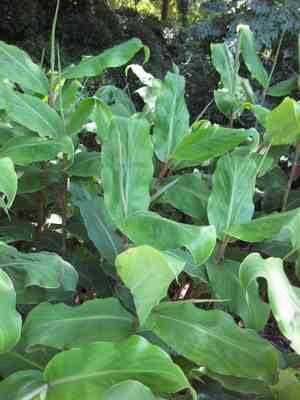
Kahili ginger (Hedychium gardnerianum)
Also known as: Wild ginger lily, Salmon butterfly ginger
Kahili ginger (Hedychium gardnerianum) is a striking tropical plant that can grow up to 2.5 meters (about 8 feet) tall when planted in the ground. Known as ginger lily, it features impressive flower spikes that bloom in late summer or early autumn. The plant showcases clusters of vibrant yellow flowers accented with long, pinkish-red stamens. In the fall, it produces orange fruits containing red, sticky seeds that attract various birds.
In This Article
Attributes of Kahili ginger
Lifespan
Perennial, Annual
Plant Type
Herb
Plant Height
2.5 m
Spread
60 cm to 90 cm
Leaf Color
Green Gray Silver
Flower Size
15 cm
Flower Color
Yellow Red
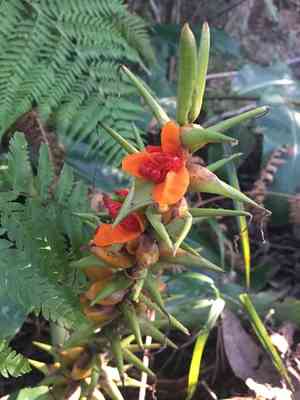
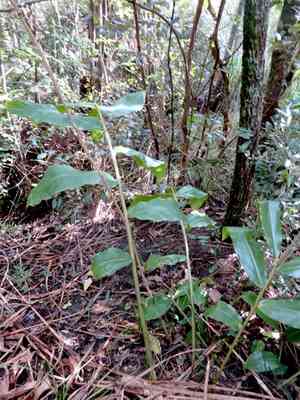
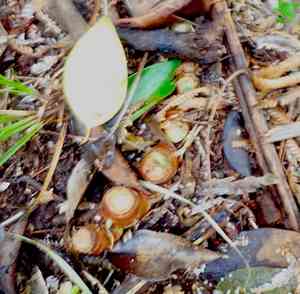
Images of Kahili ginger
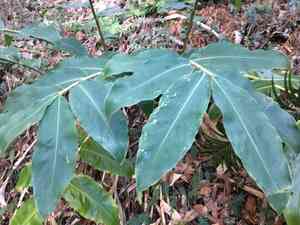
Quickly Identify Kahili ginger
1
Tall stems grow up to 8 feet (2.4 meters), towering above other plants.
2
Distinct powdery-white underside on 2-foot-long (60 cm) leaves sets it apart.
3
Fragrant yellow flowers with striking red stamens bloom in late summer.
4
6-inch-long (15 cm) tubular flowers sport pale yellow hue with red accents.
5
Three-part fruit capsule transitions from vivid green to mature brown in autumn.
Scientific Classification of Kahili ginger
Phylum
Vascular plants
Class
Monocotyledons
Order
Zingiberales
Family
Ginger
Genus
Ginger Lily
Species
Kahili ginger
Planting and Growing of Kahili ginger
Care Difficulty
Easy
Watering Schedule
Every 4 days
Sunlight Requirements
Partial sun
Sunshine Duration
4-8 hours
Ideal Temperature
65-75℉
Soil Type
Potting Mix, Peat Mix
Soil pH
6.5-7.5
Fertilizer Type
Balanced
Pruning Season
Spring, Summer
Pruning Area
Branches, Leaves
Pruning Frequency
Once a year
Repotting Season
Spring
Pot Type
Terracotta, Plastic
 How to Water Kahili ginger?
When watering Hedychium gardnerianum, aim to saturate the soil without creating puddles around the roots. Their thirst is quenched when the top couple of inches of soil are moist but not sodden.
What are the symptoms of an underwatered Kahili ginger?
›
What should I do if my Kahili ginger is not getting enough water?
›
What are the symptoms of an overwatered Kahili ginger?
›
How to save an overwatered Kahili ginger?
›
 What Are the Sunlight Requirements for Kahili ginger?
Hedychium gardnerianum thrives in areas with partial sun, enjoying 4 to 6 hours of sunlight daily. This balance ensures robust growth, vibrant leaves, and optimal flowering.
More About Sunlight Requirements Techniques→
How much light does Hedychium gardnerianum need?
›
How to achieve ideal lighting for Hedychium gardnerianum?
›
What are the benefits of ideal lighting for Hedychium gardnerianum?
›
 What Is the Ideal Temperature Range for Kahili ginger?
The ideal temperature range for growing Hedychium gardnerianum, also known as Kahili ginger, is between 65°F to 75°F. This temperature range provides a warm environment that promotes healthy foliage and optimal flowering. Maintaining this range helps mimic the plant's natural habitat, ensuring robust growth and vibrantly colored blooms.
 What Soil is Best for Kahili ginger?
Hedychium gardnerianum requires well-draining soil to prevent waterlogging and root rot. Well-draining soil ensures the roots receive adequate air, preventing fungal diseases and promoting a healthy root system. The plant benefits from soil that retains some moisture without becoming waterlogged. This balance aids in consistent growth and flowering, ensuring hydration without the risk of rotting. Rich, loamy soil provides essential nutrients that bolster the plant's growth and vigor. Nutrient-rich soil promotes lush foliage and vibrant flowers, making it ideal for ornamental purposes.
 How to Fertilize Kahili ginger?
When fertilizing Hedychium gardnerianum, it is crucial to use a balanced 10-10-10 fertilizer. For liquid fertilizers, apply about 1/2 teaspoon per gallon of water, ensuring that the soil is moist before application. For slow-release fertilizers, use about 3-4 ounces per plant annually, mixed into the top layer of soil.
 How to Prune Kahili ginger?
Begin by identifying and cutting back old or dead stems at the base. These stems no longer contribute to the plant's vitality and can be easily removed. By doing so, you allow room for new growth to emerge, enhancing the plant's overall appearance and vigor. Once the lovely flowers have bloomed and begun to fade, trim them back. Removing these spent blooms not only tidies up the plant but also redirects the plant's energy towards new growth and flower production, ensuring a continuous display of blooms during its season.
More About Pruning Techniques→
 How to Propagate Kahili ginger plant?
1
Choose healthy, disease-free stems with a few nodes. Cut the stem just below a node, ideally about 10-15 cm long, to ensure successful rooting.
2
Use a well-draining potting mix rich in organic matter. Ensure the soil is moist but not waterlogged, as excessive moisture can cause rot.
3
Insert the cuttings into the soil, ensuring at least one node is buried under the soil. Firm the soil around the base to provide stability and aid rooting.
 How to Repot Kahili ginger plant?
1
Look for signs such as roots growing out of drainage holes or soil that dries too quickly. Spring or summer is the best time, as the plant is in its growth phase, which aids in faster recovery.
2
Opt for a pot slightly larger than the current one with good drainage holes. This provides room for root growth without overwhelming the plant, ensuring optimal water drainage and preventing root rot.
3
Select a potting mix that is rich in organic matter with excellent drainage properties. Such soil offers the nutrients needed while preventing waterlogging, which can cause root rot.
Learn More About Kahili ginger Diseases
Anthracnose
Bacterial Leaf Spot
Bacterial Soft Rot
Bacterial Wilt
Chemical Injury
Crown Gall
Damping-off
Drought Stress
Fusarium Wilt
Gray Mold
Leaf Spot
Mosaic
Nutrient Deficiency
Nutrient Toxicity
Powdery Mildew
Root Rot
Root-knot Nematode
Sooty Mold
Spider Mites
Temperature Stress
Thrips Damage
White Mold



