How to Transplant Sawtooth goldenbush?
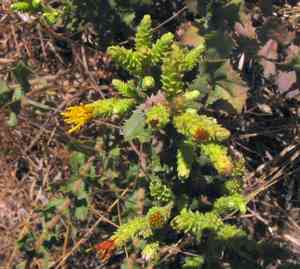
Relocate sawtooth goldenbush from early spring's emergence to the beginning of summer, ensuring its placement in adequately drained earth and brightly lit areas. Always preserve the root mass whole for effortless establishment.
Essential Preparations Before Relocating Sawtooth Goldenbush
Optimal Period for Sawtooth Goldenbush Relocation?
The prime period for relocating sawtooth goldenbush is during the peak of spring, when its growth is about to accelerate. This timing aligns with the plant's natural growth cycle, promoting strong root development and smoother adaptation to its new environment. Moving sawtooth goldenbush in this season leverages the mild weather, reducing shock and maximizing the plant's establishment before summer's heat. The pleasant spring atmosphere is not only agreeable for us but also ideal for sawtooth goldenbush to flourish post-transplant.
Recommended Spacing Between Sawtooth Goldenbush Plants?
When arranging your sawtooth goldenbush, aim to provide each plant approximately 24-36 inches (61-91 cm) of space to ensure ample room for growth and development. This spacing allows each plant sufficient access to nutrients and light, preventing overcrowding.
Ideal Soil Blend for Sawtooth Goldenbush Transplanting?
For sawtooth goldenbush, the best soil is well-draining and not excessively rich. A sandy loam is highly suitable. Prior to transplanting, incorporate a balanced, slow-release fertilizer to give your sawtooth goldenbush a strong start. Consider a 10-10-10 NPK ratio, applied according to product instructions.
Selecting a New Location for Your Sawtooth Goldenbush?
Choose a sunny spot for your sawtooth goldenbush, as these plants thrive in full sunlight. Ensure the chosen site receives at least 6-8 hours of direct sun daily. Avoid areas that are shaded for most of the day, as sawtooth goldenbush flourishes in bright conditions.
Tools Required for Sawtooth Goldenbush Transplantation
Spade or Shovel
For excavating and moving the plant's root ball.
Hand Trowel
Useful for minor adjustments and digging smaller holes.
Watering Can or Hose
To hydrate the plant before and after its relocation.
Gardening Gloves
To safeguard your hands while handling soil and the plant.
Wheelbarrow or Plant Dolly
For transporting the plant if it is particularly large or heavy.
Pruning Shears
To trim any damaged roots or foliage.
Stakes or Plant Supports
To offer structural stability to the plant if needed after transplanting.
Method for Extracting Sawtooth Goldenbush from Soil
Method for Extracting Sawtooth Goldenbush from Soil?
From Ground: First, moisten the sawtooth goldenbush plant to soften the soil. This facilitates digging and helps protect the root system. Dig a wide circle around the plant with your spade, ensuring sufficient distance to prevent significant root damage. Gently work the spade beneath the root ball to loosen and lift the plant from its original spot.From Pot: Begin by watering the soil in the pot to ease root ball removal. Turn the pot on its side and gently tap or press to loosen the plant. Carefully slide the plant out, supporting the root ball with your hands to keep it intact.From Seedling Tray: Carefully dig around the seedling using a hand trowel. Gently hold the seedling by its leavesânot the stem, as it is easily damagedâand lift it from the tray with an accompanying clump of soil and roots.
Detailed Steps for Transplanting Sawtooth Goldenbush
Preparation
Thoroughly water the sawtooth goldenbush plant a day prior to transplanting to ensure it is well-hydrated.
Excavating the New Hole
Using a spade or shovel, dig a hole in the ground that is twice as wide and as deep as the plant's root ball. Loosening the surrounding soil will aid root expansion.
Plant Preparation
Before moving the plant, trim any broken or dead roots to encourage healthy growth. If the plant is root-bound with roots circling the pot, gently untangle them.
Planting
Position the sawtooth goldenbush plant in the center of the new hole, ensuring it is at the same depth as it was previously growing. Adjust its placement to ensure it stands upright.
Backfilling
Carefully refill the hole with soil, gently tamping it down as you go to eliminate air pockets, which can dehydrate roots.
Watering
Water the sawtooth goldenbush thoroughly after transplanting to settle the soil and help alleviate transplant shock.
Providing Support
If your sawtooth goldenbush is tall or appears unstable, insert stakes around the plant and loosely tie it for support until it establishes itself.
Post-Transplant Care for Sawtooth Goldenbush
Mulching
Apply a layer of organic mulch around the base of the sawtooth goldenbush to help retain moisture, regulate soil temperature, and reduce weed growth.
Monitoring
Regularly observe your sawtooth goldenbush for indications of stress, such as wilting or discolored leaves. Address any issues promptly.
Staking
Inspect any stakes or supports to ensure they are not harming the plant as it grows. Adjust or remove them as the sawtooth goldenbush becomes more established.
Pruning
Trim any damaged or diseased foliage to direct the sawtooth goldenbush's energy towards developing new, healthy growth.
Resolving Common Sawtooth Goldenbush Transplantation Issues
What is the optimal season for transplanting sawtooth goldenbush?
Ideal transplanting occurs from early to late spring, leveraging mild temperatures for root establishment.
What spacing should I maintain between sawtooth goldenbush plants during transplanting?
Aim for 24-36 inches (61-91 cm) of spacing, allowing ample room for growth and air circulation.
Why is my sawtooth goldenbush wilting after being transplanted?
Wilting can result from transplant shock. Ensure adequate watering, initially avoid direct sun, and shield from strong winds.
How much water should I give sawtooth goldenbush after transplanting?
Water thoroughly immediately after transplanting, then regularly, allowing the soil to dry slightly between watering sessions.
Should I fertilize sawtooth goldenbush after transplanting?
Wait a few months before fertilizing to allow roots to settle. Opt for a balanced, slow-release fertilizer to prevent root burn.
How do I prepare the soil for sawtooth goldenbush transplanting?
Cultivate the soil to a depth of 10 inches (25 cm), incorporating organic matter to enhance soil structure and nutrients.
Can sawtooth goldenbush be transplanted on overcast days?
Yes, cloudy days are perfect as they minimize stress on sawtooth goldenbush by reducing water loss through leaves during transplant.
What depth should the hole be for transplanting sawtooth goldenbush?
The hole should be as deep as the root ball and twice its width to facilitate root expansion.
What indicates overwatering of sawtooth goldenbush after transplanting?
Signs include yellowing leaves, drooping despite wet soil, and a general lack of vigor, suggesting potential root rot.
How soon can I expect new growth after transplanting sawtooth goldenbush?
New growth might appear within a few weeks, but it's normal for it to take longer as sawtooth goldenbush establishes its roots.



