The Sawtooth goldenbush Plant Advantage: Maximizing Home and Office Appeal and Wellness
1
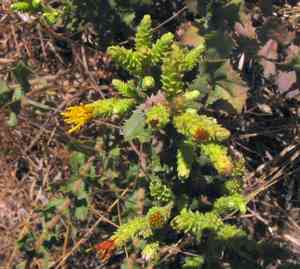
Sawtooth goldenbush is a resilient, arid-adapted plant, perfect for water-wise landscaping.
2
Sawtooth goldenbush benefits native fauna, offering sustenance to pollinators like bees and butterflies.
3
Its sturdy characteristics aid in preventing soil degradation and enhancing earth health.
Why Sawtooth Goldenbush is an Ideal Addition to Your Garden
The Ecological Advantages of Sawtooth Goldenbush
A key attribute of Sawtooth goldenbush is its ecological efficiency. This plant tolerates arid conditions, meaning it flourishes with minimal water, making it a prime selection for xeriscaping. Xeriscaping is a landscaping approach that minimizes or eliminates the need for irrigation, thereby conserving water â a vital aspect in today's world where water preservation is increasingly important.
Support for Local Fauna
Sawtooth goldenbush plays a crucial role in sustaining local wildlife. During its flowering period, this plant draws various pollinators like bees and butterflies. By offering a consistent nectar source, Sawtooth goldenbush aids in the survival of these essential creatures. Pollinators are critical for the reproduction of many plants, and their presence helps ensure your garden remains lush and vibrant.
Enhance Soil Quality and Prevent Erosion
The strong root system of Sawtooth goldenbush helps stabilize the ground, preventing erosion and improving soil health. This is especially beneficial for gardens located on slopes or areas prone to surface runoff. Its deep root system allows it to access nutrients that other plants might miss, thereby enriching the soil as nutrients are brought to the surface.
Low Upkeep and Economical
Sawtooth goldenbush is recognized for its minimal maintenance needs. Once established, it requires little to no additional care, significantly reducing the time and resources you would need to invest in garden upkeep. This makes it an economical choice for home gardeners and professionals seeking to create sustainable and low-cost landscapes.
How Sawtooth Goldenbush Contributes to Biodiversity
A Foundational Species
Sawtooth goldenbush can be considered a foundational species because it supports a wide array of organisms within its ecosystem. The plant's blossoms provide nectar to pollinators, while its foliage offers habitat and sustenance for various insects and small mammals. This interconnectedness helps maintain and enhance local biodiversity, making your garden a sanctuary for wildlife.
Promoting Native Plant Development
Integrating Sawtooth goldenbush into your garden can also encourage the growth of other native plants. Its presence helps create a more balanced ecosystem, where native plants can thrive. This is particularly important for maintaining the natural landscape and ensuring the survival of indigenous plant species that might otherwise be outcompeted by invasive species.
Cultivating and Caring for Sawtooth Goldenbush
Planting and Soil Requirements
To successfully cultivate Sawtooth goldenbush, select a location with well-drained soil and full sun to partial shade. This plant is highly adaptable to different soil types, but it flourishes best in sandy or rocky soils that mimic its natural environment. When planting, ensure that the root ball is level with the soil surface to promote healthy growth.
Watering and Fertilization
After planting, water Sawtooth goldenbush regularly until it is well-established. Once mature, the plant requires minimal watering, making it an excellent option for low-water landscapes. Fertilization is generally unnecessary, as Sawtooth goldenbush is well adapted to low-nutrient environments. However, you can apply a balanced fertilizer in the spring if desired to encourage robust growth.



