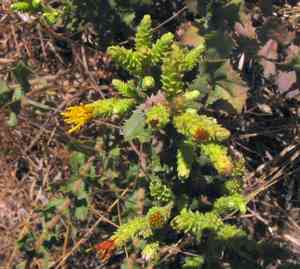
Sawtooth goldenbush (Hazardia squarrosa)
Also known as: Sawtooth Goldenbush, Sawtooth Hazardia
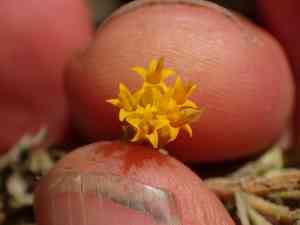
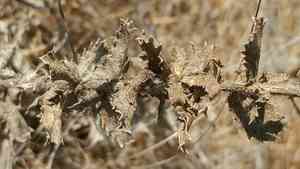
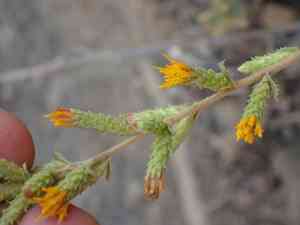
The sawtooth goldenbush (Hazardia squarrosa) is often confused with the coastal goldenbush (Isocoma menziesii) but can be identified by its rigid, spiny leaves and small, cone-shaped flowers. The Kumeyaay people traditionally used this perennial shrub by bathing in water boiled with its leaves. Additionally, the sawtooth goldenbush is an important nectar source for the Isophrictis magnella moth.
In This Article
Attributes of Sawtooth goldenbush
Lifespan
Perennial
Plant Type
Shrub
Plant Height
1.2 m to 2.5 m
Spread
2.5 m
Leaf Color
Green
Flower Size
1.02 cm
Flower Color
Yellow
Images of Sawtooth goldenbush
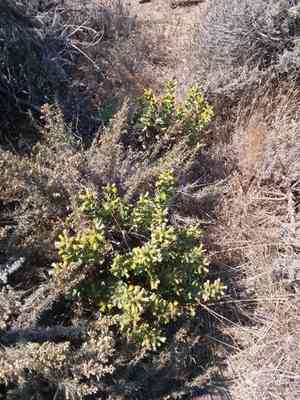
Quickly Identify Sawtooth goldenbush
1
Hazardia squarrosa can be identified by its shrubby appearance, serrated leaves, and bright yellow flowers. The leaves are sharply toothed, which is a distinctive characteristic. During flowering, clusters of small yellow flower heads can be seen.
Scientific Classification of Sawtooth goldenbush
Phylum
Vascular plants
Class
Dicotyledons
Order
Asterales
Family
Daisy
Genus
Hazardia
Species
Sawtooth goldenbush
Planting and Growing of Sawtooth goldenbush
Care Difficulty
Easy
Watering Schedule
Every 2 days
Sunlight Requirements
Full sun
Sunshine Duration
4-6 hours
Ideal Temperature
63-77℉
Soil Type
Potting Mix, Peat Mix
Soil pH
6.5-7.5
Fertilizer Type
Balanced
Pruning Season
Spring, Summer
Pruning Area
Branches, Leaves
Pruning Frequency
2 times a year
Repotting Season
Spring
Pot Type
Plastic, Terracotta
 How to Water Sawtooth goldenbush?
For Hazardia squarrosa, watering 250 milliliters per session ensures that moisture gets to the roots without saturating the soil. The key is to keep the soil barely moist, mimicking the plant’s natural arid habitat—allow the top inch of soil to dry out between waterings.
What are the symptoms of an underwatered Sawtooth goldenbush?
›
What should I do if my Sawtooth goldenbush is not getting enough water?
›
What are the symptoms of an overwatered Sawtooth goldenbush?
›
How to save an overwatered Sawtooth goldenbush?
›
 What Are the Sunlight Requirements for Sawtooth goldenbush?
Hazardia squarrosa prefers full sun to partial sun. Ideal lighting ensures efficient photosynthesis, resulting in optimal health, vibrant blooms, and robust growth, maximizing the plant's ornamental appeal and ecological role.
More About Sunlight Requirements Techniques→
What is the ideal lighting solution for Hazardia squarrosa?
›
How do I achieve the ideal lighting conditions?
›
What benefits do ideal lighting conditions offer?
›
 What Is the Ideal Temperature Range for Sawtooth goldenbush?
For optimal growth of Hazardia squarrosa, the ideal temperature ranges from 63°F to 77°F. This range ensures the plant can efficiently photosynthesize and maintain growth, as it aligns with the natural climate of its native habitat.
 What Soil is Best for Sawtooth goldenbush?
Hazardia squarrosa thrives in well-draining soil that prevents root rot by ensuring excess water flows away quickly. This is crucial for maintaining root health and optimal growth. Moderate nutrient content allows this plant to access essential minerals without the risk of nutrient burn, supporting healthy foliage and vibrant blooms. A slightly alkaline soil environment, with a pH up to 7.5, helps Hazardia squarrosa absorb nutrients efficiently while also deterring harmful soil pathogens.
 How to Fertilize Sawtooth goldenbush?
For Hazardia squarrosa, a balanced NPK fertilizer is recommended at half the strength of the package instructions to avoid over-fertilization. Typically, use approximately 1 tablespoon of liquid fertilizer diluted in 1 gallon of water for monthly applications.
 How to Prune Sawtooth goldenbush?
Use sharp, clean pruning shears to avoid damaging the plant and to ensure clean cuts. Proper tools help in reducing the risk of infecting the plant with diseases through unclean cuts. When pruning, cut just above a leaf node or bud to encourage new growth. This helps Hazardia squarrosa to develop a fuller and bushier form, enhancing its natural beauty and vigor.
More About Pruning Techniques→
 How to Propagate Sawtooth goldenbush plant?
1
Gather seeds from the Hazardia squarrosa once the flower heads have dried and turned brown. Collecting during dry weather ensures that the seeds are dry and prevents mold growth.
2
Prepare a well-draining soil mix for seed germination. A mixture of potting soil, sand, and perlite works well to maintain moisture while ensuring good drainage, which is crucial for seedling roots.
3
For cuttings, use a rooting hormone to encourage root development. Dip the cut end of your cutting into the hormone before planting it in a potting mix, ensuring good contact with the soil.
 How to Repot Sawtooth goldenbush plant?
1
You should repot Hazardia squarrosa when you notice the plant outgrowing its pot or roots beginning to peek out from the drainage holes. These signals indicate that the plant requires more space to continue growing healthily. Repotting during these times will help ensure that your plant continues to thrive.
2
Select a pot that is about 2 inches larger in diameter than the current one. This provides enough space for root growth without overwhelming the plant. The pot's larger size will also help in maintaining soil moisture and encouraging healthy plant development, reducing the need for frequent watering.
3
Opt for well-draining sandy soil that mimics its natural habitat. Such soil provides excellent drainage which is crucial for preventing root rot while allowing roots to access sufficient nutrients and air. This promotes strong growth and vibrant foliage.
Learn More About Sawtooth goldenbush Diseases
Anthracnose
Bacterial Leaf Spot
Bacterial Soft Rot
Bacterial Wilt
Black Spot
Chemical Injury
Crown Gall
Cyst Nematode
Damping-off
Downy Mildew
Drought Stress
Fusarium Wilt
Gray Mold
Leaf Curl
Leaf Spot
Mosaic
Nutrient Deficiency
Nutrient Toxicity
Powdery Mildew
Root Rot
Root-knot Nematode
Rusts
Sooty Mold
Spider Mites
Temperature Stress
Thrips Damage
White Mold



