How to Prune Sawtooth goldenbush?
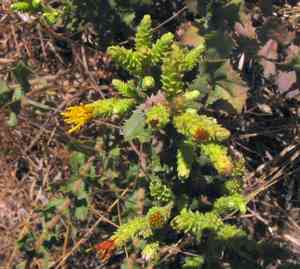
Sawtooth goldenbush, a hardy shrub, flourishes with little attention. Trim it during its winter resting period to sculpt its form and encourage vigorous development. After blooming, remove aged branches to boost vitality and preserve its shape. Reducing dense branches enhances air movement, discouraging infestations. Infrequent trimming stimulates a profusion of brilliant blossoms. Refrain from making too many cuts, as this can cause stress to sawtooth goldenbush.
What Are the Benefits of Pruning Sawtooth Goldenbush?
What Are the Benefits of Pruning Sawtooth Goldenbush?
Trimming sawtooth goldenbush promotes robust development and maintains its desired form. This ensures strong vitality and an appealing shape, crucial for decorative purposes.
What Is the Best Time for Pruning Sawtooth Goldenbush?
What Is the Best Time for Pruning Sawtooth Goldenbush?
Trimming sawtooth goldenbush from late winter to early spring is optimal as the plant is dormant, minimizing stress and lowering the risk of disease or pest issues. This timing allows for the removal of any damaged or unhealthy branches before new growth starts. It also encourages vigorous growth and the plant's natural shape as energy is redirected to new, healthy shoots. Pruning after dormancy and before the active growth phase ensures quick wound healing, giving the plant ample time to recover before the growing season. Additionally, since sawtooth goldenbush blooms on new wood, pruning during this period will not sacrifice the upcoming season's flowers.
What Tools Do I Need to Prune Sawtooth Goldenbush?
Hand Pruners
Perfect for precise cuts on smaller stems of sawtooth goldenbush, fostering healthy growth. Use bypass pruners for living growth to create clean cuts that heal more effectively.
Lopping Shears
Suitable for cutting through thicker branches that hand pruners cannot manage. The long handles provide leverage for easier cutting, minimizing harm to sawtooth goldenbush.
Pruning Saw
Essential for removing any large, mature stems or branches. Their serrated blades allow for cutting through the harder, woodier parts of sawtooth goldenbush with relative ease.
Hedge Shears
Useful for shaping and maintaining dense foliage. They enable cutting multiple small stems at once, giving sawtooth goldenbush a neat, uniform appearance.
Gloves
Crucial for protecting hands from thorns and rough plant surfaces while trimming sawtooth goldenbush.
How to Prune Sawtooth Goldenbush
Clean Disinfect
Before beginning to trim sawtooth goldenbush, clean and sanitize your pruning tools to prevent disease spread. Use a solution of one part bleach to nine parts water to soak tool blades for at least 30 seconds, then rinse and dry them.
Remove Withered Leaves
Carefully inspect sawtooth goldenbush for withered leaves. Using your disinfected pruning shears, snip off the withered leaves at their base, making clean cuts without tearing.
Prune Dead Branches
Identify dead branches on sawtooth goldenbush by looking for those that are brittle, lack green growth, and may be discolored. Trim these branches at the base where they meet healthy wood, using an angled cut to facilitate water runoff and prevent disease.
Cut Diseased Branches
Carefully isolate any diseased branches on sawtooth goldenbush. Make cuts well below the affected areas to ensure all diseased tissue is removed. Avoid contact with healthy parts of the plant to minimize contamination risk.
Shape Plant
After removing withered leaves and dead or diseased branches, lightly shape sawtooth goldenbush if needed, to maintain its natural form. Make any shaping cuts on healthy branches, avoiding heavy pruning which can stress the plant.
Common Pruning Mistakes with Sawtooth Goldenbush
Overpruning
Cutting back too much of sawtooth goldenbush can stress the plant, reduce its vigor, and compromise its natural shape. Beginners often make the mistake of aggressive pruning, which can lead to sparse foliage and fewer flowers.
Improper cutting techniques
Using dull or dirty pruning tools can damage sawtooth goldenbush's branches, leading to jagged cuts that invite pests and disease. Clean, sharp tools are essential for making clean cuts that heal quickly.
Removing too much old wood
By cutting away too much of sawtooth goldenbush's old growth, gardeners might inadvertently remove the wood that will produce the next season's blooms, since sawtooth goldenbush can flower on old wood.
Neglecting plant shape
Failing to consider the natural shape of sawtooth goldenbush when pruning can result in an unnatural appearance and diminished plant health. It's important to prune with the plant's form in mind.
Incessant pruning
Trimming sawtooth goldenbush too frequently can result in excessive stress and reduced plant resilience. Gardeners should be mindful not to prune too often, allowing the plant time to recover.
Common Pruning Tips for Sawtooth Goldenbush
Selective pruning
Carefully choose branches for removal, focusing on dead, diseased, or damaged wood to maintain sawtooth goldenbush's health and vitality. This also includes any branches that are crossing or rubbing against each other.
Encourage natural shape
When trimming sawtooth goldenbush, aim to enhance its natural shape. Lightly thinning the plant can help improve airflow and light penetration, which is beneficial for the plant's overall health.
Focus on rejuvenation
For older sawtooth goldenbush specimens, rejuvenation pruning may be necessary. Removing one-third of the oldest stems can stimulate new growth and result in a more vigorous plant.
Adequate tool maintenance
Ensure that all pruning tools are clean and sharp to avoid damaging sawtooth goldenbush's branches and to promote quick healing of the cuts.
Post-pruning care
After trimming sawtooth goldenbush, make sure to provide proper care, such as watering and mulching, to help the plant recover and reduce stress. This promotes strong new growth and blossoming.



