How to Transplant White rushlily?
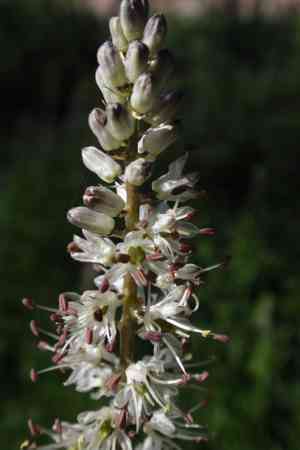
The most suitable period for relocating white rushlily is between mid-spring and the beginning of summer, guaranteeing a spot with ample sunlight or partial shade and soil that drains effectively. Such circumstances foster robust root development and energetic proliferation throughout the plant's primary growth phase.
Necessary Preparations Before Relocating White Rushlily?
Optimal Timing for Moving White Rushlily?
For white rushlily, relocating during the initial to middle part of the growing season yields the best outcomes. This timeframe, spanning from early spring to early summer, enables white rushlily to develop robust roots prior to the peak summer heat. Moving it during this period enhances root growth and lessens transplant shock, leading to a healthier, more vigorous plant.
Required Spacing Between White Rushlily Plants?
Ensure you position white rushlily approximately 12-15 inches (30-38 cm) apart. This provides each plant ample room to expand without crowding, fostering healthy development.
Ideal Soil Mixture for White Rushlily Relocation?
For white rushlily, select well-draining soil with a slightly acidic to neutral pH (6.0-7.0). Incorporate some compost or a balanced base fertilizer to enrich the soil before planting.
Where to Replant Your White Rushlily?
White rushlily thrives best in full sun to partial shade. Select a spot that receives at least 4-6 hours of sunlight daily to ensure optimal growth and blooming.
Equipment to Prepare Before Relocating White Rushlily?
Gardening Gloves
To safeguard your hands while handling soil and the plant.
Shovel or Spade
For excavating around the plant and preparing the new planting site.
Trowel
Useful for more precise digging tasks and lifting smaller plants.
Watering Can or Hose
To hydrate the plant before and after the relocation process.
Wheelbarrow (optional)
For moving the plant if it's large or if the new spot is distant.
Mulch
To aid in retaining moisture around the recently relocated plant.
Bucket
For carrying water or mixed soil if necessary.
How to Extract White Rushlily from the Ground?
How to Extract White Rushlily from the Ground?
From Ground: First, moisten the white rushlily plant to dampen the soil. Then, excavate a wide trench around the plant using a shovel or spade, ensuring the plant's root ball remains intact. Carefully work the spade beneath the root ball to lift the plant from its original spot.From Pot: Thoroughly water the white rushlily plant before removal. Gently tilt the pot on its side and tap the edges to loosen the soil. Carefully slide the plant out, ensuring the root ball is intact. If the plant doesn't come out, use a trowel to help free the roots from the pot’s sides.From Seedling Tray: Water the seedlings well before removal to facilitate the process. Using a trowel or your fingers, gently lift the seedlings from the tray, taking care to support the root system and keeping the soil around the roots intact.
Step-by-Step Guide for Relocating White Rushlily
Prepare the New Location
Dig a hole that is twice the width and the same depth as the white rushlily's root ball. Ensure the hole is wide enough for the roots to spread comfortably.
Remove the Plant
Follow the removal instructions specific to the white rushlily's original placement.
Transfer to New Hole
Position the white rushlily in the center of the hole. Make sure the top of the root ball is level with or slightly above the surrounding soil.
Fill with Soil
Backfill the hole with soil, gently pressing it down to eliminate air pockets. Ensure the plant is stable and upright.
Water Thoroughly
Once the white rushlily is in place, water the area extensively to help settle the soil around the roots.
Apply Mulch (optional)
Apply a layer of mulch around the plant's base to help maintain moisture and control weeds. Be sure to keep the mulch away from the plant's stem to prevent rot.
Post-Transplantation Care for White Rushlily?
Watering
Keep the soil around the white rushlily consistently moist, but not waterlogged, for the initial weeks after relocation to aid in establishing strong roots.
Monitoring
Regularly inspect the plant for indications of stress such as wilting or yellowing leaves, and adjust care practices as needed.
Growth Support
Consider staking the plant if it is tall or top-heavy to offer additional support until it becomes established.
Mulching
Add or adjust mulch as necessary to ensure consistent soil moisture and temperature.
Addressing Common Issues with White Rushlily Relocation.
When is the best time to relocate white rushlily?
Early spring to early summer is the ideal period for moving white rushlily.
What spacing should I use for white rushlily?
Position white rushlily plants 12-15 inches (30-38 cm) apart to ensure adequate growth space.
What soil type does white rushlily prefer?
White rushlily thrives in well-drained, moderately rich soil. Ensure good drainage to prevent root rot.
How deep should I plant the white rushlily rootball?
Plant the rootball of white rushlily at the same depth it was in its original container.
How should I water white rushlily after relocating?
Water white rushlily thoroughly after relocation and keep the soil consistently moist but not saturated.
What temperature is best for white rushlily after relocating?
Maintain a temperature range of 65-75°F (18-24°C) for optimal growth of white rushlily.
Should I fertilize white rushlily after relocating it?
Apply a balanced, slow-release fertilizer following relocation to encourage healthy growth of white rushlily.
How do I handle white rushlily roots during relocation?
Handle the roots of white rushlily gently to prevent damage, ensuring minimal root disturbance.
Why are the leaves of white rushlily turning brown after relocating?
Brown leaves on white rushlily may indicate transplant shock or insufficient watering. Adjust care as needed.
What can I do to help white rushlily settle in its new location?
Mulch around white rushlily to help retain moisture and regulate soil temperature while it establishes itself.



