The White rushlily Plant Advantage: Maximizing Home and Office Appeal and Wellness
1
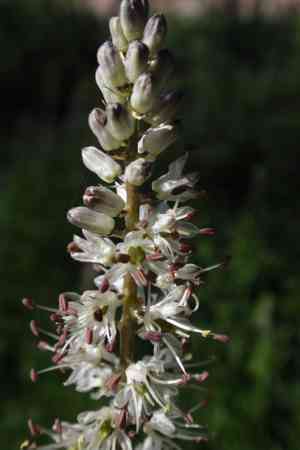
The white rushlily flourishes in damp, exposed environments, frequently appearing in meadows.
2
It is recognized for its remarkably attractive white blossoms, establishing it as a favored decorative plant.
3
White rushlily contributes significantly to sustaining local biodiversity within its natural habitats.
What Makes White rushlily Unique?
Ecological Significance
The ecological importance of White rushlily is immense. This plant flourishes in biodiverse environments like damp grasslands and open fields. It helps stabilize these ecosystems by offering sustenance and refuge to various insects and small creatures. By thriving in these areas, White rushlily aids in maintaining environmental equilibrium, supporting diverse life forms that rely on it for survival.
Aesthetic Appeal
Regarding its beauty, White rushlily is truly captivating. Its delicate yet striking white blossoms make it a favored choice among gardening enthusiasts and landscape designers. The plant's distinct look can elevate the visual charm of any garden or natural setting, making it a desirable inclusion for both private and public green spaces. Its ability to blend seamlessly with other flora while still standing out for its beauty makes White rushlily a versatile plant for decorative purposes.
How Does White rushlily Benefit Gardeners?
Low Maintenance Requirements
One of the most significant advantages for gardeners is that White rushlily demands minimal upkeep. Once established, it flourishes with infrequent watering and can endure weather fluctuations without much intervention. This resilience makes it an excellent option for gardeners seeking a low-effort yet visually appealing plant.
Attracting Wildlife
Gardeners often aim to create spaces that draw in beneficial wildlife, and White rushlily excels in this aspect. Its presence can attract pollinators such as bees and butterflies, which are vital for the health of many garden ecosystems. By cultivating White rushlily, gardeners can foster a more vibrant and dynamic garden environment, supporting the activities of these essential pollinators.
What Are the Traditional Uses of White rushlily?
Historical Relevance
Historically, White rushlily has been employed in various traditional practices, particularly by indigenous communities who recognized its value. While specific applications may differ, the plant has often been incorporated into cultural customs, underscoring its long-standing importance across different societies.
Cultural Impact
Beyond its direct uses, White rushlily holds cultural significance in the regions where it naturally grows. It frequently appears in local folklore and traditions, symbolizing various aspects of nature and existence. This cultural resonance adds a layer of importance to White rushlily, making it more than just a plant but a part of the cultural fabric.
Can White rushlily Support Biodiversity?
Supporting Native Species
White rushlily plays a crucial role in supporting local biodiversity. By providing a habitat and food source for native insects, birds, and small mammals, it helps sustain these populations. This support is especially vital in areas where natural habitats are threatened by urban development or agriculture.
Promoting Ecological Balance
In ecosystems, equilibrium is paramount, and White rushlily contributes effectively to this balance. Its presence can help regulate soil conditions and prevent erosion, further supporting the health of the ecosystem. Thus, the plantâs benefits extend beyond its immediate interactions with wildlife, contributing to broader ecosystem health.
How Can You Grow White rushlily in Your Garden?
Ideal Growing Conditions
To cultivate White rushlily in your garden, specific conditions must be met for optimal growth. The plant prefers moist, well-drained soil and partial to full sunlight. Ensuring these conditions can help the plant establish itself and thrive.
Planting and Care Tips
Planting White rushlily involves placing the bulbs in the ground during the appropriate season, typically in autumn. Providing adequate water during the initial growth phase is essential, though the plant requires less water as it matures. Regular monitoring for pests and ensuring soil fertility can further enhance its growth, making it a beautiful and low-effort addition to your garden.



