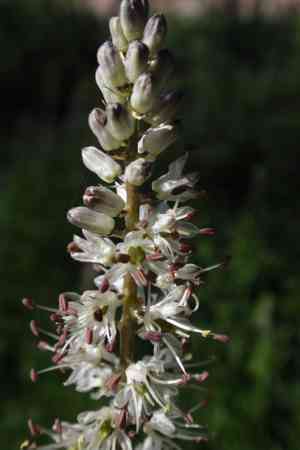
White rushlily (Hastingsia alba)
Also known as: White Rushlily
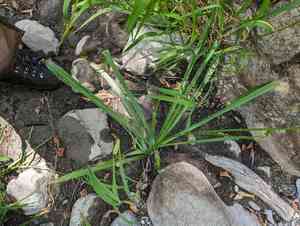
Hastingsia alba, known as white rushlily, originates from a black-coated bulb that measures a few centimeters in width. The plant produces upright stems that range from 40 to 90 centimeters in height. It features several long, slender, arching leaves at its base, while the stems themselves are bare. At the top of each stem, there is a dense, pointed cluster of numerous flowers, with smaller flower groups branching out from lower sections of the stem.
In This Article
Attributes of White rushlily
Lifespan
Perennial
Plant Type
Herb
Plant Height
1-2 feet
Spread
Not applicable
Leaf Color
Green
Flower Size
Approximately 0.5 inches
Flower Color
White
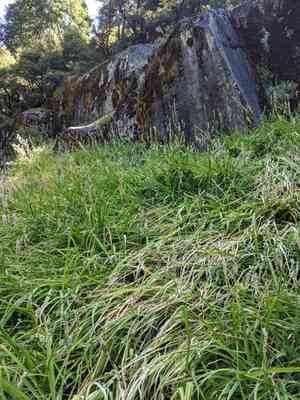
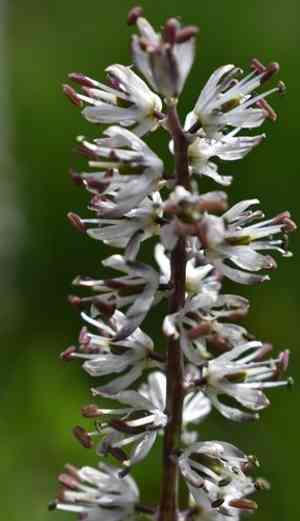
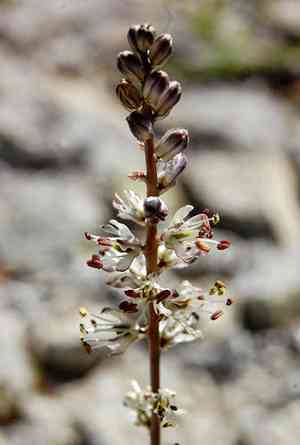
Images of White rushlily
Quickly Identify White rushlily
1
Hastingsia alba can be identified by its erect, unbranched stems, narrow leaves, and dense spikes of small white flowers.
Scientific Classification of White rushlily
Phylum
Vascular plants
Class
Monocotyledons
Order
Asparagales
Family
Asparagus
Genus
Rushlily
Species
White rushlily
Planting and Growing of White rushlily
Care Difficulty
Easy
Watering Schedule
Every 3 days
Sunlight Requirements
Partial sun
Sunshine Duration
4-8 hours
Ideal Temperature
60-75℉
Soil Type
Potting Mix, Peat Mix
Soil pH
6.5-7.5
Fertilizer Type
Balanced
Pruning Season
Spring, Summer
Pruning Area
Branches, Leaves
Pruning Frequency
2 times a year
Repotting Season
Spring
Pot Type
Plastic, Ceramic
 How to Water White rushlily?
For Hastingsia alba, it's best to keep the soil consistently moist but not waterlogged. Watering deeply until the area around the roots is moderately damp often suffices. Use around 150 ml of water per session, ensuring it reaches the roots without pooling.
What are the symptoms of an underwatered White rushlily?
›
What should I do if my White rushlily is not getting enough water?
›
What are the symptoms of an overwatered White rushlily?
›
How to save an overwatered White rushlily?
›
 What Are the Sunlight Requirements for White rushlily?
Partial sun exposure for Hastingsia alba is ideal, as it supports healthy growth and flowering without risking sunburn. Balancing light keeps the plant vibrant and adequately nourished.
What are ideal lighting conditions?
›
How to ensure ideal lighting for Hastingsia alba?
›
What are the benefits of ideal lighting?
›
 What Is the Ideal Temperature Range for White rushlily?
Hastingsia alba thrives best when the ambient temperatures are consistently between 60°F and 75°F. This range allows the plant to perform photosynthesis efficiently, enabling nutrient uptake and overall health. Establishing these conditions can help ensure vibrant foliage and robust growth.
 What Soil is Best for White rushlily?
Hastingsia alba thrives in well-draining soils that prevent water from pooling around the roots. This drainage capacity helps to avoid root rot, thereby promoting healthy growth and vibrant blooms. Rich, nutrient-laden soils support the robust growth of Hastingsia alba. Providing the essential nutrients enhances leaf production and flowering potential, offering a lush display during the growing season. While well-draining, a slight moisture retention is necessary to keep the roots adequately hydrated without becoming waterlogged, offering an optimal balance for growth.
 How to Fertilize White rushlily?
For Hastingsia alba, use a balanced fertilizer with an N-P-K ratio such as 10-10-10. For liquid fertilizers, dilute to a quarter of the recommended strength. For granular slow-release fertilizers, apply about 1/4 cup per plant.
 How to Prune White rushlily?
Start by removing any dead or damaged leaves and stems to encourage healthy growth. Use sharp, clean shears to make cuts at a 45-degree angle, which reduces water accumulation and potential disease entry points. Focus on opening up the plant's center to allow more light and air to reach the interior leaves.
More About Pruning Techniques→
 How to Propagate White rushlily plant?
1
Harvest seeds from mature Hastingsia alba flowers at the end of the growing season. Ensure seeds are dry before storing them in a cool, dark place until ready for sowing.
2
During the early spring, carefully dig around the base of a mature plant. Use a spade to divide the plant into smaller sections, each with a healthy root system.
3
Replant the divided sections in prepared soil with adequate space for growth. Water thoroughly after planting to help establish the new plants.
 How to Repot White rushlily plant?
1
Repotting Hastingsia alba is essential when roots are seen growing out of the drainage holes, indicating that the plant has outgrown its pot. Another signal is if the plant looks leggy, suggesting root binding. Choosing the right time, such as spring or summer, allows the plant to recover faster due to optimal growing conditions.
2
Select a pot that is one size larger than the current one, ensuring it has drainage holes. This prevents root rot by allowing excess water to escape. Using a pot that is too large can cause soil to retain excess moisture and may suffocate roots, so proportional sizing is key.
3
A well-draining loamy mix is ideal, as it offers a balance between retaining necessary moisture and ensuring that excess water can drain away. This type of soil provides essential nutrients while preventing issues related to waterlogging, which can lead to root rot.
Learn More About White rushlily Diseases
Bacterial Leaf Spot
Bacterial Soft Rot
Crown Gall
Damping-off
Downy Mildew
Drought Stress
Fusarium Wilt
Gray Mold
Leaf Spot
Mosaic
Nutrient Deficiency
Nutrient Toxicity
Powdery Mildew
Root Rot
Root-knot Nematode
Rusts
Sooty Mold
Spider Mites
Temperature Stress
Thrips Damage
White Mold
Chemical Injury



