How to Prune White rushlily?
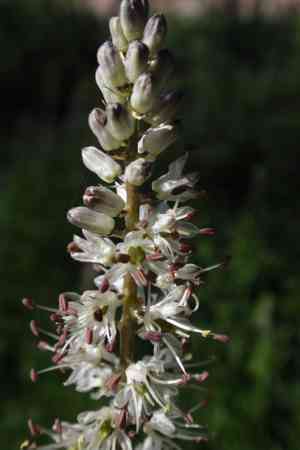
The white rushlily, a prominent perennial, is recognized by its elevated, slender inflorescences of white blossoms. Efficient trimming entails severing faded flower stems post-flowering, generally performed in the latter part of summer. This practice fosters a neat aesthetic and can boost the subsequent season's development. Springtime pruning facilitates the elimination of any foliage damaged during winter, leading to more thriving, sturdier specimens. Consistent trimming of white rushlily amplifies its decorative value and sustains plant vitality, guaranteeing its continued allure in garden settings.
What Are the Benefits of Pruning White Rushlily?
What Are the Benefits of Pruning White Rushlily?
Trimming white rushlily is crucial for maintaining its structure and dense shape. Strategic cutting of its leaves promotes more robust, thicker growth, improving the plant's overall look and vitality.
What Is the Best Time for Pruning White Rushlily?
What Is the Best Time for Pruning White Rushlily?
Pruning white rushlily in Spring is optimal, right after its winter dormancy, allowing gardeners to remove dead or damaged leaves without harming new growth. This timing boosts plant health by lowering disease risk and encouraging stronger development. Summer pruning, soon after the spring growth peak, helps keep its shape and prevents wasted energy on excessive growth. Keeping white rushlily well-trimmed in these seasons maximizes its health and beauty, ensuring it has ample resources for effective blooming.
What Tools Do I Need to Prune White Rushlily?
Sharp scissors or garden shears
For white rushlily, which has delicate, thin leaves, using sharp scissors or garden shears ensures precise cuts without harming nearby plant tissues. This is especially important for preserving white rushlily's aesthetic appeal and health.
Hand pruners
Hand pruners are vital for selectively removing any spent flower stalks or dead foliage from white rushlily. They offer the precision needed to prune without affecting the plant's natural clumping growth habit.
Disinfectant for tools
To prevent disease transmission when pruning white rushlily, it's crucial to disinfect tools before and after use. This ensures each cut is clean and minimizes potential infections.
How to Prune White Rushlily
Identify
Examine and assess the state of white rushlily's foliage and stems, looking for diseased or withered leaves. Check for any signs of discolored or unusual textures that might indicate illness.
Sanitize
Before pruning white rushlily, sterilize pruning tools with a bleach or alcohol solution. This prevents disease spread from infected parts of white rushlily to healthy ones during the pruning process.
Remove leaves
Carefully remove diseased and withered leaves from white rushlily by cutting at the base of the leaf stalk. Ensure cuts are clean and as close to the stem as possible without causing damage.
Prune stems
Inspect white rushlily's stems and trim back any showing signs of disease. Make cuts at a 45-degree angle, several inches below the affected area to ensure all diseased tissue is removed.
Clean up
After pruning, clear away all removed foliage and stems from around white rushlily to prevent possible reinfection. Dispose of the debris in a way that keeps it from contacting other plants or garden areas.
Common Pruning Mistakes with White Rushlily
Overpruning
A common error is removing too much foliage from white rushlily, which can significantly weaken the plant. White rushlily's health depends on its leaves for photosynthesis, and excessive cutting can deplete its energy reserves.
Improper cut technique
Making cuts too close to the bulb or base of white rushlily might harm the plant. Incorrect cutting can lead to damage that makes the plant susceptible to pests and diseases.
Pruning active growth
Cutting white rushlily when new shoots are developing can hinder its growth. Pruning should focus on dead or old foliage to avoid disrupting its growth cycle.
Common Pruning Tips for White Rushlily
Use clean tools
Always use clean and sharp pruning tools to make precise cuts. This helps prevent disease spread and minimizes stress to white rushlily.
Focus on dead material
Remove dead or yellowing leaves from white rushlily to encourage healthier growth and better air circulation around the plant. This also helps reduce the likelihood of disease accumulation.
Shape carefully
White rushlily thrives with minimal shaping. Focus on maintaining its natural form rather than attempting to overly shape or sculpt the foliage.



