How to Transplant Mangabeira?
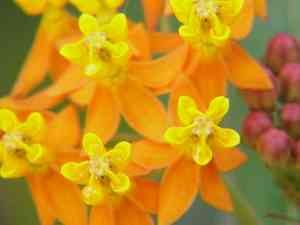
Mangabeira flourishes when relocated from early fall to its vibrant conclusion, as lower temperatures mitigate transplant stress. Select bright, adequately drained sites to foster vigorous development. Exercise care with roots to prevent injury.
What Preparations are Needed Before Transplanting Mangabeira?
What is the Ideal Time for Transplanting Mangabeira?
Mangabeira, a perennial plant, thrives when transplanted from early autumn to late autumn. This period allows the plant to establish roots while avoiding the stress of high summer temperatures. Transplanting during these months ensures robust growth and better acclimatization, leading to healthier long-term development.
How Much Space Should You Leave Between Mangabeira Plants?
For transplanting mangabeira, space the plants 15-20 feet (4.5-6 meters) apart. This allows ample room for growth and development, ensuring each plant gets sufficient sunlight and nutrients.
What is the Best Soil Mix for Mangabeira Transplanting?
Prepare well-drained, sandy loam soil for mangabeira. Enrich the soil with organic matter and a base fertilizer high in phosphorus and potassium. This will provide essential nutrients for healthy root development and overall plant vitality.
Where Should You Relocate Your Mangabeira?
Choose a location that receives full sunlight for at least 6-8 hours daily for transplanting mangabeira. This ensures the plant gets enough light for photosynthesis and healthy growth.
What Equipments Should You Prepare Before Transplantation Mangabeira?
Gardening Gloves
To protect your hands while working with the soil and plant.
Shovel or Spade
To dig a hole for the plant at its new location and to remove the plant from its original location.
Watering Can or Hose
For watering the plant before and after transplanting.
Wheelbarrow (Optional)
For transporting the plant if needed.
Pruners
To trim any damaged roots or branches.
Mulch
To help retain moisture in the soil after transplanting.
Measuring Tape
To ensure proper spacing and depth when digging the hole for transplanting.
How Do You Remove Mangabeira from the Soil?
How Do You Remove Mangabeira from the Soil?
From Ground: First, water the mangabeira plant to dampen the soil. Then, dig a wide trench around the plant using a shovel or spade, ensuring the plant's root ball remains intact. Carefully work the spade under the root ball to lift the plant from its original location.From Pot: Water the mangabeira plant thoroughly. Gently tap the sides of the pot to loosen the soil, then carefully tip the pot on its side and ease the plant out, supporting the base of the plant with your hand.From Seedling Tray: Water the seedlings well. Use a small trowel or your fingers to ease each seedling out of the tray, ensuring you keep as much of the root system intact as possible.
Step-by-Step Guide for Transplanting Mangabeira
Site Preparation
Clear the planting area of weeds and debris. Dig a hole that is two times the width and the same depth as the plantâs current root ball. This ensures the roots have enough room to grow.
Soil Preparation
Backfill the hole with a mix of native soil and compost or well-rotted manure to provide nutrients.
Transplanting
Place the mangabeira plant in the center of the hole. Ensure the top of the root ball is level with the surrounding soil surface. Fill in around the root ball with the prepared soil, gently firming it down to eliminate air pockets.
Watering
Water the plant thoroughly after transplanting to help settle the soil around the roots.
Mulching
Apply a 2-3 inch layer of mulch around the base of the mangabeira plant, keeping it a few inches away from the stem to prevent rot.
How Do You Care For Mangabeira After Transplanting?
Watering
Keep the soil around the mangabeira consistently moist, but not soggy, for the first few weeks after transplanting to help establish strong roots.
Monitoring
Check the plant regularly for signs of transplant shock, such as wilting or yellowing leaves, and adjust care as needed.
Protection
If necessary, provide support such as stakes to help the plant stay upright until it is established.
Pruning
Remove any damaged or dead branches to encourage new growth and reduce stress on the plant.
Troubleshooting Common Issues with Mangabeira Transplantation.
When is the best time to transplant mangabeira?
The best period to transplant mangabeira is from early fall to late fall.
How much space should be between mangabeira plants?
Space mangabeira plants 15-20 feet (4.5-6 meters) apart.
What type of soil is ideal for transplanting mangabeira?
Use well-draining, fertile soil for optimal growth of mangabeira.
Should I water mangabeira immediately after transplanting?
Yes, water mangabeira thoroughly right after transplanting to establish roots.
How deep should I plant mangabeira when transplanting?
Plant mangabeira at the same depth it was growing previously to prevent shock.
Can I fertilize mangabeira right after transplanting?
Wait a few weeks before fertilizing mangabeira to avoid stressing the plant.
What is the ideal temperature for transplanting mangabeira?
Transplant mangabeira in mild temperatures around 60-75°F (15-24°C) to reduce stress.
How do I protect mangabeira from transplant shock?
Water regularly, mulch, and avoid disturbing the roots to minimize transplant shock for mangabeira.
Is it necessary to prune mangabeira during transplanting?
Prune damaged roots and branches to ensure healthy growth of mangabeira after transplanting.
What should I do if mangabeira shows signs of wilting?
Water more frequently and provide shade until mangabeira recovers from transplanting stress.



