How to Prune Mangabeira?
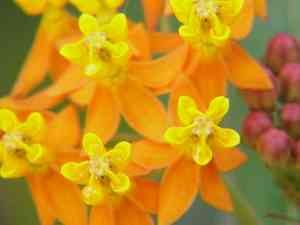
Mangabeira flourishes as a tropical variety, featuring lustrous foliage and aromatic blossoms. Perform pruning in early spring or late winter, precisely before the emergence of new shoots. Employ sanitized, keen implements to excise deceased or ailing branches, sculpt the plant, and foster air movement. Consistent trimming aids in sustaining a manageable stature, encourages more robust development, and boosts fruit production. Verify that incisions are executed directly above leaf junctions or budding points to avert harm. Appropriate pruning bolsters the plant's comprehensive vigor and output.
What Are the Benefits of Pruning Mangabeira?
What Are the Benefits of Pruning Mangabeira?
Mangabeira thrives with trimming to encourage robust development and maintain its form. This practice promotes healthy growth, boosts flowering and fruiting, manages size, enhances appearance, and strengthens resistance to pests and diseases.
What Is the Best Time for Pruning Mangabeira?
What Is the Best Time for Pruning Mangabeira?
Trimming mangabeira in early spring and late winter is optimal as it aligns with the plant's dormant phase, minimizing stress and disease risk. This timing allows for the removal of dead or damaged limbs before the active growth period, fostering better health and more vigorous new shoots. Furthermore, pruning prior to the flowering season ensures the plant's energy is directed towards producing blooms and fruits instead of sustaining old or unhealthy growth.
What Tools Do I Need to Prune Mangabeira?
Hand Pruners
Perfect for snipping small branches and shoots up to 0.75 inches in diameter. Essential for preserving the shape and vitality of mangabeira.
Loppers
Required for cutting thicker branches between 0.75 to 1.5 inches in diameter. Useful for removing larger, overgrown sections of mangabeira.
Pruning Saw
Needed for trimming branches exceeding 1.5 inches in thickness. Helps manage significant growth without harming mangabeira.
Bypass Pruners
Recommended for making clean cuts on living wood, reducing damage and encouraging healthy regrowth on mangabeira.
Anvil Pruners
Best for cutting through dead or tough wood, aiding in the clean removal of damaged or deceased parts from mangabeira.
How to Prune Mangabeira
Identify
Examine mangabeira for dead and diseased branches. Carefully inspect each branch from its base to its tip to differentiate between healthy and unhealthy sections.
Sanitize
Before making any cuts, disinfect your pruning tools with a 70% isopropyl alcohol solution or a 1:9 bleach-to-water mixture to prevent disease spread.
Remove dead
Begin by cutting dead branches close to the main stem, ensuring clean cuts just above the branch collar without harming the stem tissue.
Remove diseased
Sever diseased branches at least 6 inches below the signs of infection to guarantee all affected tissue is eliminated. Dispose of these branches properly to avoid contamination.
Inspect
After pruning, re-examine mangabeira to confirm all dead and diseased branches are gone. Clean tools again post-pruning to maintain hygiene.
Common Pruning Mistakes with Mangabeira
Technique
Incorrect cutting methods, such as making ragged cuts or cutting too close to the main stem, which can injure the plant and increase its susceptibility to diseases.
Timing
Pruning at an inappropriate time outside the recommended season can cause shock or stress, impacting the plantâs ability to produce flowers and fruit.
Amount of pruning
Excessive pruning by removing too much foliage at once can weaken the plant and hinder its development. Conversely, insufficient pruning can lead to overcrowded branches, reducing air circulation and increasing disease vulnerability.
Tool maintenance
Using dull or unclean pruning tools can introduce pathogens to the plant, leading to infections and poor healing at cut sites.
Common Pruning Tips for Mangabeira
Clean and sharp tools
Always use clean and sharp tools to make precise cuts and prevent the introduction of diseases.
Angle of cut
Make cuts at a slight angle (around 45 degrees) just above an outward-facing bud or node to encourage growth away from the center and upwards.
Inspect plant
Regularly check mangabeira and remove any dead, damaged, or diseased branches to maintain plant health and vigor.
Thin branches
Thin out congested areas to improve air circulation, which helps prevent fungal diseases and promotes uniform growth.
Cutting order
Start by removing the larger, problematic branches before focusing on smaller, finer cuts, ensuring not to compromise the plantâs structural integrity.



