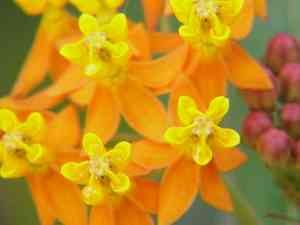
Mangabeira (Hancornia speciosa)
Also known as: Mangaba, Mangabeira
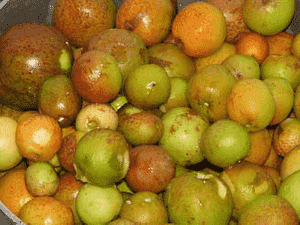
The mangabeira tree, indigenous to South America, is notable for its sturdy structure. It features wide, shiny green leaves that are visually striking, and it blooms with fragrant flowers ranging from white to creamy shades. Adapted to withstand dry environments, the tree has a thick trunk that stores water efficiently. It produces yellowish, sweet-tasting fruits that are enjoyed by local wildlife and hold significant value in regional cuisine.
In This Article
Attributes of Mangabeira
Lifespan
Perennial
Plant Type
Tree
Plant Height
4-10 meters
Spread
3-5 meters
Leaf Color
Dark green
Flower Size
1-2 cm
Flower Color
White
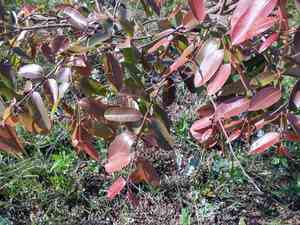
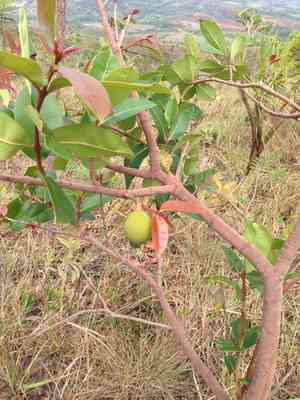
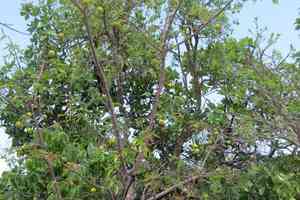
Images of Mangabeira
Quickly Identify Mangabeira
1
To identify Hancornia speciosa, look for a small to medium-sized tree with a dense, rounded crown. The leaves are simple, oblong, and dark green. The flowers are white and fragrant. The fruit is oval, with a yellow to light orange color when ripe.
Scientific Classification of Mangabeira
Phylum
Vascular plants
Class
Dicotyledons
Order
Gentianales
Family
Dogbane
Genus
Hancornia
Species
Mangabeira
Planting and Growing of Mangabeira
Care Difficulty
Moderate
Watering Schedule
Every 3 days
Sunlight Requirements
Full sun
Sunshine Duration
6-10 hours
Ideal Temperature
68-86℉
Soil Type
Potting Mix, Peat Mix
Soil pH
6.5-7.5
Fertilizer Type
Balanced
Pruning Season
Spring, Summer
Pruning Area
Branches, Leaves
Pruning Frequency
2 times a year
Repotting Season
Spring
Pot Type
Plastic, Ceramic
 How to Water Mangabeira?
Hancornia speciosa requires watering that saturates the soil without waterlogging it. Aim for about 500 ml per session, ensuring the soil is moist to the touch but not soggy. It's important to remember that this plant appreciates consistent moisture but dislikes being in constantly wet soil.
What are the symptoms of an underwatered Mangabeira?
›
What should I do if my Mangabeira is not getting enough water?
›
What are the symptoms of an overwatered Mangabeira?
›
How to save an overwatered Mangabeira?
›
 What Are the Sunlight Requirements for Mangabeira?
Hancornia speciosa thrives best in full to partial sun conditions. Adequate light promotes vigorous growth, enhances blooming, and boosts the plant's resilience against pests and diseases.
What is the optimal sunlight exposure for Hancornia speciosa?
›
How can you ensure Hancornia speciosa receives adequate light?
›
What benefits does optimal sunlight provide?
›
 What Is the Ideal Temperature Range for Mangabeira?
Hancornia speciosa thrives in tropical climates where the temperature comfortably stays between 68°F and 86°F. This range ensures the plant gets enough warmth to support healthy growth and optimal metabolic processes. Staying within this window helps prevent any thermal stress, contributing to optimal physiological functioning and improved resistance against pests and diseases.
 What Soil is Best for Mangabeira?
Hancornia speciosa thrives best in nutrient-rich soils that promote robust growth and fruit production. Richly endowed soils provide the necessary fertility to support its development, resulting in healthier and more vigorous plants. Well-draining soil is imperative for Hancornia speciosa to prevent root rot. Alongside the plant's natural hydration, such soils ensure that excess water doesn't stagnate, preserving the health of the roots and overall plant longevity. The presence of moderate levels of organic matter in the soil boosts microbial activity and enhances soil structure, which is crucial for optimal nutrient uptake by Hancornia speciosa.
 How to Fertilize Mangabeira?
For Hancornia speciosa, apply liquid fertilizer at a concentration of 1/4 strength recommended on the label. When using granular fertilizer, apply approximately 50 grams near the root zone, ensuring it is evenly distributed. Take care not to over-fertilize as it could lead to nutrient imbalances in the plant.
 How to Prune Mangabeira?
Begin by identifying any dead or diseased branches. These should be removed first, making clean cuts just above healthy nodes. Look for branches that appear dry, brittle, or have visible signs of disease. To maintain its natural shape, focus on removing any crossing branches that may cause damage by rubbing against each other. Trim back branches that disrupt the plant’s desired form or encourage an open center for better air circulation.
More About Pruning Techniques→
 How to Propagate Mangabeira plant?
1
Soak Hancornia speciosa seeds in warm water for 24 hours before planting. This helps to soften the seed coat, promoting faster germination by allowing moisture to penetrate the seed shell more effectively.
2
Select healthy branches and cut 6-8 inches sections with at least two leaf nodes. Remove lower leaves and dip the cut end in rooting hormone. This encourages root development and prevents rot.
3
Use side veneer grafting techniques for Hancornia speciosa. The graft union should be secured tightly using grafting tape, ensuring proper alignment of cambial layers for successful healing and growth.
 How to Repot Mangabeira plant?
1
Hancornia speciosa should be repotted if you notice roots coming out from the drainage holes or if the plant has visibly outgrown its current pot. Spring and summer are ideal times because during these seasons, the plant is in its active growth phase, allowing it to recover more quickly from the shock of repotting.
2
Select a pot that is only slightly larger than the current one, with proper drainage holes. This ensures that the plant won't hold excessive moisture which could lead to root rot, and the manageable increase in size helps the plant establish itself more easily.
3
Opt for a soil mix that mimics its natural habitat, which is well-draining and sandy. This type of soil prevents waterlogging by allowing excess water to drain away quickly, which is essential for preventing root diseases and promoting healthy growth.



