How to Propagate Mangabeira?
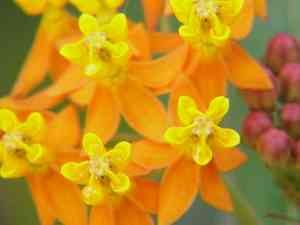
Mangabeira flourishes in temperate environments featuring sandy, well-draining earth. Reproducing via cuttings guarantees genetic uniformity and proves successful for this particular variety. Choose robust, semi-woody cuttings, apply rooting stimulant, and embed them in a fertile growing medium. Maintain a moist atmosphere to foster root formation. Consistent irrigation and pest surveillance will optimize prosperous development.
Optimal Period for Mangabeira Propagation?
Propagation Method
Cutting
Propagation Period
Autumn,Winter
Essential Tools for Mangabeira Propagation?
Pruning Shears
Utilized for taking clean mangabeira cuttings without causing undue plant harm. Quality, sharp shears lessen infection risk and enable precise cuts vital for successful rooting.
Rooting Hormone
Application of rooting hormone to mangabeira cuttings can boost root formation and improve propagation success by stimulating quicker root development.
Sterile Growing Medium
A well-draining, sterile substrate like perlite, vermiculite, or sterilized potting mix offers a clean environment for mangabeira cuttings to root, free from fungal infections or pests.
Propagation Trays
Propagation trays provide a controlled setting for multiple mangabeira cuttings, allowing easy monitoring of moisture levels and root growth. These often include humidity domes for maintaining necessary moisture.
Transparent Plastic Bags or Humidity Domes
Covering cuttings with clear plastic bags or using propagation trays with humidity domes helps retain moisture, creating a microenvironment that prevents drying out, crucial for delicate mangabeira cuttings.
Misting Bottle
Used to maintain moisture around mangabeira cuttings without overwatering. Gentle misting keeps leaves hydrated, reducing wilting and aiding the rooting process.
Heat Mat
A heat mat beneath propagation trays ensures consistent bottom warmth, which can accelerate root formation for mangabeira, especially in cooler climates or off-season.
Scalpel or Grafting Knife
For making accurate, clean incisions to encourage callus formation and rooting. These tools are also easily sterilized, reducing contamination risk for mangabeira cuttings.
Labeling Stakes or Tags
Crucial for tracking various mangabeira cuttings and their propagation stages. Proper labeling assists in documenting progress and identifying effective methods.
Disinfectant Solution
Used to sanitize tools and surfaces to prevent the spread of pathogens that can harm mangabeira cuttings. Ensuring all equipment is sterile is vital for disease prevention.
How to Propagate Mangabeira?
Propagation Type
Moderately Difficult
Caring for Your Newly Propagated Mangabeira?
Caring for Your Newly Propagated Mangabeira?
Once the mangabeira cutting has rooted and shows new growth, gradually introduce it to outdoor conditions or direct sunlight. Keep the soil consistently moist but well-drained. Fertilize with a balanced, slow-release fertilizer bi-monthly during the growing season. Regularly check for pests and diseases, and prune as needed to encourage a bushier habit. Mangabeira thrives in tropical or subtropical climates, so shield it from extreme cold and slowly acclimate it to outdoor conditions if started indoors.
Common Errors to Avoid When Propagating Mangabeira
Overwatering
Excessive moisture can lead to root rot, negatively impacting root development and overall plant health.
Underwatering
Insufficient moisture can cause dehydration, stunting growth and hindering proper establishment.
Improper Soil Type
Using soil that drains poorly can suffocate roots, while overly sandy soil may not retain enough moisture.
Lack of Sunlight
Insufficient light can result in weak, leggy plants that struggle to thrive.
Incorrect Cutting Techniques
Improperly cutting the plant can damage it and reduce the chances of successful rooting and growth.
Tips For Propagating Mangabeira
Use Well-Drained Soil
Ensure the soil mix allows for good drainage to prevent waterlogging and root rot.
Maintain Proper Watering
Keep the soil consistently moist but not waterlogged to promote healthy root development.
Provide Adequate Light
Place cuttings in an area with plenty of indirect sunlight to encourage strong, healthy growth.
Apply Rooting Hormone
Use rooting hormone on cuttings to enhance root formation and increase propagation success.
Ensure Clean Cuts
Use sharp, clean tools to make precise cuts, which helps prevent disease and promotes quicker healing and rooting.



