How to Transplant Niger?
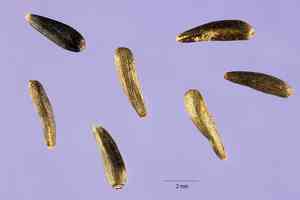
For niger, the ideal period for transplanting is during the vibrant energy of early to mid-spring, facilitating excellent root development. Choose a bright location featuring soil that drains effectively. Should it be necessary, enhance the area with organic material to support niger's emerging growth.
What Preparations are Needed Before Transplanting Niger?
What is the Ideal Time for Transplanting Niger?
The best time to move niger is at the start of spring, ideally from early to mid-spring. This period offers niger mild weather and sufficient time to establish roots before summer's intense heat. Transplanting niger during this season leverages its natural growth cycle, leading to strong development and abundant yields. Choosing this timeframe for transplanting aligns with the plant's natural preparation phase, ensuring a smooth transition from pot to garden.
How Much Space Should You Leave Between Niger Plants?
When relocating your niger, ensure each plant has enough room to grow and flourish. Maintain a distance of approximately 2-3 feet (60-90 cm) between individual plants. This provides ample space for sunlight and nutrients to reach them!
What is the Best Soil Mix for Niger Transplanting?
For niger, proper soil preparation is crucial. A rapidly draining soil enriched with compost or manure would be perfect. Additionally, begin with a foundational fertilizer – a balanced 10-10-10 ratio works well for niger.
Where Should You Relocate Your Niger?
Your niger thrives in sunlight. Locate a spot in your garden that receives direct sun for at least 6-8 hours daily. This will ensure your niger grows vigorously and blooms beautifully!
What Equipments Should You Prepare Before Transplantation Niger?
Gardening Gloves
These will safeguard your hands while handling soil and the niger plant.
Garden Trowel
This small hand tool is perfect for digging minor holes and extracting plants from containers or trays.
Gardening Spade
This will be necessary to excavate the hole in your garden where the niger plant will be moved.
Watering Can
Essential for hydrating the niger plant both before and after its relocation.
Mulch
This helps maintain soil moisture and keeps the niger plant's roots cool.
Hand Pruners
These might be needed to trim any excess or damaged parts of the niger plant prior to transplanting.
How Do You Remove Niger from the Soil?
How Do You Remove Niger from the Soil?
From Ground: First, water the niger plant to moisten the soil. Using the garden spade, dig a wide trench around the plant, ensuring the plant's root ball remains intact. Carefully work the spade beneath the root ball to lift the plant from its original spot.From Pot: Start by watering the pot thoroughly so the soil is damp and the root ball stays together. Invert the pot and gently tap the edges until the niger plant slides out. Handle the plant by its root ball, not by the stem.From Seedling Tray: For seedlings, simply push up from the tray's bottom to lift the niger plant. Handle the seedling by its leaves to avoid harming the stem or root system.
Step-by-Step Guide for Transplanting Niger
Surveying the Spot
The ideal location for the niger should have adequate drainage, as waterlogged conditions can harm the plant.
Digging
Using the spade, dig a hole that is twice as wide and the same depth as the root ball.
Placement
Ensure the top of the root ball is level with the soil surface when placed in the hole. Backfill with soil and firm around the base to secure the plant.
Watering
Water well using the watering can after transplanting the niger.
Mulching
Apply a layer of mulch around the niger to help retain soil moisture and regulate soil temperature.
How Do You Care For Niger After Transplanting?
Watering
For the initial few weeks, keep the soil around the niger consistently moist, but not waterlogged, to establish strong roots.
Pruning
Remove any dead or dying leaves to encourage new growth and maintain the plant's health.
Protection
Monitor for insects and pests that might harm the niger and take appropriate action.
Feeding
After a month, consider a balanced liquid feed to provide the plant with a nutrient boost, provided it's not already present in your soil mix.
Troubleshooting Common Issues with Niger Transplantation.
When is the perfect time for transplanting niger?
The ideal transplanting time for niger is during Season1 and Season2. This period will allow it sufficient growing time.
What should the spacing be when transplanting niger?
To allow niger enough room to grow, maintain a spacing of approximately 2-3 feet (60-90 cm) between each plant.
What could be causing wilting in my newly transplanted niger?
Wilting might be due to transplanting stress. Water it regularly and keep it in partial shade for the first few days.
Can niger be transplanted directly into the garden?
Absolutely! But acclimate it first to prevent shock. Gradually adjust niger to outdoor conditions over 7-10 days before transplanting.
Why are my transplanted niger looking stunted?
Niger could be stunted due to compacted soil, which hinders root growth. Loosen the soil and provide ample watering.
Why do the leaves of my niger turn yellow after transplanting?
Yellowing leaves could indicate overwatering or a lack of nutrients. Ensure well-drained soil and avoid applying excessive water.
Should I feed niger right after transplanting them?
Wait 2-3 weeks before feeding newly transplanted niger to prevent root burn. Use a slow-release fertilizer for optimal results.
How can I prevent my niger from going into shock after transplantation?
Try to transplant niger on a cloudy day or in the late afternoon. This will reduce water loss and stress, preventing transplant shock.
Why does my niger not thrive despite following transplantation guidelines?
Check for pests or diseases, as these can impede growth. Also, ensure niger isn't exposed to extreme conditions which can potentially stress it.
What's the best soil mix for transplanting niger?
Niger thrives in well-draining, fertile soil. Consider a mix that includes compost or well-rotted manure to provide the necessary nutrients.



