How to Propagate Niger?
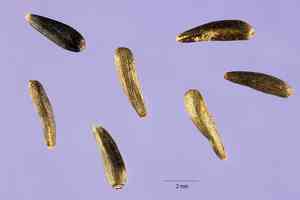
Niger reproduces via seeding; the optimal period is during springtime. Its propagation process is quite straightforward, with successful germination typically observed within 7-10 days. To achieve the most favorable outcomes, ensure steady hydration.
When Is the Optimal Time to Propagate Niger?
Propagation Method
Seeding
Propagation Period
Spring
What Equipment Is Used in Niger Propagation?
Seed trays or flats
These shallow containers are perfect for initiating niger seeds. Their compact design optimizes soil media usage and helps maintain consistent moisture, vital for germination.
Sterile seed starting mix
A well-draining, nutrient-rich, pathogen-free medium is essential for niger germination. It helps prevent damping-off and other seedling ailments.
Dibber or seed sower
This tool enables precise placement and correct depth for niger seeds, crucial for achieving optimal germination rates.
Plastic domes or clear covers
Covering seed trays maintains high humidity and stable temperatures, creating a microclimate that supports niger germination.
Watering can with a fine rose
A watering can with a fine rose or mist setting provides gentle irrigation that won't disturb or dislodge small niger seeds or seedlings.
Heat mat
This device delivers consistent bottom heat, beneficial for niger germination, especially in cooler conditions, by helping maintain the ideal soil temperature.
Grow lights
If natural light is insufficient, grow lights are necessary for providing the appropriate light spectrum and intensity that niger seedlings need for healthy development.
Labeling tags or markers
Labels are important for recording sowing dates and tracking niger's growth stages. This ensures proper care and timely progression in cultivation.
Ventilation tool (e.g., fan)
Gentle airflow from a small fan helps strengthen niger seedlings' stems and reduces fungal disease risk by ensuring good air circulation around the plants.
How to Propagate Niger?
Propagation Method
Seeding
Difficulty Level
Easy
How to Care for Your Newly Propagated Niger?
How to Care for Your Newly Propagated Niger?
After propagation, continue to irrigate niger regularly to keep the soil consistently moist but not saturated. Provide ample sunlight and protect against pests and diseases by inspecting plants periodically. Stake any tall niger varieties for support if needed, and continue to weed the area. Harvest niger as seeds mature, typically several months post-sowing. Monitor for the correct harvest time as niger seed heads darken and seeds firm up.
Common Errors to Avoid When Propagating Niger
Overwatering
Excessive water can lead to root rot and fungal infections, which can be detrimental to niger's growth and development. Overwatering often mimics drought symptoms, causing gardeners to add more water and worsen the issue.
Deep sowing
Niger seeds require light for optimal germination; planting them too deeply can prevent sufficient light exposure, leading to reduced or failed germination rates.
Ignoring spacing
Crowding niger plants can impede their access to sunlight and nutrients, and also encourage disease spread. Proper spacing is vital for adequate air circulation and light penetration.
Neglecting soil preparation
Niger thrives in well-drained soil with moderate fertility. Failing to adequately prepare the soil by incorporating organic matter and ensuring the correct pH can hinder the plant's growth and yield.
Using old seeds
Aged or improperly stored seeds may have significantly reduced germination rates. Using fresh, viable seeds is crucial for successful niger propagation.
Tips For Propagating Niger
Proper seed depth
Sow niger seeds at a shallow depth, about 1-2 cm deep, to ensure they receive enough light for effective germination.
Soil medium
Utilize a well-draining soil mix containing organic matter. Before planting, ensure the soil is loose and aerated, which will promote healthy root development for niger.
Adequate spacing
Space niger plants approximately 30-37.5 cm (12-15 inches) apart. This spacing allows individual plants to grow robustly and minimizes competition for nutrients and light.
Careful watering
Keep the soil moist but not waterlogged when propagating niger. After seedlings are established, water deeply but less frequently to encourage strong root growth.
Seed viability
Test niger seed viability by soaking them in water for a few hours. Viable seeds typically sink, while non-viable ones tend to float. Use seeds that pass this test to increase successful propagation chances.



