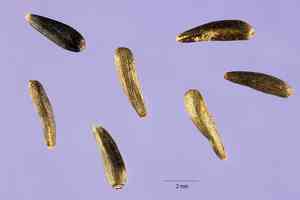
Niger (Guizotia abyssinica)
Also known as: Niger seed, Inga seed, Noog
Niger (Guizotia abyssinica) is an annual shrub grown for its edible oil and seeds which resemble small black sunflower seeds. Attracts birds and the seeds are used worldwide in commercial bird seed. The oil extracted from the seeds has a light nutty flavor. Yellow flowers bloom from summer to fall. Prefers sun to partial shade.
In This Article
Attributes of Niger
Lifespan
Annual
Plant Type
Herb
Plant Height
1.2 m to 1.8 m
Spread
30 cm
Leaf Color
Bright green
Flower Size
1.5 cm to 2 cm
Flower Color
Yellow
Images of Niger
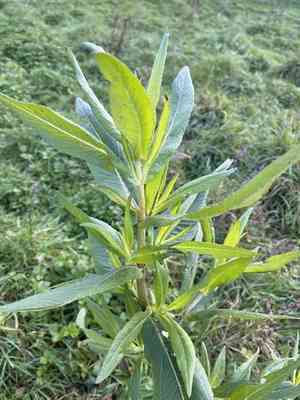
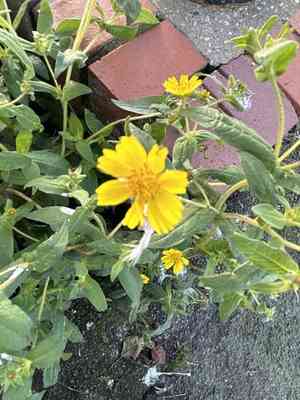
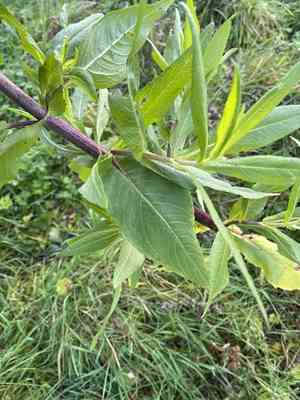
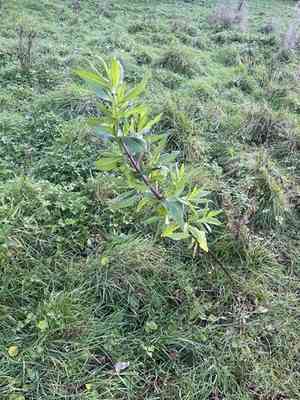
Quickly Identify Niger
1
To identify Guizotia abyssinica, look for a plant with bright green leaves that are lanceolate and serrated along the edges. The flowers are daisy-like, bright yellow with a diameter of about 3-4 cm. The seeds are small, black, and ovoid.
Scientific Classification of Niger
Phylum
Vascular plants
Class
Dicotyledons
Order
Asterales
Family
Daisy
Genus
Sunflecks
Species
Niger
Planting and Growing of Niger
Care Difficulty
Easy
Watering Schedule
Every 4 days
Sunlight Requirements
Full sun
Sunshine Duration
4-6 hours
Ideal Temperature
68-77℉
Soil Type
Potting Mix, Peat Mix
Soil pH
6.5-7.5
Fertilizer Type
Balanced
Pruning Season
Spring, Summer
Pruning Area
Branches, Leaves
Pruning Frequency
2 times a year
Repotting Season
Spring
Pot Type
Plastic, Ceramic
 How to Water Niger?
For Guizotia abyssinica, watering should be done until the soil is evenly moist but not waterlogged. The water should be able to penetrate deep into the soil, ensuring that the roots have access to moisture. This generally means around 250 ml per watering session, depending on pot size.
What are the symptoms of an underwatered Niger?
›
What should I do if my Niger is not getting enough water?
›
What are the symptoms of an overwatered Niger?
›
How to save an overwatered Niger?
›
 What Are the Sunlight Requirements for Niger?
Guizotia abyssinica prefers full sun exposure with an ideal range of at least six hours of sunlight daily. This enables the plant to flourish, promoting healthy foliage and supporting its flowering process, which is vital for seed production.
More About Sunlight Requirements Techniques→
What environmental conditions suit Guizotia abyssinica?
›
What are the best practices for ensuring ideal sunlight?
›
How does optimal sunlight benefit Guizotia abyssinica?
›
 What Is the Ideal Temperature Range for Niger?
Guizotia abyssinica thrives best within an ideal temperature range of 68 to 77 degrees Fahrenheit. Maintaining this temperature ensures optimal growth and blooming. At these temperatures, the plant can efficiently perform photosynthesis and nutrient uptake, leading to robust health and productivity.
 What Soil is Best for Niger?
Guizotia abyssinica thrives best in well-draining soils that prevent waterlogging, which can lead to root rot. Ensuring good drainage supports healthy root development and maximizes plant growth and yield. Rich in organic matter, this plant needs soil that can provide necessary nutrients for vigorous growth. The presence of essential nutrients like nitrogen and phosphorus enhances flowering and seed production. While Guizotia abyssinica benefits from well-drained soils, a certain level of moisture retention is critical to sustain the plant during dry spells. This balance supports consistent growth without the risk of drought stress.
 How to Fertilize Niger?
For Guizotia abyssinica, it's crucial to provide a balanced amount of nutrients. Use approximately 1 teaspoon of liquid fertilizer per gallon of water. For slow-release fertilizers, scatter about 4-6 tablespoons per plant annually, ensuring it meets the nutritional demands without overloading the soil.
 How to Prune Niger?
To prune Guizotia abyssinica, start by identifying and removing dead or damaged stems, preferably with sharp pruning shears to ensure a clean cut. Focus on cutting back overly long branches to maintain a neat, compact shape. Be gentle and considerate to ensure that the plant retains its natural habit while promoting robust growth.
More About Pruning Techniques→
 How to Propagate Niger plant?
1
Begin by collecting mature seeds from the Guizotia abyssinica plant. Clean them thoroughly to remove any debris or plant material that could harbor disease.
2
Fill seed trays with a moistened potting mix and evenly sprinkle seeds over the surface. Cover them lightly with a thin layer of soil to protect them from direct sunlight.
3
Place the trays in a warm, bright location to encourage germination, which typically occurs within 1-2 weeks. Once seedlings are large enough to handle, transplant them to individual pots.
 How to Repot Niger plant?
1
The best time to repot Guizotia abyssinica is when you notice roots circling the pot or emerging from the drainage holes. Another sign is slowed growth despite adequate light and water. Typically, repotting is optimal just as new growth begins in spring or summer, ensuring the plant quickly establishes in its new home.
2
Opt for a pot that's one size larger than the current one, with adequate drainage holes to prevent waterlogging. The right pot provides room for root growth and ensures healthier development, leading to robust flowering and overall plant vitality.
3
Select a well-draining, nutrient-rich soil mix. This type of soil promotes healthy root development and prevents root rot by allowing excess water to escape efficiently. It supports optimal plant health, encouraging lush growth and vibrant blooms.



