The Niger Plant Advantage: Maximizing Home and Office Appeal and Wellness
1
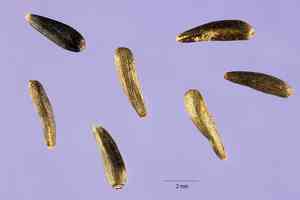
Niger seeds contain abundant vital fatty acids, especially omega-3 and omega-6.
2
Niger oil finds extensive culinary application owing to its subtle taste and health advantages.
3
This plant is frequently employed in eco-friendly farming because of its beneficial effects on soil.
What Are the Nutritional Advantages of Niger?
Abundant Source of Key Fatty Acids
Niger seeds are replete with vital fatty acids such as omega-3 and omega-6. These fatty acids are crucial for maintaining cardiac wellness, mitigating inflammation, and fostering cognitive function. Incorporating Niger into your diet can aid in balancing your intake of these essential nutrients.
Elevated Protein Content
Niger seeds are not merely a source of beneficial fats but are also rich in protein. Possessing a greater protein concentration than many other seeds, Niger can be a valuable addition to plant-based diets and for those seeking alternative protein sources. It assists in muscle repair and development while offering a satisfying effect.
How Is Niger Utilized in Culinary Arts?
Oil Extraction and Gastronomic Applications
A primary application of Niger involves the extraction of its oil. Renowned for its subtle taste, Niger oil is a versatile component in various cooking methods. It can be employed for frying, sautéing, and even in salad dressings. The oil is not only palatable but also offers numerous health benefits due to its rich content of essential fatty acids.
Baked Goods and Snack Items
Niger seeds are frequently incorporated into baked items and snack foods. Their nutty flavor and crisp texture render them a popular inclusion in bread, cookies, and granola. Furthermore, they can be roasted and consumed as a snack, providing a nutritious alternative to conventional snack choices.
What Are the Agricultural Advantages of Cultivating Niger?
Soil Enhancement and Weed Control
Niger plays a vital role in sustainable farming practices. The plant is excellent for soil vitality, as it aids in suppressing weeds and contributes organic matter to the soil. Its deep root system helps improve soil structure and nutrient levels, making it an ideal candidate for crop rotation.
Minimal Input Requirements
Unlike many other crops, Niger demands minimal inputs, making it an environmentally sound choice for cultivators. It adapts well to diverse climatic conditions and soil types, lessening the need for chemical fertilizers and pesticides. This not only promotes ecological sustainability but also supports the financial well-being of farmers.
How Does Niger Support Environmental Sustainability?
Biodiversity Enhancement
Cultivating Niger assists in fostering biodiversity, which is fundamental for ecosystem resilience. By integrating Niger into agricultural landscapes, farmers can encourage a diverse array of flora and fauna, thereby supporting ecological equilibrium.
Carbon Sequestration
Niger can also contribute to carbon sequestration, a critical process for combating climate change. The plant's capacity to capture and store atmospheric carbon in the soil helps mitigate the effects of greenhouse gases and promotes a healthier environment.
Economic Significance of Niger
Income for Small-Scale Farmers
Niger is often cultivated by small-scale farmers in developing regions, providing a dependable source of income. The plant's adaptability and low input needs make it an economically viable option, helping to improve livelihoods and alleviate poverty.
Market Potential
With the increasing interest in health-conscious foods and sustainable agriculture, Niger possesses substantial market potential. The demand for Niger oil and seeds is on the rise, presenting new opportunities for market expansion and economic growth.



