How to Transplant Roughbark lignum-vitae?
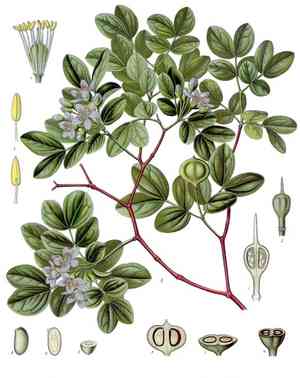
For optimal growth, the ideal period to relocate roughbark lignum-vitae is from the latter part of spring through the initial weeks of summer, when temperatures are higher. Select a location that receives ample sunlight and possesses soil with good drainage, and contemplate incorporating mycorrhizal fungi to aid in root establishment and resilience to environmental pressures.
What Preparations are Needed Before Transplanting Roughbark Lignum-vitae?
What is the Ideal Time for Transplanting Roughbark Lignum-vitae?
Aim to relocate your roughbark lignum-vitae during the transition from late spring to early summer, when moderate temperatures aid in stress-free establishment. Moving roughbark lignum-vitae at this time ensures root development isn't hampered by extreme conditions and the plant has ample opportunity to flourish before winter. The pleasant climate of late spring supports roughbark lignum-vitaeâs adjustment, providing a mix of warmer soil and mild weather, thereby lessening transplant shock and boosting growth potential.
How Much Space Should You Leave Between Roughbark Lignum-vitae Plants?
When relocating roughbark lignum-vitae, ensure it has ample room to expand. Position each plant approximately 4-5 feet (1.2-1.5 meters) apart. This will enable it to thrive without competing for resources.
What is the Best Soil Mix for Roughbark Lignum-vitae Transplanting?
For roughbark lignum-vitae, it's crucial to prepare well-draining soil and enrich it with a balanced, slow-release granular fertilizer. This will help encourage robust growth.
Where Should You Relocate Your Roughbark Lignum-vitae?
For the optimal location, place roughbark lignum-vitae where it receives abundant sunlight but also some shade during the hottest part of the day. This will shield it from harsh conditions.
What Equipments Should You Prepare Before Transplantation Roughbark Lignum-vitae?
Gardening Gloves
To safeguard your hands from potential scrapes or irritations when handling roughbark lignum-vitae and its soil.
Trowel
To assist in carefully lifting the plant from its original spot and excavating the new hole.
Garden Hose or Watering Can
To provide water to roughbark lignum-vitae both before and after the relocation process.
Wheelbarrow
It is ideal for moving roughbark lignum-vitae from its initial location to the new transplant site.
Compost or Organic Matter
For enriching the planting hole and enhancing roughbark lignum-vitae's vitality after transplant.
Mulch
To insulate the ground, deter weed growth, retain moisture, and help roughbark lignum-vitae establish better in its new environment.
How Do You Remove Roughbark Lignum-vitae from the Soil?
How Do You Remove Roughbark Lignum-vitae from the Soil?
From Ground: Begin by watering the roughbark lignum-vitae plant to soften the earth. Then, use your trowel to carefully dig around the plant, maintaining a generous distance from the plant to prevent root damage. Aim to dig as deep as possible to extract a substantial portion of the root ball. Once the soil is loosened all around, gently lift the plant from the ground.From Pot: First, water your roughbark lignum-vitae plant to keep the root ball intact during relocation. Invert the pot and gently tap the bottom to release the plant. If the plant is deeply rooted and doesn't come out easily, you might need to run a trowel along the inner rim of the pot to loosen it.From Seedling Tray: Carefully grasp the base of the roughbark lignum-vitae stem and gently lift it. Ensure the root ball remains intact. Exercise extra caution as the young plant and its roots can be delicate and easily damaged.
Step-by-Step Guide for Transplanting Roughbark Lignum-vitae
Preparation
Ensure to water your roughbark lignum-vitae plant at its original location before the transplant and also prepare your transplant hole, which should be about twice the size of roughbark lignum-vitae's root ball in both depth and width. Enrich the hole with added compost or organic matter.
Transplanting
Carefully place roughbark lignum-vitae in the hole, ensuring the top of the root ball is level with or slightly above the surrounding soil. This will allow roughbark lignum-vitae plant to settle in well.
Backfilling
Backfill the hole with the removed soil and gently firm it around the base of roughbark lignum-vitae plant. This will provide strong support to the plant.
Watering
Provide water to your transplanted roughbark lignum-vitae plant making sure the surrounding ground is thoroughly damp.
How Do You Care For Roughbark Lignum-vitae After Transplanting?
Regular Care
Check on roughbark lignum-vitae frequently after the transplant, watering regularly without overdoing it to avoid water logging which could lead to root rot.
Mulching
Apply a layer of mulch around roughbark lignum-vitae, but not touching the stem, to help to maintain constant moisture levels, suppress the growth of weeds, and provide additional nutrients as it breaks down.
Monitoring
Keep an eye out for signs of stress or disease, which could include drooping, yellowing leaves or a lack of new growth. If you notice any of these signs, it could mean that roughbark lignum-vitae is lacking in certain nutrients or has been overwatered or underwatered. Adjust your care practices accordingly, and seek advice from a local nursery or extension service if necessary.
Troubleshooting Common Issues with Roughbark Lignum-vitae Transplantation.
When's the best time to transplant roughbark lignum-vitae?
The ideal time for transplanting roughbark lignum-vitae is during late summer through to autumn (S3-S4).
What's the optimal spacing for planting roughbark lignum-vitae?
Ensure you're giving roughbark lignum-vitae sufficient space to grow. Roughly, this means spacing them about 4-5 feet (1.2-1.5 meters) apart.
Why is my transplanted roughbark lignum-vitae wilting?
Roughbark lignum-vitae may wilt due to transplant shock. Keep the plant well watered, avoid full sun exposure for the first few days post-transplant to help it adjust.
What type of soil is best for roughbark lignum-vitae?
A well-drained soil is ideal for roughbark lignum-vitae. Lack of proper drainage can lead to root rot, which could compromise the health of your plant.
How deep should I plant roughbark lignum-vitae?
You should transplant roughbark lignum-vitae at the same depth it was growing before. Look for the soil line mark on the stemâthis is your guide.
What should I do if roughbark lignum-vitae leaves are turning yellow?
Yellow leaves could indicate overwatering or nutrient deficiency. Adjust water usage, consider using a balanced fertilizer, and ensure proper soil pH for roughbark lignum-vitae.
How often should I water roughbark lignum-vitae after transplantation?
Roughbark lignum-vitae needs frequent watering after transplant until it establishes. Start with daily waterings, gradually reducing as the plant starts new growth.
How to avoid root damage when transplanting roughbark lignum-vitae?
Prevent root damage by carefully loosening the soil around the root ball. Use a spade to lift roughbark lignum-vitae from the base, minimizing root disturbance.
Can I transplant roughbark lignum-vitae in full sun?
While roughbark lignum-vitae can tolerate full sun, it's best to offer some shade initially after transplant. Eventually, adjust the plant to handle more sun.
What if my roughbark lignum-vitae isn't showing new growth post-transplant?
Patience! Roughbark lignum-vitae may take a few weeks to adjust to its new spot. Continue caring for it with regular watering and appropriate sunlight exposure.



