How to Prune Roughbark lignum-vitae?
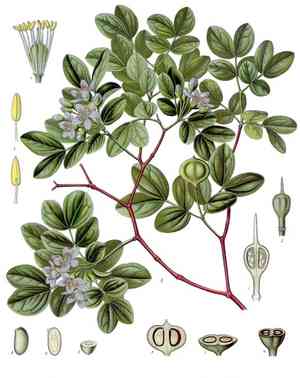
Roughbark lignum-vitae, a slow-developing hardwood, is celebrated for its compact wood and therapeutic attributes. Trimming ought to concentrate on excising deceased or ailing branches to preserve the plant's well-being and to sculpt juvenile trees into a robust framework. The most suitable time for pruning is in winter, when the plant is inactive, to lessen strain and the outflow of sap. Pruning roughbark lignum-vitae can improve air movement, stimulate fresh development, and guarantee an attractive appearance. Always employ sharp, sanitized implements to avert contamination.
What Are the Benefits of Pruning Roughbark Lignum-vitae?
What Are the Benefits of Pruning Roughbark Lignum-vitae?
Trimming roughbark lignum-vitae promotes robust development and maintains its desired form. Strategic cuts enhance light penetration and air movement, boosting roughbark lignum-vitae's overall health and structure.
What Is the Best Time for Pruning Roughbark Lignum-vitae?
What Is the Best Time for Pruning Roughbark Lignum-vitae?
Pruning roughbark lignum-vitae from late winter to early spring is optimal as the plant is dormant, minimizing stress and disease risk. This timing also avoids removing new buds vital for the upcoming growth season. Additionally, the absence of leaves provides a clearer view of the plant's structure, allowing for more effective pruning.
What Tools Do I Need to Prune Roughbark Lignum-vitae?
Bypass Pruners
Perfect for making clean cuts on smaller branches of roughbark lignum-vitae, offering precise control and minimal harm to plant tissues.
Loppers
Suitable for severing thicker branches that bypass pruners cannot manage. They provide leverage and reach, essential for maintaining roughbark lignum-vitae's shape and health.
Pruning Saw
Required for removing the largest branches. A pruning saw can handle the dense wood of roughbark lignum-vitae, making it crucial for shaping and managing mature plants.
Hand Shears
Good for shaping and trimming small twigs and foliage to maintain roughbark lignum-vitae's desired appearance.
Pole Pruner
Useful for reaching higher branches without a ladder, ensuring safety when pruning roughbark lignum-vitae if it grows to a significant height.
How to Prune Roughbark Lignum-vitae
Clean Tools
Before starting, ensure all pruning tools are clean and sharp to prevent disease spread and make precise cuts on roughbark lignum-vitae.
Identify
Carefully inspect roughbark lignum-vitae to locate dead or diseased branches, identifiable by discoloration, brittleness, or other signs of decay.
Cut Dead Branches
Use pruning shears or a saw to remove dead branches by cutting at a slight angle just above a healthy branch or bud, ensuring not to damage roughbark lignum-vitae's surrounding bark.
Remove Diseased Branches
Thoroughly prune diseased branches by cutting them back to healthy tissue, well past the visible infection point, to prevent further spread on roughbark lignum-vitae.
Disinfect
After each cut, especially when removing diseased material, sanitize pruning tools to prevent transferring pathogens to healthy parts of roughbark lignum-vitae.
Common Pruning Mistakes with Roughbark Lignum-vitae
Over Pruning
Excessive pruning can stress roughbark lignum-vitae, potentially leading to weak growth or reduced blooms. Generally, removing more than one-third of the plant at once should be avoided to prevent shock.
Improper Cut Location
Cutting too far from a bud can result in dead stubs, while cutting too close can hinder bud growth. Cuts should be made just above the bud, angled away from it.
Using Dull Tools
Dull pruning tools can harm roughbark lignum-vitae's branches, causing tears or uneven cuts that can invite disease and pests. Always use sharp, clean pruning shears for clean cuts.
Neglecting Disease Prevention
Not sterilizing tools between uses can spread disease from infected plants to healthy ones, including roughbark lignum-vitae. Sterilizing pruning tools before and after use helps prevent disease spread.
Pruning To Shape Early
Shaping roughbark lignum-vitae before it is mature can impede its natural growth patterns. Allow the plant to establish itself before attempting to shape it.
Common Pruning Tips for Roughbark Lignum-vitae
Selective Pruning
Focus on removing dead, diseased, or crossing branches to maintain health and appearance. Selective pruning allows roughbark lignum-vitae to concentrate its energy on producing vigorous growth and blooms.
Timing Cuts Correctly
Though the best seasons are not to be mentioned, ensuring that cuts are made during the correct time of day can affect the plant's recovery. Ideally, pruning should occur when the plant is not in direct sunlight to reduce stress.
Encouraging Air Flow
Thinning dense branches promotes better air circulation throughout roughbark lignum-vitae, reducing the risk of fungal diseases. This involves cutting away some of the inner branches to open up the plant's structure.
Rejuvenation Pruning
If roughbark lignum-vitae has become overgrown or is significantly declining in vigor, gradual rejuvenation pruning may be necessary. Remove older stems over a period of a few years to renew the plant without causing undue stress.
Maintenance After Pruning
After pruning, ensure that roughbark lignum-vitae receives adequate water and nutrition to support healing and new growth. A light application of balanced fertilizer can aid recovery and plant resilience.



