How to Propagate Roughbark lignum-vitae?
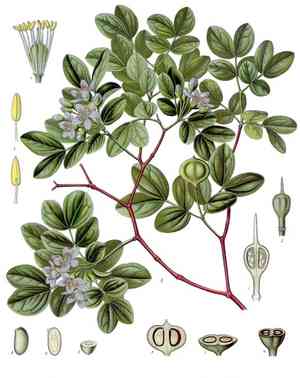
Roughbark lignum-vitae, a tropical evergreen tree valued for its robust timber and therapeutic attributes, can be multiplied through cuttings. To achieve successful root development, obtain semi-hardwood sections from vigorous parent specimens. Apply rooting stimulant to the cuttings to foster development and embed them in a substrate that drains effectively, ensuring elevated humidity and diffused light until roots emerge. Consistent spraying aids in preserving the required moisture levels without inducing decay. Once established, transfer the rooted cuttings into separate containers and progressively introduce them to external conditions.
Optimal Period for Roughbark Lignum-vitae Propagation
Propagation Type
Cutting
Propagation Season
Autumn,Winter
Tools Required for Roughbark Lignum-vitae Propagation
Sharp Pruning Shears
These shears are essential for making clean, precise cuts on the semi-hardwood or hardwood stems of roughbark lignum-vitae. A clean cut helps prevent infection and promotes better healing, crucial for successful rooting.
Rooting Hormone
This chemical compound encourages root development from roughbark lignum-vitae cuttings. Applying rooting hormone to the fresh cut can significantly boost the likelihood of successful propagation by fostering faster and stronger root growth.
Sterile Potting Mix
A light, well-draining, and sterile potting mix provides roughbark lignum-vitae cuttings with an ideal environment for root growth, free from soil-borne diseases. This mix often contains perlite, vermiculite, and peat moss, which aid in moisture retention and aeration.
Humidity Dome
By maintaining a high humidity level around roughbark lignum-vitae cuttings, a humidity dome helps prevent moisture loss through the leaves. This is particularly important during the initial stages of root development when the cutting has not yet established its own root system for water absorption.
Heat Mat
This tool is especially beneficial for enhancing root growth in roughbark lignum-vitae cuttings by providing consistent and appropriate bottom heat. This warmth is vital for stimulating root development during colder seasons or in cooler climates.
Method for Propagating Roughbark Lignum-vitae
Propagation Type
Moderately Difficult
Post-Propagation Care for Roughbark Lignum-vitae
Post-Propagation Care for Roughbark Lignum-vitae
Once roughbark lignum-vitae cuttings have rooted and show new growth, gradually introduce them to less humid conditions. Transplant them into larger containers with a mix suitable for mature roughbark lignum-vitae, featuring well-draining soil enriched with organic matter. Maintain consistent watering, allowing the soil to dry slightly between waterings, and provide full to partial sunlight. Fertilize sparingly during the growing season and prune as needed to maintain the plant's shape and health.
Common Errors to Avoid When Propagating Roughbark Lignum-vitae
Overwatering
Excessive watering can lead to root rot, which is detrimental to roughbark lignum-vitae's health. Roughbark lignum-vitae requires well-drained soil to prevent water accumulation around its roots.
Using unsterilized tools
Propagating with unsterilized tools can introduce diseases to roughbark lignum-vitae. Sterilization is crucial to prevent the spread of pathogens that can impede growth or kill the plant.
Neglecting temperature requirements
Ignoring the preferred temperature range for roughbark lignum-vitae can cause stress, making it less likely to establish and grow successfully. Roughbark lignum-vitae thrives in warm environments.
Incorrect soil mix
Using an unsuitable soil mix that doesn't mimic roughbark lignum-vitae's natural habitat can result in poor root development. The soil should be sandy and well-aerated to match roughbark lignum-vitae's native growing conditions.
Planting seeds too deep
Sowing seeds too deeply may hinder their germination. Roughbark lignum-vitae seeds need to be planted at an appropriate depth to ensure sufficient light exposure and successful germination.
Advice for Propagating Roughbark Lignum-vitae
Scarification
Employ scarification to encourage germination, as roughbark lignum-vitae seeds possess a hard coat. Gently nicking or sanding the seed coat allows water to penetrate and initiate the germination process.
Maintain proper humidity
Keeping a consistent humidity level is important for roughbark lignum-vitae cuttings to root successfully. Use a humidity dome or mist the cuttings regularly to maintain moisture without overwatering.
Use rooting hormone
Applying rooting hormone to the base of roughbark lignum-vitae cuttings can enhance root development and increase the chances of successful propagation.
Provide ample light
Ensuring roughbark lignum-vitae receives plenty of indirect light is vital for its growth. Direct sunlight can be too intense, so aim for bright but filtered light conditions.



