How to Transplant Natal bottlebrush?
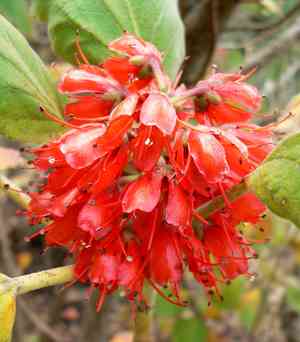
Natal bottlebrush flourishes when relocated during the mild periods of spring, benefiting from agreeable temperatures and ample hydration. Choose a location that receives full sun or partial shade, featuring soil that drains effectively. Supplying these optimal circumstances guarantees vigorous development and successful establishment.
What Preparations are Needed Before Transplanting Natal Bottlebrush?
What is the Ideal Time for Transplanting Natal Bottlebrush?
The best period for relocating natal bottlebrush is from early to late spring, as the plant thrives with mild temperatures and increased precipitation. Moving it during this time ensures strong root development before the intense summer heat. This timing allows natal bottlebrush to adapt and flourish, maximizing its chances for a successful and healthy transition.
How Much Space Should You Leave Between Natal Bottlebrush Plants?
When moving natal bottlebrush, ensure a gap of 8-10 feet (2.4-3 meters) between each plant. This provides ample room for proper growth and development.
What is the Best Soil Mix for Natal Bottlebrush Transplanting?
Prepare a soil mixture that drains well for natal bottlebrush, incorporating compost for enrichment. Applying a general base fertilizer before planting can offer a strong start, ensuring the soil is fertile and nutrient-rich.
Where Should You Relocate Your Natal Bottlebrush?
Select a sunny location for natal bottlebrush as it flourishes in full sunlight. Ensure the spot receives at least 6-8 hours of daily sun to encourage vigorous growth and flowering.
What Equipments Should You Prepare Before Transplantation Natal Bottlebrush?
Gardening Gloves
To safeguard your hands while handling soil and the plant.
Spade or Shovel
For excavating the plant and preparing the new planting site.
Garden Trowel
Useful for minor adjustments and managing the root ball.
Watering Can or Hose
To hydrate the plant before and after relocation.
Compost or Organic Mulch
To enrich the soil in the new hole and around the plant's base.
Pruning Shears
For trimming any damaged roots or branches.
Bucket or Wheelbarrow
To transport the plant if it is large.
How Do You Remove Natal Bottlebrush from the Soil?
How Do You Remove Natal Bottlebrush from the Soil?
From Ground: First, moisten the natal bottlebrush plant's soil. Then, dig a wide trench around the plant with a shovel or spade, keeping the root ball intact. Carefully work the spade beneath the root ball to lift the plant from its original spot.From Pot: Water the natal bottlebrush plant and let it sit for a few minutes to loosen the soil. Gently tap the pot's sides and bottom. Carefully tilt the pot and ease the plant out, supporting the root ball with your hand.From Seedling Tray: Water the natal bottlebrush plant and let it sit for a few minutes. Use a garden trowel or your fingers to gently lift the seedlings from the tray, being careful not to harm the roots.
Step-by-Step Guide for Transplanting Natal Bottlebrush
Site Preparation
Ensure the new planting area has been readied with the correct soil type and sufficient room for the natal bottlebrush plant to reach its mature size.
Digging the Hole
Excavate a hole that is twice as wide but the same depth as the natal bottlebrush's root ball. This allows the roots to spread out.
Plant Placement
Position the natal bottlebrush in the hole, ensuring it is upright and the root ball is level with the surrounding soil. Adjust the hole's depth if necessary.
Backfilling
Carefully refill the hole with soil, gently firming it around the root ball to remove any air pockets.
Watering Thoroughly
Water the plant thoroughly immediately after planting to help settle the soil and eliminate air pockets.
Adding Mulch
Apply a layer of organic mulch around the base of the natal bottlebrush, but keep it away from the stem to prevent rot.
How Do You Care For Natal Bottlebrush After Transplanting?
Watering
Maintain consistent moisture in the soil around the natal bottlebrush, avoiding sogginess, for the initial weeks post-transplant to aid in strong root establishment.
Monitoring
Regularly inspect the natal bottlebrush plant for signs of transplant shock, such as wilting or yellowing leaves, and take corrective measures if needed.
Support
If your natal bottlebrush plant is tall or top-heavy, consider staking it to provide support while it re-establishes its root system.
Pruning
Remove any damaged or dead branches to help the plant direct energy towards developing new roots.
Troubleshooting Common Issues with Natal Bottlebrush Transplantation.
When is the best time to transplant natal bottlebrush?
Relocate natal bottlebrush in early to late spring for optimal growth and reduced stress.
How much spacing do natal bottlebrush plants need?
Natal bottlebrush plants require 8 to 10 feet (2.4 to 3 meters) of space between them for ideal growth.
How do I prepare the soil for transplanting natal bottlebrush?
Ensure the soil drains well, is enriched with compost, and has a pH between 6.0 and 7.5.
What should I do if natal bottlebrush leaves turn yellow after transplanting?
Check for watering problems; avoid overwatering and ensure proper drainage to prevent root rot.
How deep should the hole be for transplanting natal bottlebrush?
Dig a hole twice the width and equal depth of the root ball to encourage root development.
Do natal bottlebrush plants need pruning before transplanting?
Prune any dead or damaged branches prior to transplanting to lessen stress and promote healthy growth.
How can I protect natal bottlebrush during transplantation?
Water the plant thoroughly before transplanting and initially shield it from strong winds and direct sun.
Can I transplant natal bottlebrush in the summer?
Transplanting in summer is not advised for natal bottlebrush due to increased stress and potential heat damage.
Should I fertilize natal bottlebrush immediately after transplanting?
Wait a few weeks before fertilizing to allow natal bottlebrush to establish roots; use a balanced fertilizer.
What do I do if natal bottlebrush shows wilting after transplant?
Ensure sufficient soil moisture but avoid waterlogging, and provide partial shade until the plant recovers.



