How to Prune Natal bottlebrush?
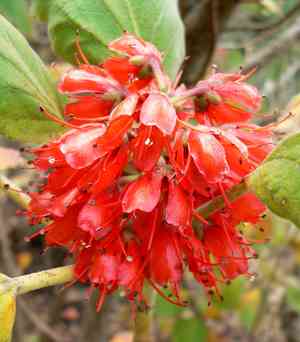
The Natal bottlebrush, recognized for its vibrant red, bottlebrush-shaped blossoms and thick leaves, thrives with consistent trimming. The most effective periods for pruning are in early spring or late winter, prior to the commencement of the new growth cycle. Eliminate any deceased or impaired branches to enhance air movement and sculpt the plant. Gentle trimming stimulates denser foliage and amplifies flowering. Regular pruning fosters more vigorous plants and abundant blooms, serving both decorative and practical purposes.
Advantages of Trimming Natal Bottlebrush
Advantages of Trimming Natal Bottlebrush
Trimming natal bottlebrush encourages robust development, maintains its form, boosts blooming, and enhances its overall vitality. Regular trimming of natal bottlebrush helps manage its size and promotes a more visually appealing look, while also lowering the risk of pests and diseases.
Optimal Period for Pruning Natal Bottlebrush
Optimal Period for Pruning Natal Bottlebrush
Pruning natal bottlebrush in early spring or late winter is ideal as this aligns with the plant's dormant phase, minimizing stress and disease risk. Pruning before the new growth cycle ensures the plant has ample time to recover and fosters healthier, more vigorous growth. Additionally, this timing avoids disrupting the flowering stage, allowing natal bottlebrush to produce its distinct blooms unhindered.
Tools Required for Pruning Natal Bottlebrush
Bypass Pruners
Perfect for precise cuts on smaller branches and stems up to 3/4 inch. They deliver a clean cut, which is beneficial for the plant.
Lopping Shears
Essential for cutting thicker branches, typically between 1 and 2 inches in diameter. They provide greater leverage for tougher cuts.
Pruning Saw
Suitable for cutting larger branches that loppers cannot manage. A pruning saw ensures smooth and clean cuts on branches over 2 inches.
Long-Reach Pruners
Useful for trimming higher branches without needing a ladder. They offer safety and ease when dealing with tall growth.
Anvil Pruners
Can be used for cutting dead wood and older, tougher stems as they provide more force with each cut.
How to Prune Natal Bottlebrush
Inspect
Examine natal bottlebrush for dead and diseased branches, identifying areas that require attention.
Clean tools
Ensure all pruning tools are sanitized to prevent the spread of disease.
Cut dead branches
Remove any dead branches by cutting back to healthy tissue, being careful not to harm surrounding areas.
Remove diseased branches
Cut out diseased branches, making sure to dispose of them away from natal bottlebrush to prevent re-infection.
Check again
Re-inspect the plant to confirm all dead and diseased branches have been properly removed. Dispose of all cut branches carefully.
Common Pruning Errors with Natal Bottlebrush
Over-pruning
Removes too much of the plant's foliage, stressing natal bottlebrush and potentially hindering its ability to flower properly.
Improper technique
Using dull or dirty tools can damage plant tissue, making natal bottlebrush susceptible to disease and slower to heal.
Poor timing
Pruning at the wrong time can remove flower buds and reduce the plant's ability to bloom effectively.
Incorrect cuts
Making cuts too close to the main stem or leaving long stubs can harm the plant's structure and health.
General Pruning Advice for Natal Bottlebrush
Use sharp, clean tools
Always use well-maintained tools to make clean cuts, which allows natal bottlebrush to heal faster and reduces the risk of infections.
Remove dead or damaged wood
Focus on cutting out any dead, diseased, or damaged branches first to maintain the plant's health.
Thin out crowded areas
Ensure proper air circulation by thinning out dense sections, which helps prevent diseases and promotes healthy growth.
Make proper cuts
Cut just above a bud or a branch junction without leaving stubs to encourage proper healing and a healthier structure.
Prune lightly and regularly
Routine, light pruning is better than heavy, infrequent pruning as it promotes consistent growth and flowering.



