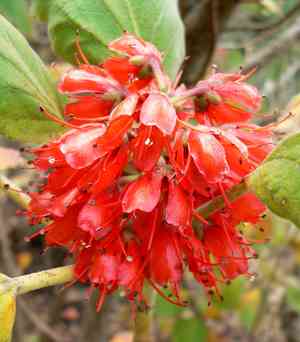
Natal bottlebrush (Greyia radlkoferi)
Also known as: Woolly bottlebrush, Bottlebrush greyia
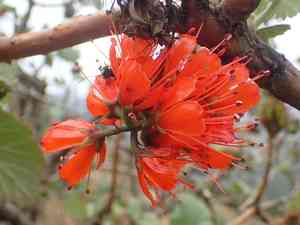
The Natal Bottlebrush is a remarkable deciduous tree indigenous to southern African areas. It boasts a rounded crown adorned with shimmering silver-grey foliage. In the spring, it displays vibrant red, bottlebrush-shaped flowers that draw in pollinators. This tree flourishes in well-drained soil and is drought-tolerant, making it well-suited to savanna environments.
In This Article
Attributes of Natal bottlebrush
Lifespan
Perennial
Plant Type
Tree
Plant Height
2-5 meters
Spread
1-3 meters
Leaf Color
Green
Flower Size
5-10 cm
Flower Color
Red
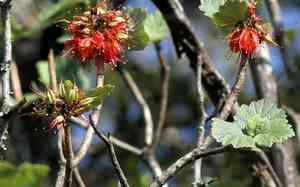
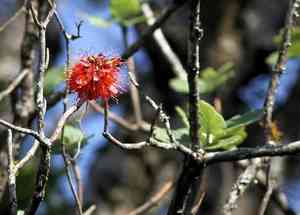
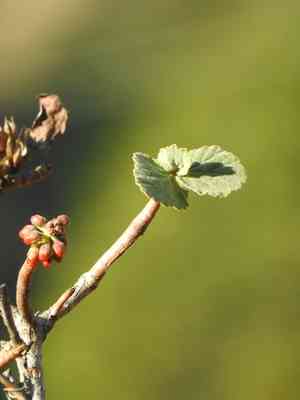
Images of Natal bottlebrush
Quickly Identify Natal bottlebrush
1
Look for the characteristic red, bottlebrush-shaped flowers and large, ovate leaves with a rough, woolly texture.
Scientific Classification of Natal bottlebrush
Phylum
Vascular plants
Class
Dicotyledons
Order
Geraniales
Family
Melianthus
Genus
Greyia
Species
Natal bottlebrush
Planting and Growing of Natal bottlebrush
Care Difficulty
Hard
Watering Schedule
Every 3 days
Sunlight Requirements
Full sun
Sunshine Duration
6-12 hours
Ideal Temperature
60-75℉
Soil Type
Potting Mix, Peat Mix
Soil pH
6.5-7.5
Fertilizer Type
Balanced
Pruning Season
Spring, Summer
Pruning Area
Branches, Leaves
Pruning Frequency
2 times a year
Repotting Season
Spring
Pot Type
Plastic, Ceramic
 How to Water Natal bottlebrush?
When watering Greyia radlkoferi, ensure the soil is evenly moistened, but avoid soaking it completely. Use around 500 ml of water per session to keep the balance between drought and oversaturation.
What are the symptoms of an underwatered Natal bottlebrush?
›
What should I do if my Natal bottlebrush is not getting enough water?
›
What are the symptoms of an overwatered Natal bottlebrush?
›
How to save an overwatered Natal bottlebrush?
›
 What Are the Sunlight Requirements for Natal bottlebrush?
The ideal light range for Greyia radlkoferi is partial to full sun. Proper lighting fosters strong growth, healthy development, and vibrant blooming. The plant derives energy for photosynthesis essential for producing vibrant flowers and maintaining robust foliage.
What is the ideal light condition for Greyia radlkoferi?
›
What solution can help achieve ideal lighting?
›
What benefits does Greyia radlkoferi gain from ideal lighting?
›
 What Is the Ideal Temperature Range for Natal bottlebrush?
The ideal temperature range for Greyia radlkoferi is between 60°F and 75°F. These temperatures ensure optimal growth and development by providing suitable warmth without stress. Maintaining these temperatures helps support physiological activities such as photosynthesis and nutrient uptake.
 What Soil is Best for Natal bottlebrush?
Greyia radlkoferi thrives in well-drained soil that prevents waterlogging, which can cause root rot and other fungal diseases. Adequate drainage ensures that the plant's roots receive sufficient air and nutrients, promoting healthy growth and vibrant blooms. The plant benefits from a nutrient-rich soil composition that supports its robust growth. Loamy soil with organic matter provides essential nutrients, enhancing the Greyia radlkoferi's ability to develop strong branches and lush foliage. While drainage is crucial, the soil should also retain enough moisture to sustain the plant during dry spells. Balanced moisture levels are key for continuous growth and ensure the plant does not suffer from drought stress.
 How to Fertilize Natal bottlebrush?
For Greyia radlkoferi, the appropriate amount of fertilizer depends on its growth stage and environmental conditions. During the growing season, apply a balanced liquid fertilizer diluted to half strength every two weeks. Meanwhile, a slow-release fertilizer should be integrated into the soil three times a year, with each application at the beginning of spring, early summer, and fall. Be mindful of not over-fertilizing, as this can damage the plant's roots and overall vitality.
 How to Prune Natal bottlebrush?
Begin by analyzing the overall growth habit of Greyia radlkoferi. Use clean, sharp pruning shears to remove any dead or damaged branches. Focus on shaping the shrub into a balanced form by cutting back overly vigorous shoots. Pruning just after the flowering season can boost the next blooming cycle. Trim off spent flowers and look out for shoots that can potentially obstruct light to inner branches, thus encouraging more blooms in the next season.
More About Pruning Techniques→
 How to Propagate Natal bottlebrush plant?
1
Start by selecting healthy seeds from a mature Greyia radlkoferi plant. Clean the seeds gently under running water to remove any pulp. It's recommended to soak the seeds in warm water for 24 hours to facilitate germination.
2
Obtain a cutting from a healthy Greyia radlkoferi plant. The cutting should be approximately 4-6 inches long and taken from a non-flowering shoot. Remove the lower leaves and dip the cut end in rooting hormone powder to encourage root growth.
3
Prepare the propagation medium by mixing equal parts of peat moss and perlite for good drainage and aeration. Plant the seeds or cuttings in the medium, ensuring adequate space between them. Water gently but thoroughly to keep the medium moist.
 How to Repot Natal bottlebrush plant?
1
Greyia radlkoferi should be repotted when its roots start to outgrow the current pot, indicated by roots poking through drainage holes or a noticeable slowdown in growth. Repotting in Spring or Summer provides optimum conditions for recovery, as the plant will be actively growing.
2
Select a pot that is slightly larger than the current one, but not excessively so, to prevent overwatering. Ensure it has sufficient drainage holes to allow excess moisture to escape, aiding in root health and aeration.
3
Opt for a well-draining loamy mix, comprising a blend of sand, silt, and clay. This type of soil provides a balance of moisture retention and drainage, ensuring the delicate roots of the Greyia radlkoferi are neither waterlogged nor dried out.



