How to Transplant Velvet raisin?
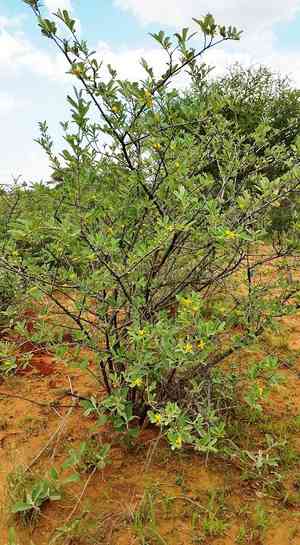
The ideal window for relocating velvet raisin spans from early spring through late spring, providing excellent conditions for development. Select a location that receives ample sunlight or some shade, along with soil that drains effectively, to facilitate a seamless adjustment.
What Preparations are Needed Before Transplanting Velvet Raisin?
What is the Ideal Time for Transplanting Velvet Raisin?
The best time to move velvet raisin is from the beginning to the end of spring. This period ensures the plant benefits from mild temperatures and sufficient rainfall, aiding in root development. Transplanting at this time maximizes growth potential, reduces transplant shock, and utilizes the upcoming growing season to strengthen velvet raisin's growth.
How Much Space Should You Leave Between Velvet Raisin Plants?
When relocating velvet raisin, ensure each plant is spaced approximately 5-6.5 feet (1.5-2 meters) apart. This provides ample room for growth and development without overcrowding.
What is the Best Soil Mix for Velvet Raisin Transplanting?
Prepare well-draining soil enriched with organic compost for velvet raisin. A sandy loam soil type is most suitable, promoting good root aeration and preventing waterlogging. Incorporating a balanced base fertilizer, such as a 10-10-10 NPK formula, can give the plants a strong start.
Where Should You Relocate Your Velvet Raisin?
Select a sunny location in your garden for transplanting velvet raisin. They thrive best in full sun, requiring at least 6 hours of direct sunlight daily. Adequate light will support vigorous growth and fruit production.
What Equipments Should You Prepare Before Transplantation Velvet Raisin?
Gardening Gloves
To shield your hands while handling soil and plants.
Shovel or Spade
For excavating around the plant and the new planting site.
Hand Trowel
Assists in loosening soil and lifting the plant.
Watering Can
For hydrating the plant before and after relocation.
Wheelbarrow
Useful for moving the plant, especially if it's large or heavy.
Pruners
To trim any damaged roots or branches.
Mulch
To cover the soil after transplanting and retain moisture.
How Do You Remove Velvet Raisin from the Soil?
How Do You Remove Velvet Raisin from the Soil?
From Ground: First, hydrate the velvet raisin plant to moisten the soil. Next, dig a wide trench around the plant using a shovel or spade, ensuring the plant's root ball remains intact. Carefully work the spade beneath the root ball to lift the plant from its original spot.From Pot: Water the velvet raisin plant to make the soil easier to manage. Gently tap around the pot to loosen the soil. Hold the plant at its base and carefully invert it, allowing the plant and soil to slide out. If it resists, gently squeeze and tap the pot until it releases.From Seedling Tray: Ensure the soil in the tray is damp. Carefully loosen the soil around the seedling with a hand trowel. Support the plant by its leaves (not the stem) and gently lift it out, making sure the root system stays intact.
Step-by-Step Guide for Transplanting Velvet Raisin
Hole Preparation
Dig a hole in the new spot that is twice as wide and the same depth as the velvet raisin's root ball.
Soil Adjustment
Form a small mound of soil at the bottom of the hole to help support the plant and spread its roots evenly.
Plant Placement
Gently place the velvet raisin in the hole, ensuring it is at the same depth as it was in its previous location or container. Backfill the hole with soil, lightly tamping it down to eliminate air pockets.
Watering
Thoroughly water the plant after planting to settle the soil around the roots. Ensure the water penetrates deep into the soil to encourage root growth.
Mulching
Apply a layer of mulch around the base of the plant. This helps retain moisture, regulate soil temperature, and suppress weeds.
How Do You Care For Velvet Raisin After Transplanting?
Watering
Keep the soil around the velvet raisin consistently moist, but not waterlogged, for the initial weeks after transplanting to help establish strong roots.
Monitoring
Observe the plant for signs of stress, such as wilting or yellowing leaves, and adjust care as necessary.
Pruning
Trim any damaged or excessively long roots before planting to promote healthy growth.
Shading
Provide temporary shade if the weather is particularly hot or if the plant shows signs of transplant shock. Use a shade cloth or create a simple barrier to filter sunlight.
Mulching
Regularly check the mulch layer and replenish it as needed to maintain a 2-3 inch layer around the plant base.
Troubleshooting Common Issues with Velvet Raisin Transplantation.
When is the best time to transplant velvet raisin?
Velvet raisin should be transplanted from early spring to late spring for optimal growth.
What spacing is ideal for velvet raisin when transplanting?
Velvet raisin should be spaced 1.5 to 2 meters (5 to 6.5 feet) apart for proper growth.
How deep should the hole be for planting velvet raisin?
Dig a hole twice as wide and as deep as the root ball for velvet raisin.
Should I water velvet raisin immediately after transplanting?
Yes, water velvet raisin thoroughly after transplanting to help establish roots quickly.
How do I prepare the soil for transplanting velvet raisin?
Enrich the soil with compost and ensure good drainage before transplanting velvet raisin.
What should I do if velvet raisin exhibits transplant shock?
Keep velvet raisin well-watered, avoid fertilizing for a month, and provide partial shade if needed.
Is it necessary to prune velvet raisin before transplanting?
Prune any damaged or dead roots and branches before transplanting velvet raisin to promote healthy growth.
How can I protect velvet raisin from pests after transplanting?
Use organic mulch and keep the area weed-free to discourage pests around velvet raisin.
What type of mulch is best for velvet raisin after transplanting?
Apply organic mulch like wood chips or straw around velvet raisin to retain moisture and regulate temperature.
How often should I water velvet raisin after transplanting?
Water velvet raisin regularly, keeping the soil consistently moist but not waterlogged, especially in the first few weeks.



