How to Prune Velvet raisin?
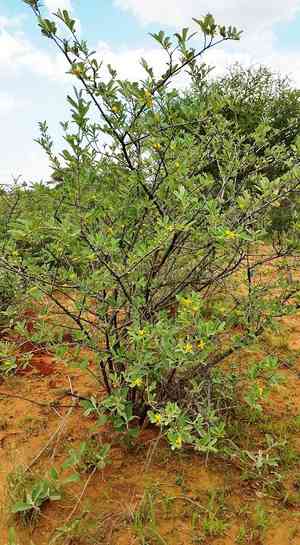
Grewia flava, recognized for its thick, bushy habit and golden blossoms, thrives with trimming in the initial part of spring. Essential methods involve excising deceased or compromised limbs, reducing density to enhance air movement, and sculpting to preserve the intended shape. Perform pruning right before the active growth period to stimulate robust new development. This practice improves the plant's well-being, increases bloom output, and sustains a controllable dimension. Adhere to these directives for a more vibrant, visually appealing Grewia flava.
What Are the Benefits of Pruning Velvet Raisin?
What Are the Benefits of Pruning Velvet Raisin?
Pruning velvet raisin encourages robust development and helps maintain its form. It aids in size management, boosts blooming and fruit production, and lessens issues with pests and diseases, keeping the plant vibrant and visually appealing.
What Is the Best Time for Pruning Velvet Raisin?
What Is the Best Time for Pruning Velvet Raisin?
Trimming velvet raisin in early spring is optimal as it aligns with the plant's growth cycle, which typically becomes active then. By pruning in early spring, gardeners avoid disrupting the plant's flowering and fruiting periods, which often occur later in the growing season. Additionally, pruning before active growth allows for faster wound healing and reduces disease and pest risks, ensuring the plant's overall health and vigor. This timing also helps shape the plant more effectively as it begins to grow, promoting a well-balanced structure.
What Tools Do I Need to Prune Velvet Raisin?
Hand pruners
Perfect for making precise cuts on smaller branches and twigs to preserve the plant's structure without causing harm.
Loppers
Useful for cutting through thicker branches. These offer greater leverage and reach compared to hand pruners.
Pruning saw
Crucial for removing larger, older branches, ensuring clean cuts that minimize the risk of disease entry.
Bypass pruners
Preferred for most trimming tasks as they make accurate cuts that promote quicker healing.
How to Prune Velvet Raisin
Inspect
Carefully examine velvet raisin to identify any diseased leaves, withered leaves, dead branches, and diseased branches.
Sanitize
Sterilize pruning shears or scissors with a 70% isopropyl alcohol solution to prevent the spread of diseases.
Remove Diseased Leaves
Trim away any diseased leaves at the base of the petiole to prevent the spread of pathogens.
Remove Withered Leaves
Cut off all withered leaves, snipping close to the stem without damaging the healthy parts of velvet raisin.
Remove Dead Diseased Branches
Prune dead and diseased branches back to healthy wood or main stem, making clean cuts just above a bud or secondary branch for optimal recovery.
Common Pruning Mistakes with Velvet Raisin
Over-pruning
Removing too much foliage can stress velvet raisin and hinder its growth and flowering potential.
Incorrect technique
Using dull or unclean tools can damage the plant by causing ragged cuts or introducing diseases.
Pruning at the wrong nodes
Cutting back to inappropriate nodes or leaving stubs can lead to poor regrowth and an unattractive appearance.
Ignoring dead or diseased branches
Failure to remove dead, damaged, or diseased branches can cause the entire plant to suffer.
Common Pruning Tips for Velvet Raisin
Sanitize tools
Always sanitize pruning tools before and after use to prevent the spread of diseases.
Make clean cuts
Sharpen tools regularly to ensure clean cuts that heal quickly and reduce the risk of infection.
Prune selectively
Focus on removing only dead, damaged, or crossing branches to maintain a healthy and attractive shape without over-stressing the plant.
Consider the natural shape
Prune with the natural growth habit of velvet raisin in mind to maintain its structural integrity and aesthetics.



